
By L A Adithya
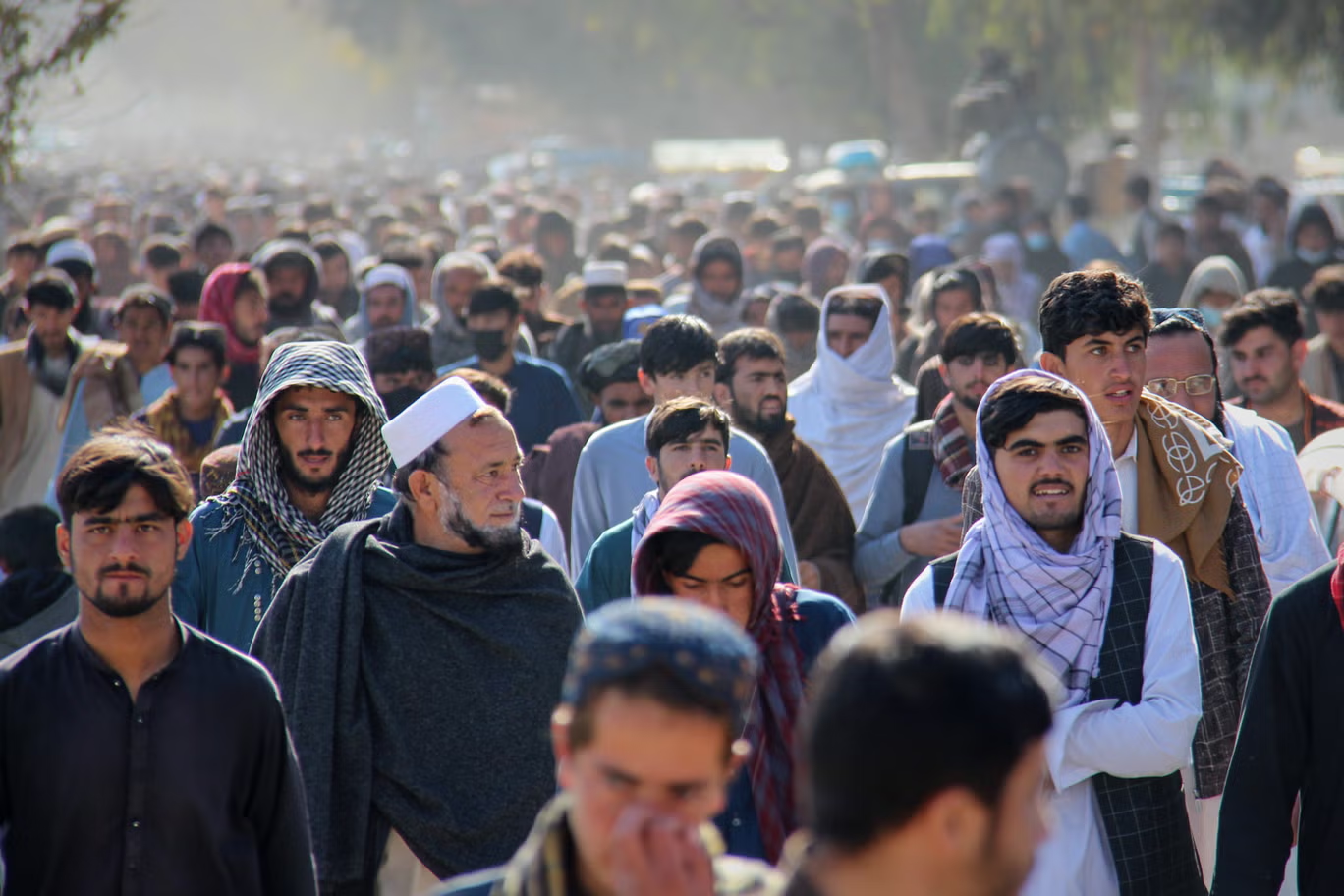
A 13-year-old boy publicly executes a man convicted of murdering 13 people, 9 of whom were children, in Afghanistan’s eastern province of Khost on Tuesday, December 2. The live public execution was attended by around 80000 locals, which unfolded at the largest stadium in Khost. The boy who pulled the trigger on the convicted man had lost his family to him.
Reportedly, authorities in the area urged everyone to gather around to witness the gruesome spectacle.
The man executed was identified as Mangal, who was supposedly from the province, and his execution marks the nation’s 11th judicial execution in 4 years, since the Taliban took over the government in 2021. The Afghanistan Supreme Court stated that the victims’ family was given an option of forgiveness and reconciliation, which they declined and chose the divine order of retaliation (Qisas). The boy was also asked if he preferred to pardon the convicted man, who in fact did not concur to it.
This incident attracted global condemnation and was deemed inhuman and cruel at the very least. The UN strongly spoke out against the unforgiving act of human rights violation. Several human rights organisations have accused the Taliban of lack of transparency and due process.
Moreover, the very fact that the current state of affairs in the nation does not paint a good picture to the world of it, where acts against human rights have been on an upward trajectory.
The Taliban looks to strengthen the implementation and following of the Islamic Sharia Law in the entirety of Afghanistan. The Afghan Supreme Court mentioned that at the end of the gathering, prayers were made for strengthening national security and for giving people access to their rights.
Human rights activists took to X and openly criticised and called out these violent acts of killings, involving a child of a tender age pulling the trigger in this case, further instating a warning to the world.