
By Smritika Banerjee
In a noteworthy political development following days of widespread unrest, Nepal’s Gen Z-led protest movement has put forward a historic and surprising candidate for interim leadership. The choice is Sushila Karki, former Chief Justice. The nation has been embroiled in violent protests which were initially sparked by a government ban on social media platforms, but quickly escalated into a broader expression of public outrage against deep-seated corruption, political stagnation, and nepotism. Prime Minister Khadga Prasad Oli’s resignation was the outcome of this protest which leaves a power vacuum that the youth movement is now attempting to fill.
At the Army headquarters in Kathmandu, protesters’ representatives met with military authorities to develop a strategy for transitional government. Some of them pushed for former Chief Justice Sushila Karki. Karki who was born in Biratnagar, graduated from Banaras Hindu University and Mahendra Morang Campus with degrees in law and political science. She started practicing law in 1979 and became the first female Chief Justice of Nepal in 2016.
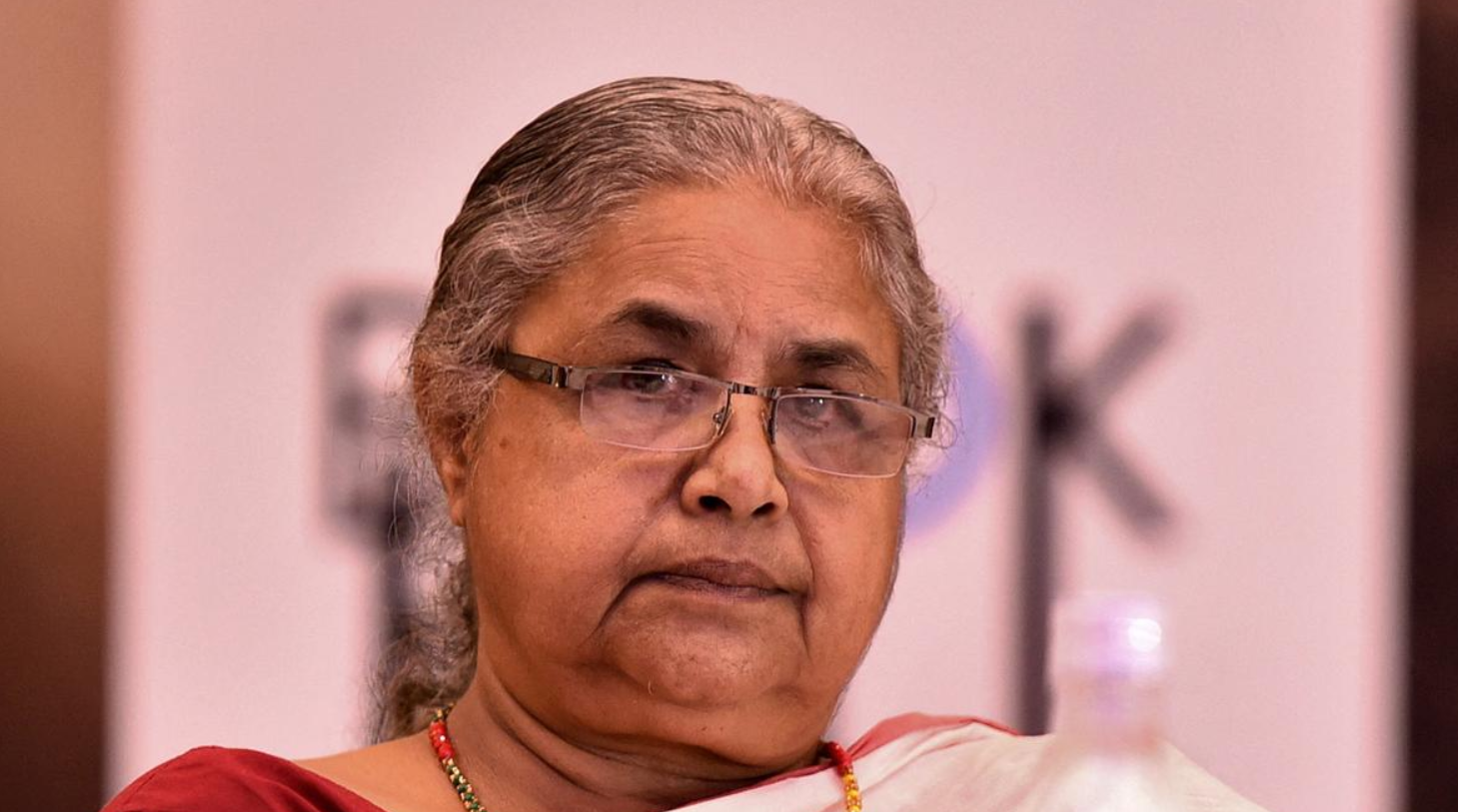
Sushila Karki, Nepal’s pioneering female Chief Justice, has emerged as the leading candidate for a transitional leadership role amid ongoing political upheaval. She gains recognition for her unwavering integrity and apolitical stance, Karki is widely respected as a credible and independent figure with qualities that set her apart from the entrenched political elites that many protesters oppose.
At the Army headquarters in Kathmandu, protesters’ representatives met with military authorities to develop a strategy for transitional government. Some of them pushed for former Chief Justice Sushila Karki. Karki, who was born in Biratnagar, graduated from Banaras Hindu University and Mahendra Morang Campus with degrees in law and political science. She started practicing law in 1979 and became the first female Chief Justice of Nepal in 2016.
A deep-rooted mistrust of mainstream political parties among Nepal’s youth, who are looking for leaders free from past controversies is a proof for her nomination. Reports suggest that Karki has expressed her willingness to undertake the role, with a clear focus on restoring stability, addressing the humanitarian and economic challenges that resulted from the protests, and overseeing new elections within a timeframe of six to twelve months.
Karki has emphasized that her role would completely be aimed at stabilizing the nation and facilitating a peaceful transfer of power to democratically elected representatives. Her involvement is seen as a strategic move to bridge the current political divide and restore public confidence in the country’s governance.