
By Nityanjali Bulsu
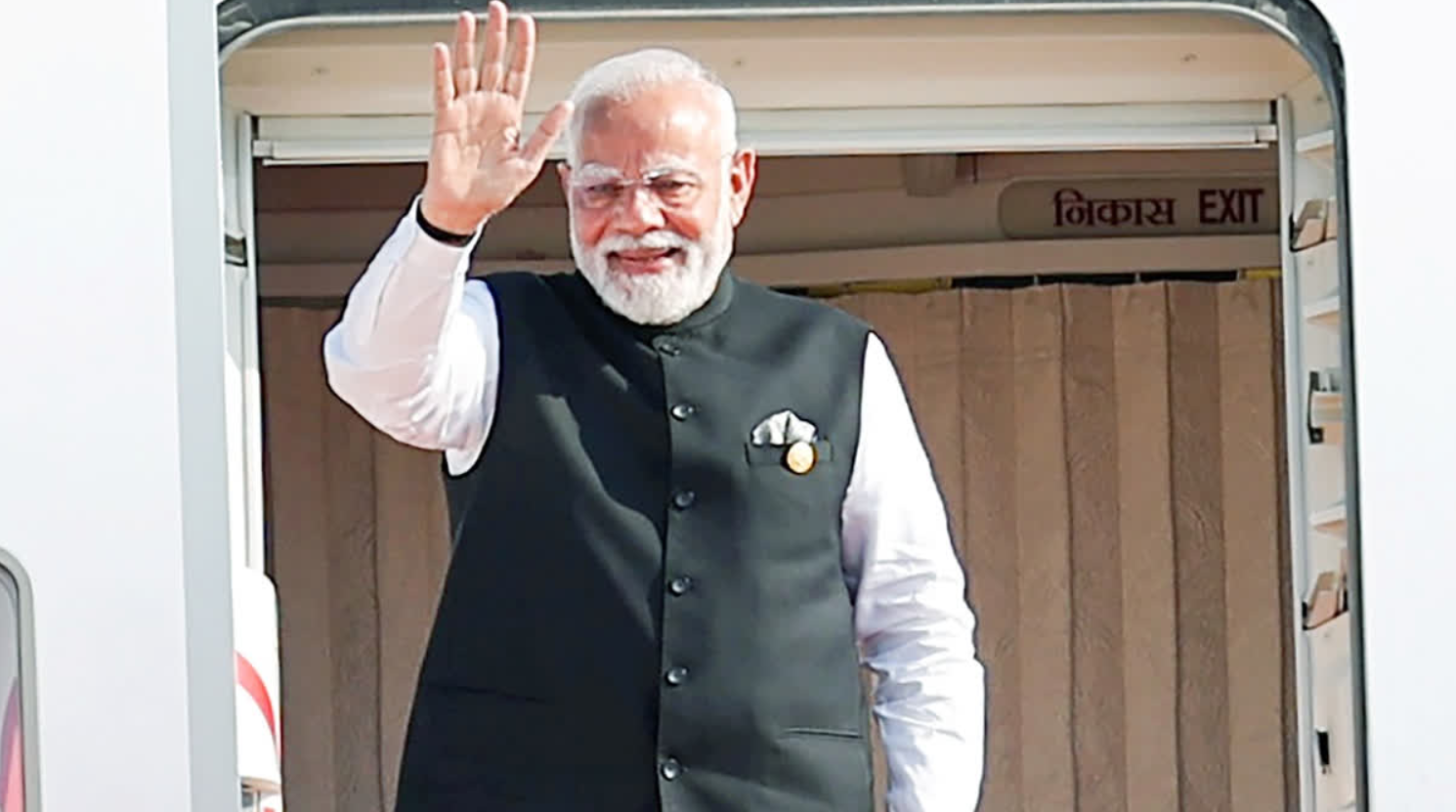
Officials in Aizwal, Mizoram, have said that Prime Minister Narendra Modi is likely to make a two-state visit to Mizoram and Manipur on 13th September, 2025. PM is expected to begin his trip in Mizoram to inaugurate the new Bairabi-Sairang railway line, according to the initial plan. This project has been said to be a significant change for the state, and has been expected to improve connectivity for the people in Aizwal, strengthen economic links with the rest of the Indian states and territories.
This would be PM’s first visit to the state after the ethnic issues that took place in the state in May 2023. However, the officials have clearly mentioned that they are still waiting for the final itinerary from the Prime Minister’s Office (PMO), whereas the Imphal authorities rejected the claim, stating the lack of confirmation of any such scheduled visit.
The Chief Secretary of Mizoram, Khilli Ram Meena, had a meeting with the various officials across departments and law enforcement agencies to ensure that the preparations are conducted smoothly. The discussions focused on security arrangements, traffic management, street decoration and reception plans as part of the preparations to receive the Prime Minister, according to an official statement. The meeting also looked into arrangements to allow greater participation by government employees, farmers, and students from local schools and colleges at the inaugural event held in Lammaul.
The Bairabi–Sairang railway line stretches 51.38 km and forms part of the Centre’s Act East Policy, which aims to boost infrastructure, enhance connectivity, and promote economic integration across the Northeast region. Once operational, the new railway link will directly connect Aizawl to the rest of India through Silchar in Assam, making travel easier and opening new opportunities for trade, tourism, and development. For Mizoram, officials and residents both see this as a project that could transform connectivity and livelihoods drastically in the upcoming years.