
By Ira Deshpande
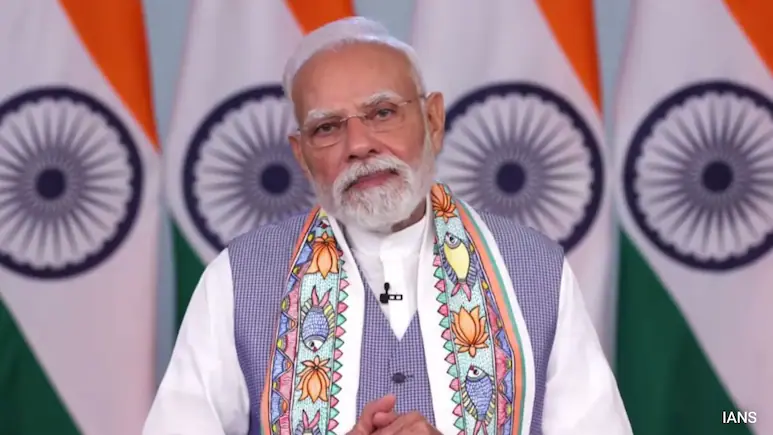
Prime Minister Narendra Modi on Saturday inaugurated BSNL’s “Swadeshi” 4G network in
Jharsuguda, Odisha. This launch came alongside BSNL’s silver jubilee celebrations. The
move marks a major push in the telecom sector to rely more on indigenous technology.
Officials called it a milestone toward bridging India’s digital divide and supporting rural
inclusion.
At the event, PM Modi also commissioned nearly 97,500 new mobile 4G towers built by
BSNL. Out of those, 92,600 are sites equipped with the new 4G tech. These towers were built
at a cost of about ₹37,000 crore using fully home-grown technology.
The new network is set to be cloud-based and designed to smoothly upgrade to 5G in the
future. It is also expected to draw in over 20 lakh (2 million) new users.
A key goal is to connect villages that had no mobile services before. Over 26,700 villages
will gain connectivity, including about 2,472 in Odisha. Many of these villages lie in remote,
border, or left-wing extremism affected areas.
An interesting feature is that many of the towers run on solar power. This step positions them
as part of India’s largest cluster of green telecom sites. During his address, Modi said that the
coming decade will shift Odisha toward greater prosperity. He promised that the state would
no longer lag behind.
He also announced that two semiconductor units have recently been approved for Odisha,
and a semiconductor park will be built.
Under a mission-mode project called “Digital Bharat Nidhi”, the government aims to bring
100 percent 4G saturation to villages. Around 29,000 to 30,000 villages are part of this push.
In summary, this new initiative will combine cutting-edge, home-grown tech with strong rural
focus, sustainable infrastructure, and plans for future upgradability. It’s predicted to be a bold
step toward making digital access more inclusive and self-reliant.