
By Disha Gupta
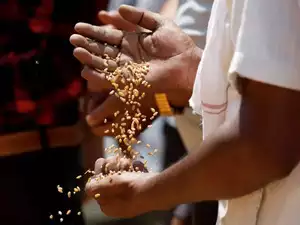
This month, India is seeing more intense heat and very little rainfall, threatening the country’s wheat harvest and increasing the likelihood that the government may reduce or abolish an import tax on the grain.
The India Meteorological Department reports that since the start of the year, rainfall in the northwest of the country, which is the wheat-growing belt, has been about 80% below average. The most populated nation in the globe had its third-warmest January since 1901 last month.
According to Donald Keeney, a senior meteorologist with commercial forecaster Maxar Technologies Inc., “the forecast shows continued warmer and drier conditions for at least the next month, which will continue to reduce overall wheat yields in the region. It’s certainly hurting the wheat crop,” he added.
India is the second-largest producer of wheat in the world, and a lower harvest may undermine government efforts to control food prices. It might also result in the removal or reduction of a 40% import levy to entice flour millers to ship their products. The US Department of Agriculture reports that although last year’s output set a record, domestic stocks are almost at their lowest level in 16 years.
In northern India’s wheat-producing regions, the situation is especially grave. There is a significant 59% rainfall shortfall in the areas of Haryana, Chandigarh, and Delhi, and a 78% to 97% drought in western and eastern Uttar Pradesh. Punjab has a 65% winter rainfall deficit, with only 14 mm of actual rainfall falling short of the typical 40.4 mm.
On February 4, 32.5 million hectares (80 million acres) of wheat, which is used to manufacture biscuits and flat bread, had been planted, an increase of 2% from the previous year, according to data from the farm ministry. October through December is when the grain is sown, and harvesting begins in March.
Anil Kalyan, a wheat farmer in the northern state of Haryana, stated that harvests could decrease by almost 20% if warmer days continue. March’s typical temperatures, he continued, would probably avoid any significant losses.