
By Aarit Gupta
Oil prices moved sharply higher on Thursday as the conflict in the Middle East began to worry traders and governments around the world. Reports of military strikes involving the United States and Israel against Iran have created uncertainty about whether oil supplies from the region could be affected in the coming days.
In early trading, Brent crude — the main global oil benchmark — rose by close to 10 percent. U.S. West Texas Intermediate crude also saw a strong increase. The markets reacted quickly reflecting how oil prices are very sensitive to events in the Middle East which is also a region that produces a large share of the world’s crude.
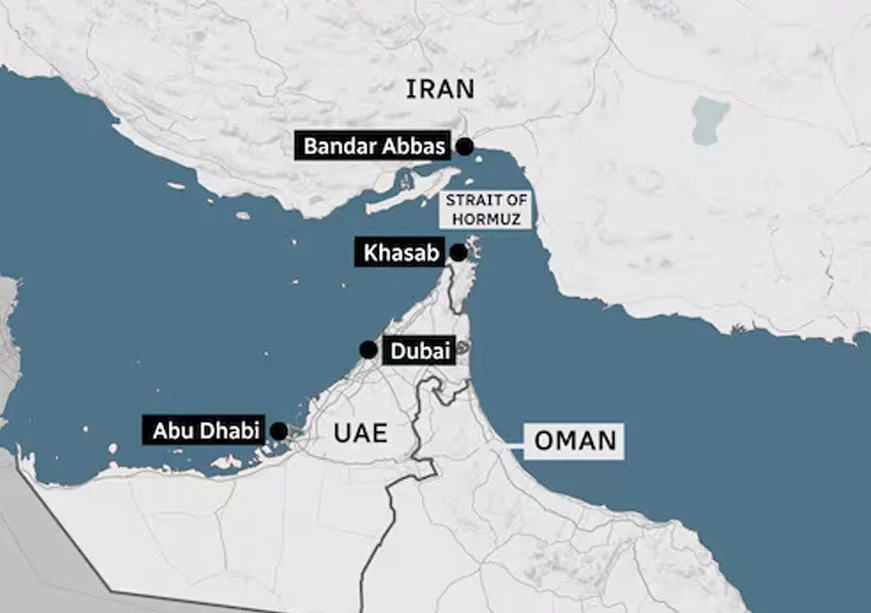
A key concern for traders is the Strait of Hormuz, the narrow sea route between Iran and Oman. Oil tankers carrying supplies from Gulf countries pass through this channel every day. Roughly one-fifth of the world’s seaborne oil moves through it, making the passage extremely important for global energy trade.
So far, there has been no official confirmation of disruptions to shipping in the area. If the conflict however spreads or starts affecting tanker routes, it would lead to more uneasiness in the market. A hint of trouble in the strait could also push prices upward because countries across Asia and Europe depend heavily on oil shipments that move through these waters and region.
Energy analysts say the price increase reflects uncertainty more than an actual shortage of crude oil. Still, if tensions continue or shipping activity slows down, prices could remain under pressure in the coming weeks.
The developments are also being watched closely by governments and investors. Energy company shares rose in several markets after crude prices increased. At the same time, economists cautioned that sustained high oil prices could eventually raise fuel costs and transport expenses in many countries.
Traders are now paying close attention to further developments in the region. An escalated military action or restriction on shipping could trigger another round of volatility in oil markets around the world.