
By Savikalpa Thapa
The National Sports Governance Bill, 2025 has officially become law after receiving the President’s assent on Monday, setting the stage for what the government has described as the most sweeping reform in Indian sports since Independence.
The Act replaces the earlier Sports Code with a statutory framework that brings all national federations, the Indian Olympic Association and the Paralympic Committee under one governance system. It is aimed at making Indian sport more transparent, accountable and athlete-friendly.
Key features of the Act include:
- Age cap of 70 years and term limits for office bearers of sports federations.
- Mandatory representation of athletes and women in governing bodies.
- Creation of a National Sports Tribunal to handle disputes.
- Independent election panels and grievance redressal committees for federations.
- Federations to undergo annual compliance audits for recognition.
- Athlete welfare and development programmes made binding obligations.
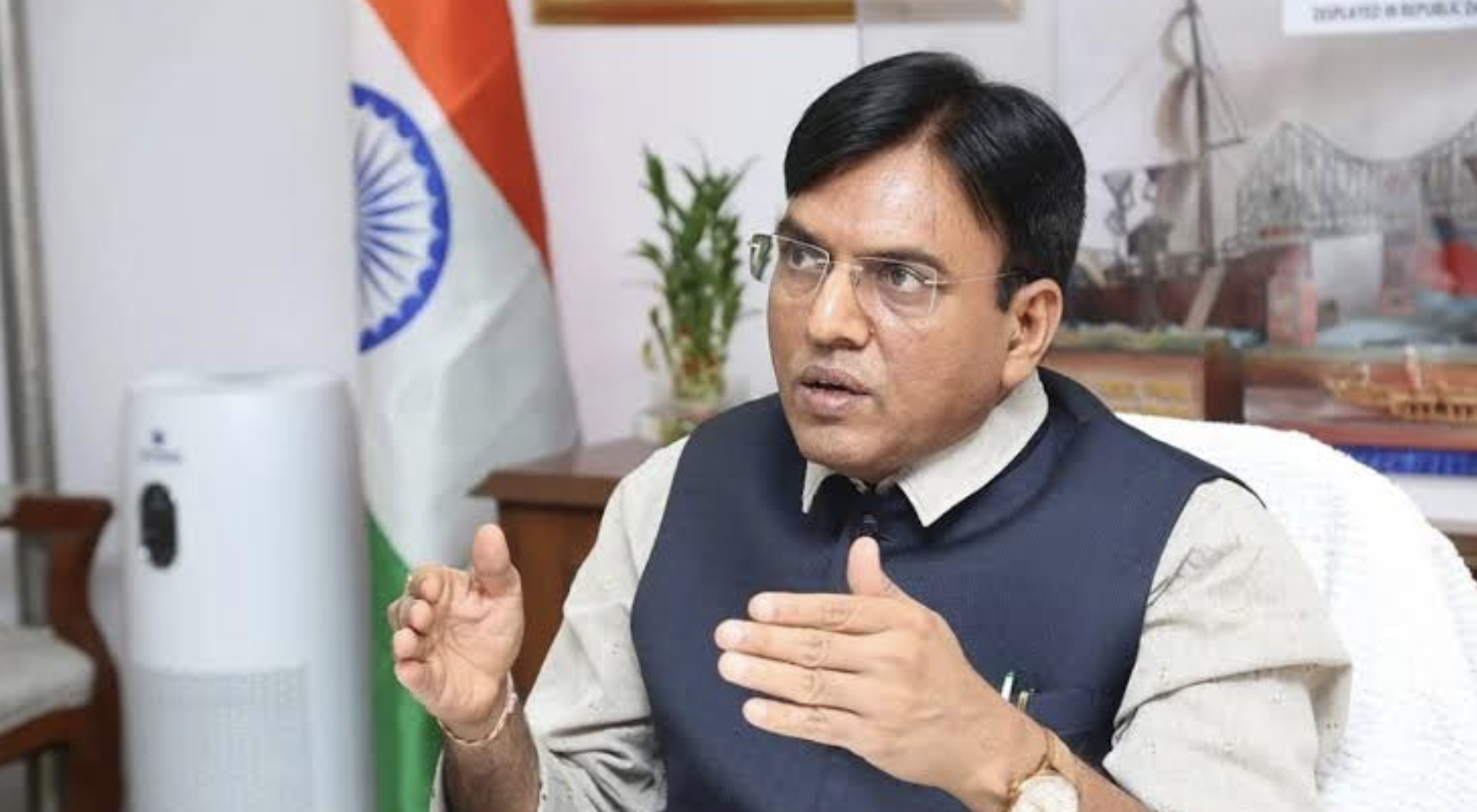
Sports Minister Mansukh Mandaviya hailed the development, saying the Act “ushers in a new era of transparency and accountability” and ensures that athletes’ voices are placed at the centre of decision-making. “This is the single biggest sports reform since Independence,” he told Parliament earlier this month.
Athletes too have welcomed the changes. Olympian Lakshya Sen called it a “historic moment for Indian sports” in a post on social media, while Paralympic champion Sumit Antil said the new grievance mechanisms would ensure that “the voices of all stakeholders are heard and respected.”
The move has, however, sparked debate. Congress MP Jairam Ramesh criticised the exemption of the Board of Control for Cricket in India (BCCI) from the Right to Information Act, arguing it makes the board the “most favoured” sporting body. He also warned that the framework could result in “extreme centralisation” of sports administration, giving the government excessive control over federations.
Supporters argue that the law is necessary if India is to pursue its long-term ambition of hosting the 2036 Olympics, while sceptics remain concerned about autonomy and overreach.