
By Khushi Namdev
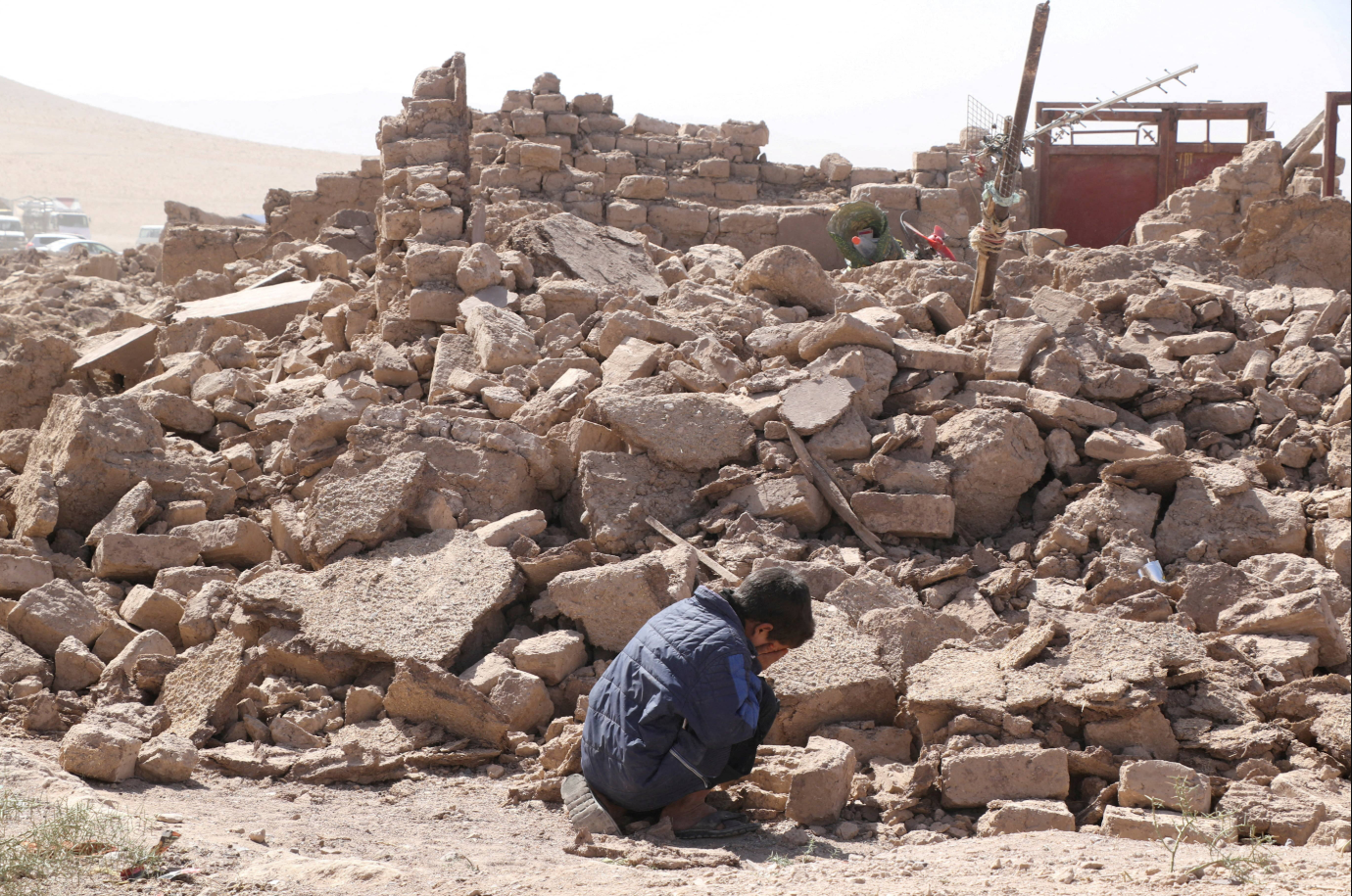
A 6.0 magnitude earthquake was recorded in the regions of eastern Afghanistan on 31st August 2025, which left over 800 deaths and 2500 injured casualties, as confirmed by the Taliban Interior Ministry. The destructive landslides, flooding, and blocked roads hindered the rescue operations in the mountainous Kunar region, severely affected by the quake, which also sent more than 8 aftershocks to the nearby areas. A spokesperson of the health ministry, Sharafat Zama also talked about how many people have been killed or injured but the remote location has continued to challenge rescue efforts. Officials have warned that the toll is likely to increase as the rescuers reach the affected areas.
With Kunar province as the severely affected region, the other three eastern mountainous provinces, like Nangarhar, Nuristan, and Laghman, also faced the consequences. As conveyed by the United States Geological Survey, the shock occurred at a comparative shallow depth of 8 kilometres from the ground.
Footage by Reuters has shown the casualties being carried on stretchers from the military base in Jalalabad, while the other injured people are getting treated at the city hospitals. According to UNICEF, 40 percent of injured casualties are either women or children. A support hand has been approached by the Indian Foreign Ministry, which extended help by sending 1,000 family tents to Kabul, and also 15 tonnes of food are being transported to the Kunar province.
Indian External Affairs Minister, Dr. S. Jaishankar, also mentioned his conversation with a spokesperson of his Afghan counterpart on X, while also offering his condolences to those affected by the disaster. The Ministry has sent an aid of 1,000 family tents to Kabul along with 15 tonnes of food transported to the Kunar province. Additionally, the Indian Ministry will also be dispatching relief supplies starting from Tuesday.
With the lack of support from foreign aid, due to the new Taliban regime, Afghanistan’s vulnerability to natural disasters has increased, making it one of the world’s poorest countries. Further, the data suggests that we are likely to have more severe shocks. The suggested reason them being the merging of Indian and Eurasian tectonic plates which are particularly occurring in the Hindu Kush Mountain region,
Along with that, the country is prone to severe earthquakes, particularly in its Hindu Kush Mountain region, due to the convergence of Indian and Eurasian tectonic movement.