
By Anushka Rajvedi
A bold decision has been taken by the chief of Pune Municipal Corporation regarding the un-utilised spaces owned by the PMC.
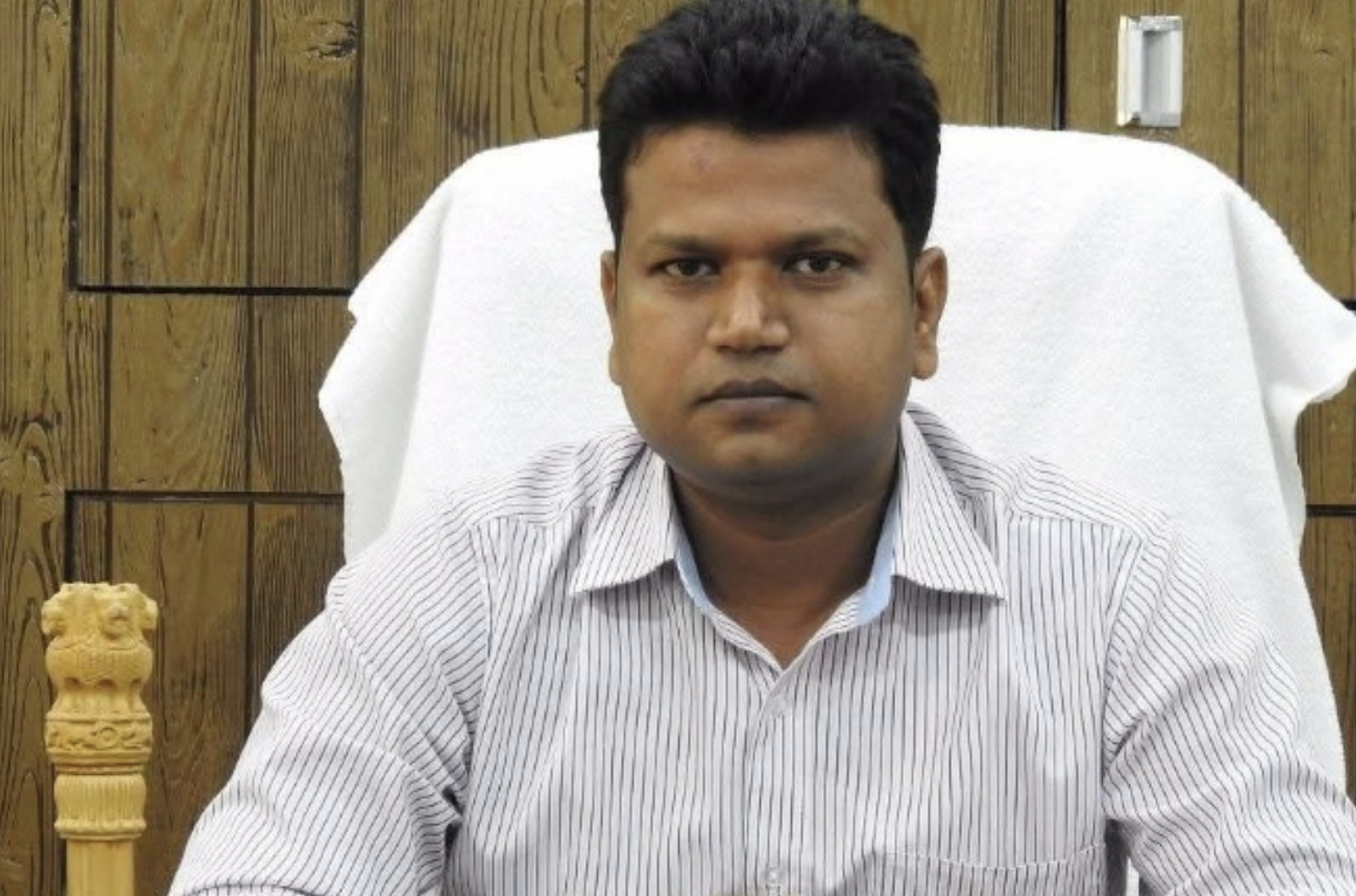
Naval Kishore Ram, the commissioner of Pune Municipal Corporation (PMC), has recently opened up on his idea of generating revenue from the PMC-owned spaces and properties that are either mismanaged or remain un-utilised.
At a conclave of real estate, the commissioner focused on the worsening value of the public properties in this era of increasing costs. He said ‘Out of the ₹4000 crore that we spend on maintaining a thousand public properties, we earn a return revenue of only ₹2000 crore.’ Citing the example of the Yerawada auditorium, he further added,’ The auditorium is one of the finest in the city. We pay up to ₹2000 per day for its maintenance. However, we charge only ₹1000 per day from the public.’
Emphasising the broken revenue model of the corporation, Ram interprets how the spaces for amenities are becoming a ‘garbage dump’ due to the inactivity of the administration and the fear of people. He said, ‘There are apces meant for building schools, hospitals, parks and other amenities for the public, but the administration is hesitant about being accused of the criticism of people who will call it ‘an act of fraud’. Supporting the PPP model, he further added that, ‘If the PMC is short on funds for the development of a sports complex, then it should be handed over to any private organization under the PPP model. Through this, the organization can build the complex for public use and share the revenue generated while serving the purpose.’
Ram implied that not engaging the private investments in public projects is hindering the development of the city. ‘How will the city grow if there are no investments from private companies? PPP is not synonymous with something that people fear.’
The PMC has involved the PPP model in many of its recent projects. While these projects have accelerated financial growth and delivery, it is important to regulate the model to avoid any misuse and encourage public benefit.