
By Swetha Anil Kumar
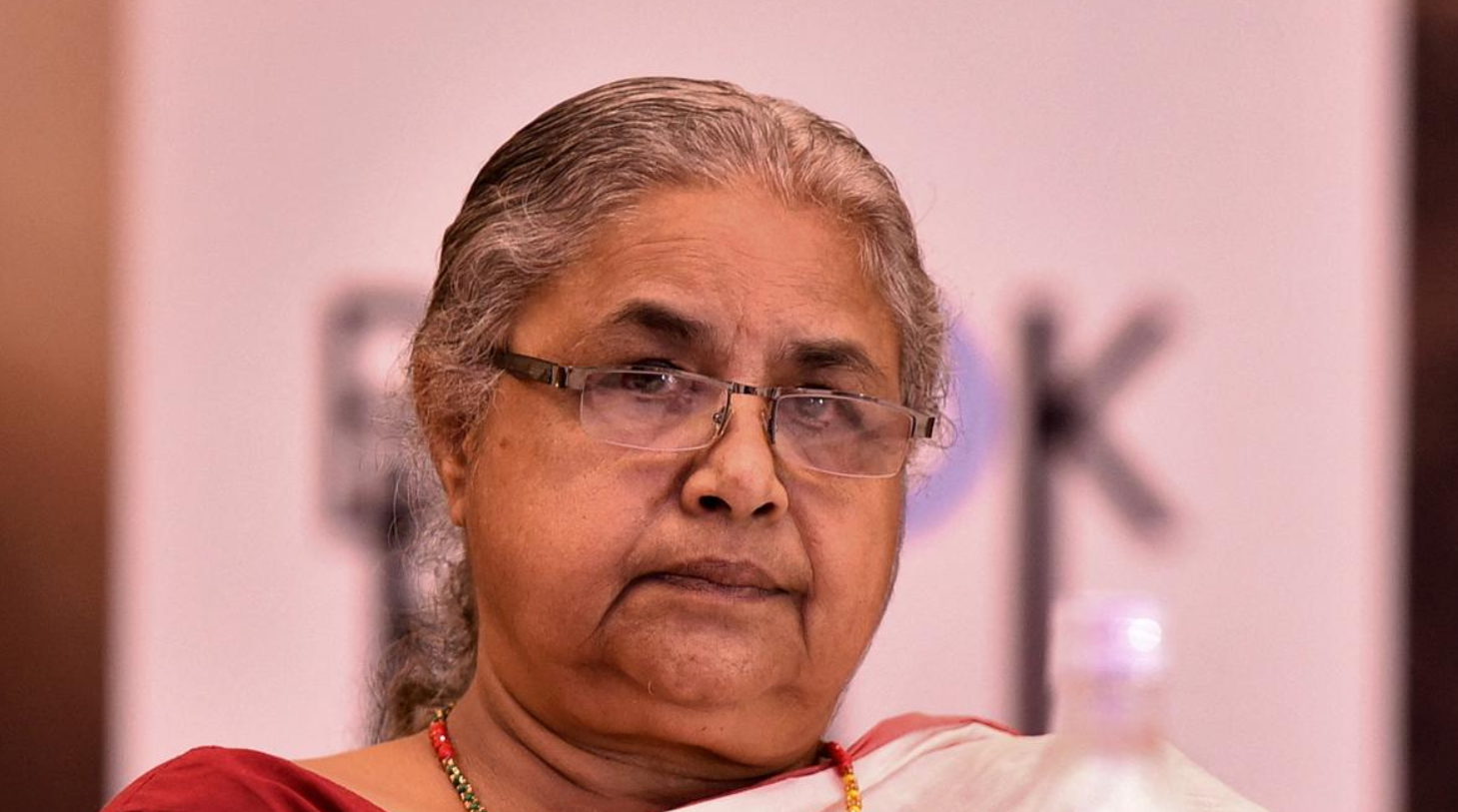
Sushila Karki, who was Nepal’s former Supreme Court chief justice, was sworn in as the country’s interim prime minister on 12 September, 2025 following violent anti-corruption protests that forced Prime Minister K.P. Sharma Oli to step down.
Sushila, 73-year-old, became the first woman to lead the impoverished Himalayan nation after a deal was reached with protest leaders and was sworn in during a brief ceremony. The oath of office was administered by President Ramchandra Paudel to Karki at the presidential palace in a ceremony broadcast live.
After days of consultations, the agreement between the president and the protest leaders was reached with legal experts also being involved.
On Friday, the Parliament was dissolved and it was announced that general elections would be held on 5 March next year.
By March 11, 2026, Karki will have to hold fresh elections to the lower house of parliament, said the president’s office. Authorities also said that she is expected to appoint other ministers in a few days.
More than 50 people were killed and 1,300 were injured in clashes with riot police during this week’s mass protests by the Gen Z movement, which is named for the age of its mainly young supporters.
The social media ban in Nepal, because of which the protests erupted, has since been rolled back. Only after Oli resigned on Tuesday the violence subsided
Karki is the only woman to have served as chief justice, and was the preferred choice of the protesters. They cited her reputation for honesty and integrity and her stance against corruption.
But she has not been free from controversy. She has faced an impeachment incident during her nearly 11-month tenure as chief justice.
Her cabinet will be facing a lot of challenges, including restoring law and order, reconstructing parliament and the other key buildings that were attacked, making sure the Gen Z protesters who want change as well as others in Nepal who are fearful, its young democracy and constitutional order could be derailed.