
- By Aarit Gupta
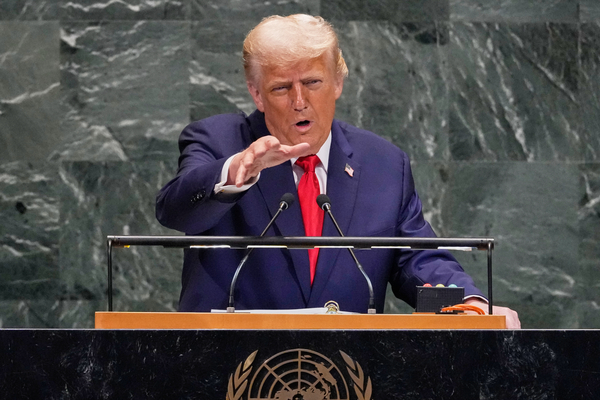
Donald Trump set off a storm at the United Nations General Assembly this week when he called climate change “the greatest con job ever perpetrated.” His sharp words clashed with the mood of most leaders in the room, who spoke about rising heat, floods, and fires that are already reshaping lives across the world.
Reactions were immediate and angry. European leaders called his remarks reckless. Leaders from small island nations, who are already watching the sea eat into their land, said it felt like a personal insult. “It is a slap in the face to all of us who live with this reality every day,” one Pacific representative told reporters.
Environmental groups were just as blunt. “At a time when people are losing their homes to floods and fires, dismissing climate science as a hoax is dangerous,” said Maria Fernandez from Climate Action Now.
Trump’s position on climate is not new. It was during his presidency that he pulled the United States out of the Paris Agreement and stripped away several environmental rules. The U.S. later however evolved under President Joe Biden, but Trump’s influence has yet not faded. His position on climate still carries some weight in the U.S. and abroad.
For diplomats preparing for next year’s COP30 climate summit in Brazil, the timing could not be worse. Many fear his comments may deepen the split between rich and poor nations. Developing countries argue they suffer the worst of climate change while having contributed the least to it. “When a leader with global influence calls climate change a con, it shakes the fragile trust we have built,” said Dr. Aditi Sharma, a climate policy analyst in Delhi.
Yet some believe his remarks may backfire. Instead of slowing momentum, they may strengthen it. France’s environment minister said, “This only proves why we must stand together and act faster.”
Trump’s words now hang over the road to COP30. They could stall fragile talks, or they could push others to double down. The answer will become clear as leaders decide whether to waver — or to move with new determination.