
By Aditi S Bade
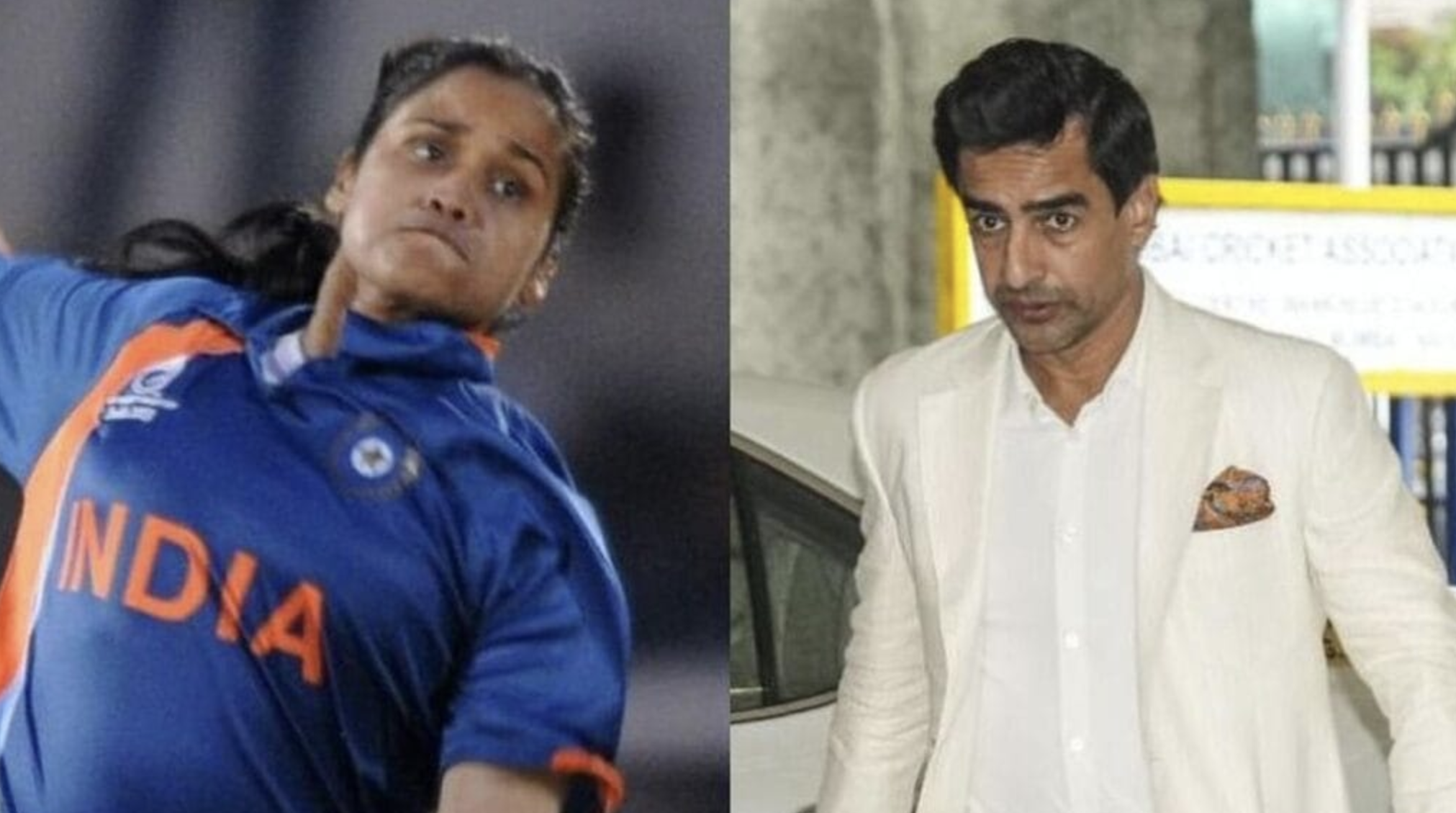
The most important datum in the hierarchy of Indian cricketing organisations is that the former Delhi captain Mithun Manhas was voted in as the new in-charge of the Board of Control for Cricket in India (BCCI) uncontested during the 94th Annual General Meeting, whereas Amita Sharma, a former Indian all-rounder, was appointed as Chairwoman of the Women’s national selection committee. These changes will matter in the governance and development of Indian cricket.
Mithun Manhas at the age of 45 became the 37th elected president of the BCCI and took over the vacant chair from Roger Binny, who was forced to resign upon reaching the age limit. Manhas was a single nominee and went uncontested, so he was finally appointed at the AGM. Despite having never donned India colours on an international stage, Manhas has a long first-class career with Delhi and Jammu & Kashmir in domestic cricket, as well as many years of experience in coaching and administration. It is also believed he is the first player19 without any international caps to lead the BCCI.
Observers suggest that a private agreement recognized the need for fresh perspectives and stability in leadership, allowing for his smooth election. In the new setup, key appointments include Raghuram Bhat as Treasurer, and RP Singh and Pragyan Ojha joining the men’s selection panel. On the women’s side, the AGM introduced a new face in selection: Amita Sharma was named chairperson of the Women’s Selection Committee, taking over from Neetu David. Joining her on the panel are Shyama Dey, Sulakshana Naik, Jaya Sharma, and Sravanthi Naidu.
A seasoned cricketer herself, Sharma represented India in 116 ODIs, 41 T20Is, and 5 Tests, picking up wickets across formats. Her deep experience on the field and understanding of the women’s game makes her a meaningful choice to steer selection strategy. The new committee is expected to begin its work after the conclusion of the Women’s World Cup.
His success will hinge upon how he weighs the needs of the state associations, of the players and the franchises, and of global bodies. Aligned in this also comes the importance of Sharma: Indian women’s cricket is at an exciting juncture with emerging talent, growing media attention, and international tours. Her selection strategies will significantly affect the team’s future and success.
Management changes should mark a generational shift, bringing in domestic cricket administrators and women’s players. This puts pressures on managing expectations and the fair treatment of inconsistencies between men’s and women’s cricket. Indian cricket aficionados will look forward to seeing what happens on the field under Manhas’s presidency and Sharma’s selections.