
By Aditi S Bade
The alluring canals and gondolas of Venice have always been a major attraction for tourists from all over the globe, but now the city is at a critical juncture where it is either going to be a livable space and a cultural gem or not at all. The Venetian authorities are even considering introducing limits on tourist arrivals as a first step in the process of taking back control of the tourism situation.
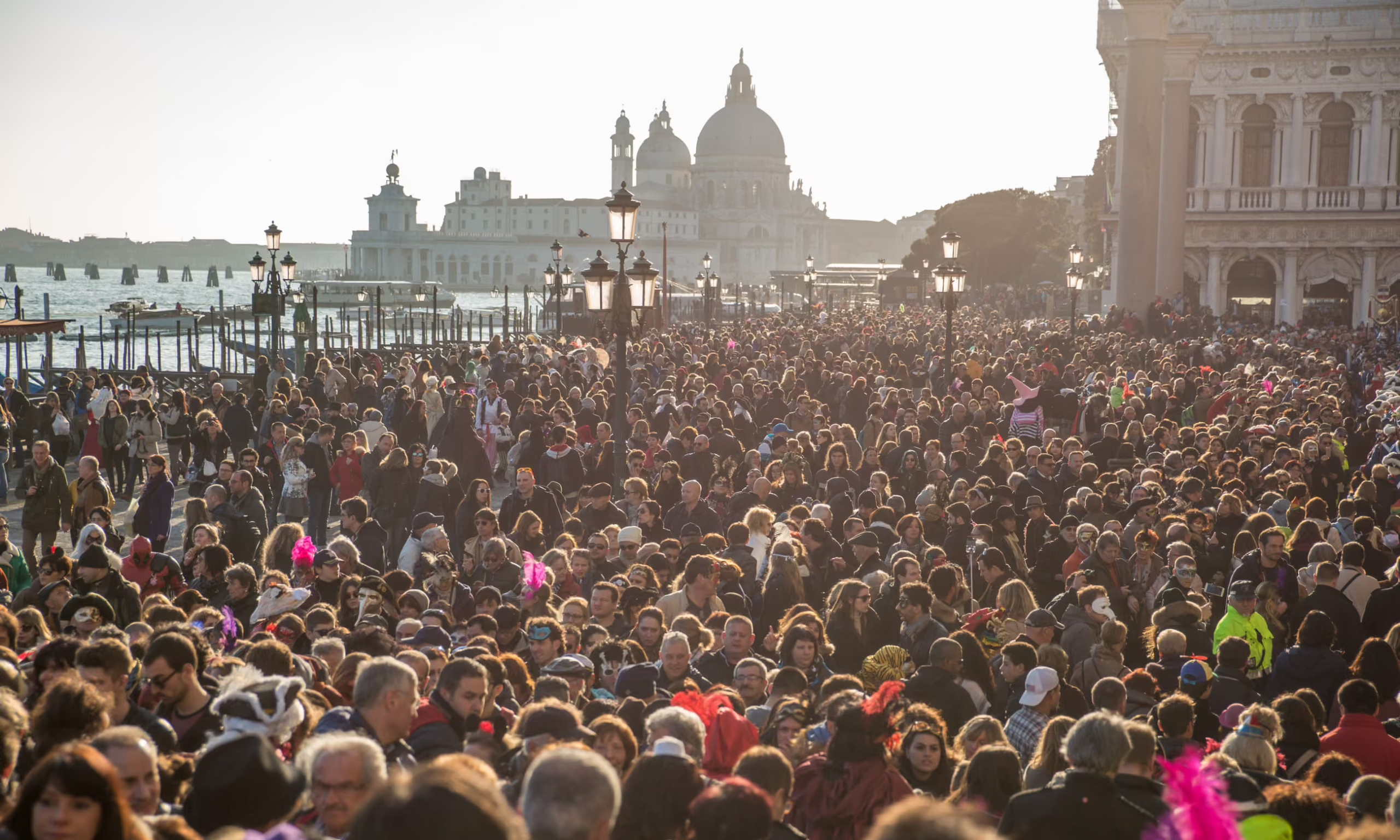
The whole thing is incredibly worrying. The city’s fragile infrastructure and historic legacy have all taken a toll because of the extreme overcrowding, the influx of day-trippers, and incessant large cruise ships passing through the lagoon. Moreover, UNESCO has warned that unless there is a drastic change in the case of the city, its World Heritage status might be threatened. The phenomenon widespread in the tourist industry, where the number of tourists is more than what the infrastructure can bear without impacting the quality of life of the locals and the value of the destination’s heritage, is the root of Venice’s dilemma.
The studies suggest that a big proportion of the tourists are day-visitors, who spend only a couple of hours in the city, and these tourists not only contribute relatively less to the local economy but also place more pressure than usual on streetmeets, bridges, and riverboats. According to one article, the city is “slowly but steadily sinking” not just because of the waters of the lagoon but also because of the weight of the people and the erosion from the heavy cruise ship traffic.
To this end, the authorities of Venice are considering a variety of measures. They are thinking of day trippers paying a fee to enter, limiting the number of tourists in groups, diverting large cruise ships from the historical area or simply prohibiting them, and promoting already existing locations within the lagoon and the region as alternatives to the main island, thereby reducing the number of people coming to the main one. The aim is not only to make Venice attractive again to tourists but also to make it a place where people live, work and, very importantly, cherish its unique legacy.
In this context, it will become necessary for travelers to book their stay well in advance, also they will be possibly off-peak visiting more often, and the length of their stay will most probably have to be overnight instead of a short day-trip. On the other hand, the measures could mean for the local community less people in the area, easier access and better facilities. Despite this, some critics maintain that the implementation of entry fees or limitations on access would result in Venice becoming a closed theme-park instead of an active city.
Venice’s crisis serves as a warning to other heritage sites across the globe: the need to reconcile access with sustainability, tourism with liveability. The measures adopted in Venice may well influence the future of tourist cities in their struggle against the global travel pressures.