
By- Kritika Gangwar
Cyclone Ditwah has been active for a week now in the Indian Ocean region. It first started on November 26 in the southeast of Sri Lanka and gently moved towards the eastern region. There have been hundreds of casualties reported by now. The Ditwah then moved to the north, touching the Indian coastline.
It’s very frequent that the Indian Ocean witnesses tropical cyclones every year. Many of these formations reach the Indian coast but India has developed a system to handle these formations and reduce the damage they cause.
Cyclone Ditwah formed in Southern Sri Lanka, which is quite unusual. Sri Lanka doesn’t experience such storms frequently like India does and hence they are less prepared for them. Ditwah did not move inland; it moved along the coast. It remained on the coastal waters, which intensified the time period and destruction
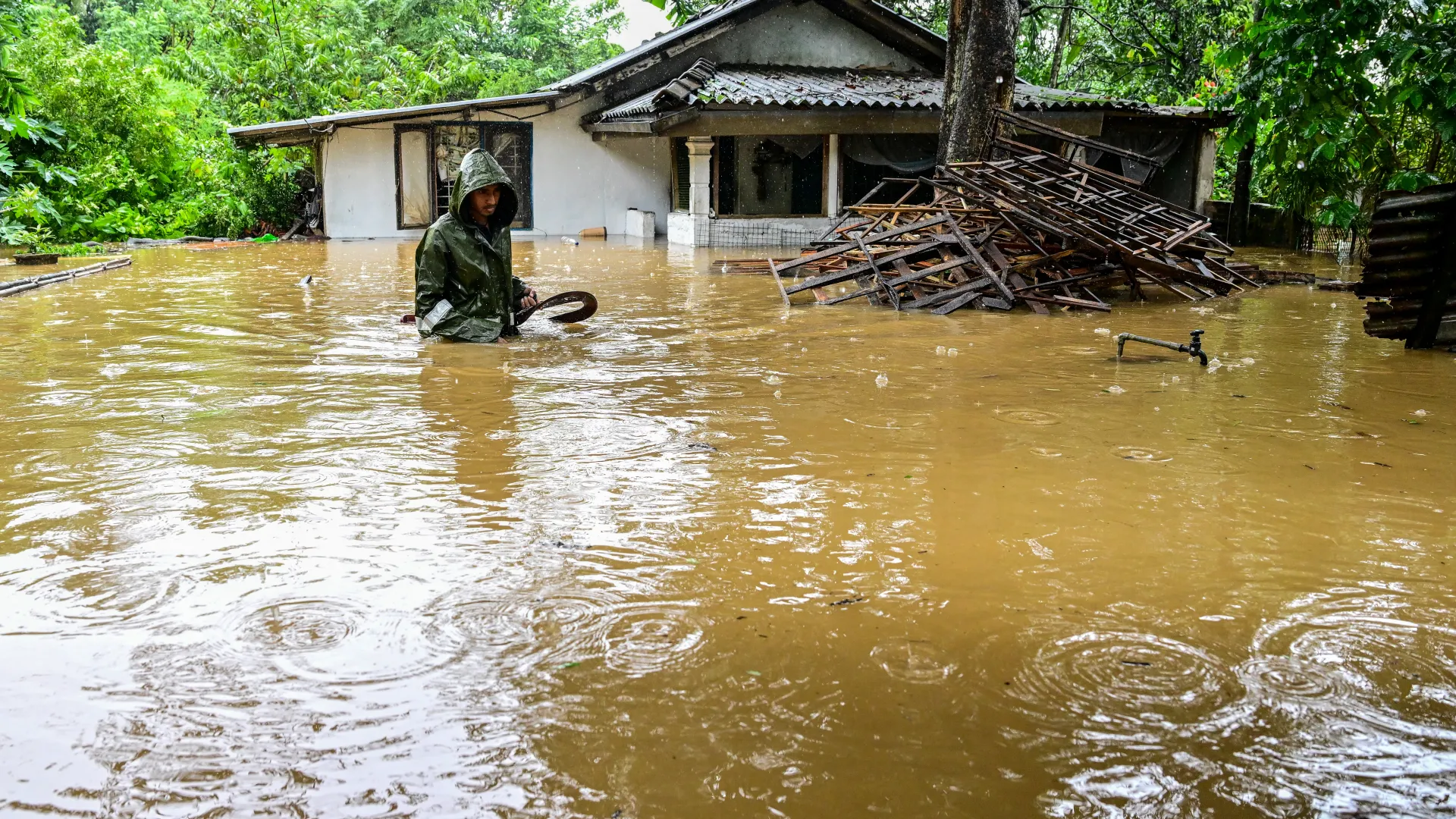
Cyclone Ditwah unleashed floods and landslides that claimed over 460 lives, left hundreds unaccounted for and destroyed almost 30,000 homes.
Yet, in this time of destruction, remarkable volunteer efforts from across the country have emerged, as people come together to confront what the president called the “most challenging natural disaster ”.
Over one million people have been affected by this storm, which led the president to declare a state of emergency.
The military of Sri Lanka mobilised helicopters to carry out rescues and the international help is arriving from different humanitarian organisations and foreign governments.
Despite all these efforts, recovery will require a long time and difficulty.
Bulldozers and backhoes are working to clear the blocked roads of mud and trees, as it is necessary in order to be able to deliver food and medicine.
Officials have said that efforts were made to revive the electricity and communication of the affected areas.
About 3 kilometres away from Nashra’s home, on the other corner of the village, the houses showed clear signs of damage caused by landslides. Various houses were destroyed.
“They tell us to leave but where do we go? There is a temple nearby but there is only one bathroom for about 100 people. “The facilities are not enough,” Manjula Jayalath, a resident of the area, said.