
By Paramita Datta
The Indian rupee dropped low on Monday, the reason speculated to be that U.S. and India trade discussions have been stalled for an extended period, ultimately leading foreign investors to withdraw funds from Indian stocks and bonds.
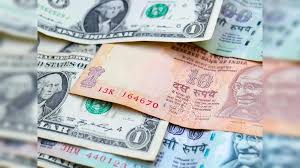
The rupee fell 0.3% to 90.74 versus the U.S. dollar, dipping below its previous record low of 90.55 established on December 12.
The currency, the lowest performer in Asia this year, did not decline further since traders think the central bank intervened to support it. The rupee has declined by nearly 6% compared to the U.S. dollar this year. This is largely due to the U.S. imposing significant tariffs, reaching 50%, on products from India. These tariffs have lowered exports to the U.S. and rendered Indian stocks less appealing to international investors.
In 2025, foreign investors have divested over $18 billion in Indian stocks, positioning India as one of the most affected markets. In just December, international investors sold over $500 million in Indian bonds.
Market mood has weakened after India’s chief economic adviser said a trade deal is unlikely before March. A trader at a Mumbai bank said that foreign money has been flowing out almost every day. India and the European Union are also not expected to finish a trade deal by the end of this year, according to Bloomberg News. Because of this, the rupee has not gained much, even though the US dollar has been getting weaker. The dollar index has fallen 1.1% so far this month.
The rupee has a level of support at 90.80. If it falls below that, it could surpass 91 and potentially hit 92. “The RBI is permitting the market to determine the price and is intervening only to prevent extreme or abrupt fluctuations,” stated Anil Bhansali, head of treasury at Finrex Treasury Advisors.
ANZ analysts indicate that while a trade agreement between India and the U.S. might initially boost the rupee, this increase may be temporary. The rupee may depreciate once more if the Reserve Bank of India purchases dollars to increase its reserves.