
By Gitika Sharma
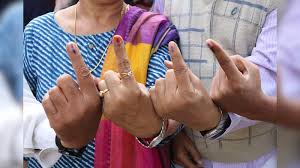
After nine years, civic body elections in Maharashtra were held in 29 municipal corporations — which cover six pivotal municipalities: Mumbai, Pune, Thane, Nagpur, Pimpri-Chinchwad, and Nashik. Polls ended on Thursday with an overall turnout of 46–50 per cent of voters. The elections featured several high-profile political campaigns. The Thackeray brothers teaming up against the BJP-led coalition, represented by Deputy Chief Minister Eknath Shinde’s Shiv Sena, for a showdown became a major talking point. In Pune and Pimpri-Chinchwad, people in the Pawar family rallied together to protect their traditional strongholds. And the NCP and NCP (SP) diverged state-wide but went for each other’s polls in municipal elections. They selected candidates together, and speculation regarding the results when compared across sectors has resulted still more.
Maharashtra Municipal Corporation Election Results 2026 LIVE: Lowest Voter Turnout Flags Urban Apathy in Maharashtra Civic Polls
Alarm bells ringing at the heart of critical cities in Maharashtra, there were a few urban areas in the state with low turnout at municipal elections. In Mumbai, pockets of South Mumbai like Colaba (Ward 227) are among the worst performers at around 15–16 percent (much below the average among urban voters). The same pattern prevailed in a number of higher and middle-class wards of Pune and in some districts in Vidarbha where turnout was minimal when the wider population left home for most of the day of polling.
Maharashtra Municipal Corporation Election Results 2026 LIVE: Highest Voter Turnout Reflects Strong Grassroots Mobilisation in Smaller Cities
Ichalkaranji was a sensation, drawing roughly 70 percent turnout; it was one of the highest of any municipality in Maharashtra at the current elections. High turnout was also recorded in some towns of Western Maharashtra and some parts of Vidarbha where municipal employment, water supply, roads as well as sanitation are in close proximity in day-to-day existence. The proximity of candidates compared to voters, the closer networks and greater booth-level mobilization by the parties led to an increase in turnout (and in turn supported the view that civic elections are more concentrated in areas where governance effects are significant and present).
Maharashtra municipal elections in 2026 had been far less successful in many of the big cities, with overall turnout lower than that of the 2017 civic elections. Mumbai attracted roughly 55.5 percent turnout in its 2017 Brihanmumbai Municipal Corporation election, and these numbers stand out from the 46–50 percent range predicted statewide in 2026, just as urban participation across the country is decreasing compared to nine years ago.