
By Tannistha Dey
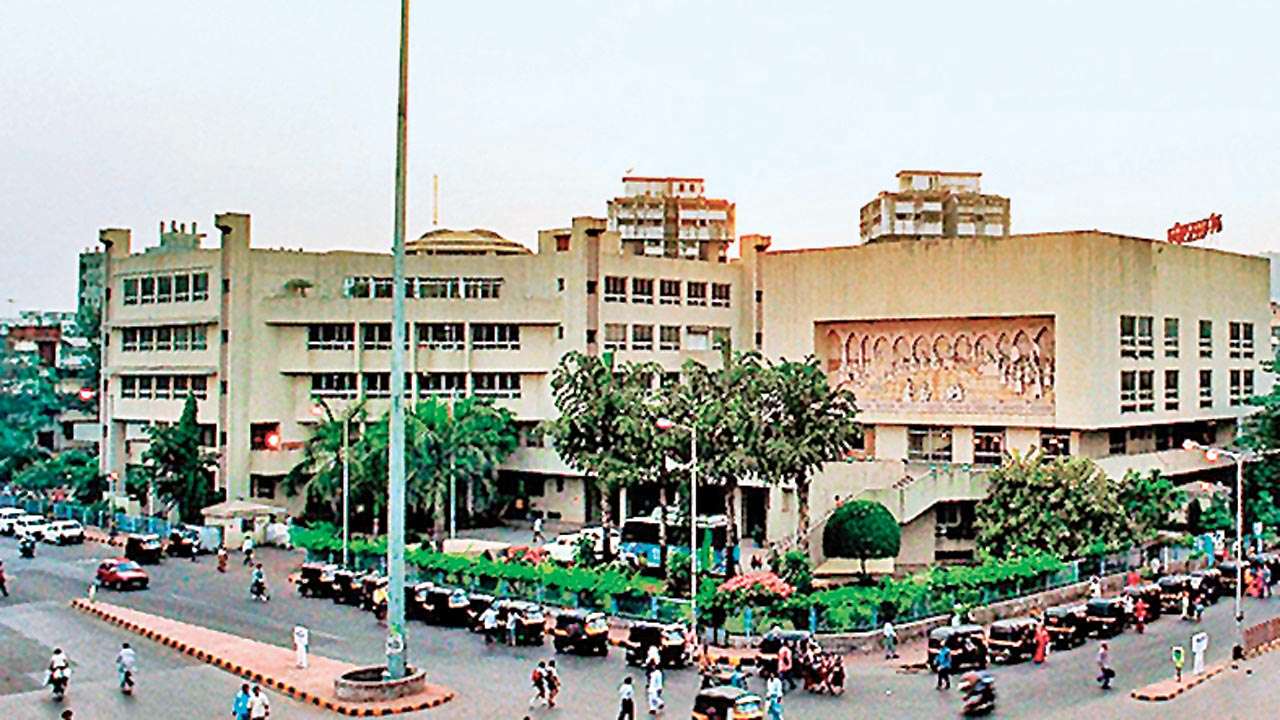
Thane’s dramatic transition into a key urban hub has meant the TMC is facing increasing pressure, and civic performance has emerged as a priority issue in the run-up to the municipal elections. Powered by mega housing projects, the city has seen a gradual increase in population, triggered by its increasing connectivity with Mumbai.
Infrastructure – roads, traffic management, and water supply – has been sorely stretched by this expansion. While the TMC has undertaken flyover projects and begun road-widening and sanitation initiatives, residents continue to voice concerns about traffic jams, construction setbacks, and intermittent water supply issues. Although public transport options have increased, the growing number of vehicles on the roads has diminished their effectiveness
However, despite these issues, parts of the electorate may still support the incumbent TMC administration because it has accrued experience in managing a rapidly growing city and the visibility of ongoing civic works. Regular waste collection, digital grievance redressal systems, and infrastructure projects in progress contribute to perceptions of political continuity and stability – the factors that often influence voting behaviour.
As elections draw nearer, social issues surrounding urban expansion are likely to feature prominently in public debates. Citizens will find themselves weighing the provision of infrastructure services with everyday aggravation, with political parties likely to focus their campaigns on promises to improve planning and efficiency.
Looking into the future, it is expected that the outcome of the elections would decide that TMC would either continue to follow its current development path or else demands for structural changes would be made. With Thane’s growth not showing any signs of levelling off, the coming government would face immense pressure to achieve a balance between development and good governance.