
By-Sinjini Mitra
Eighteen years after the IPL rewrote the rules in the world of cricket, India headed into the T20 World Cup not just as contenders, but as a team that finally understands the format it helped in creating.
A recent moment on Pakistan’s YouTube channel Game Plan captured the global mood. As the host listed India’s batting lineup, he asked a rhetorical question: “Har ek banda akela match jita sakta hai, plan kya ho sakta hai?” (Each one of them can win a match on their own. What’s the plan?) Former Pakistan batter Basit Ali smiled and raised his palms and reverted back: “Dua kar sakte hain.” (We can pray.)
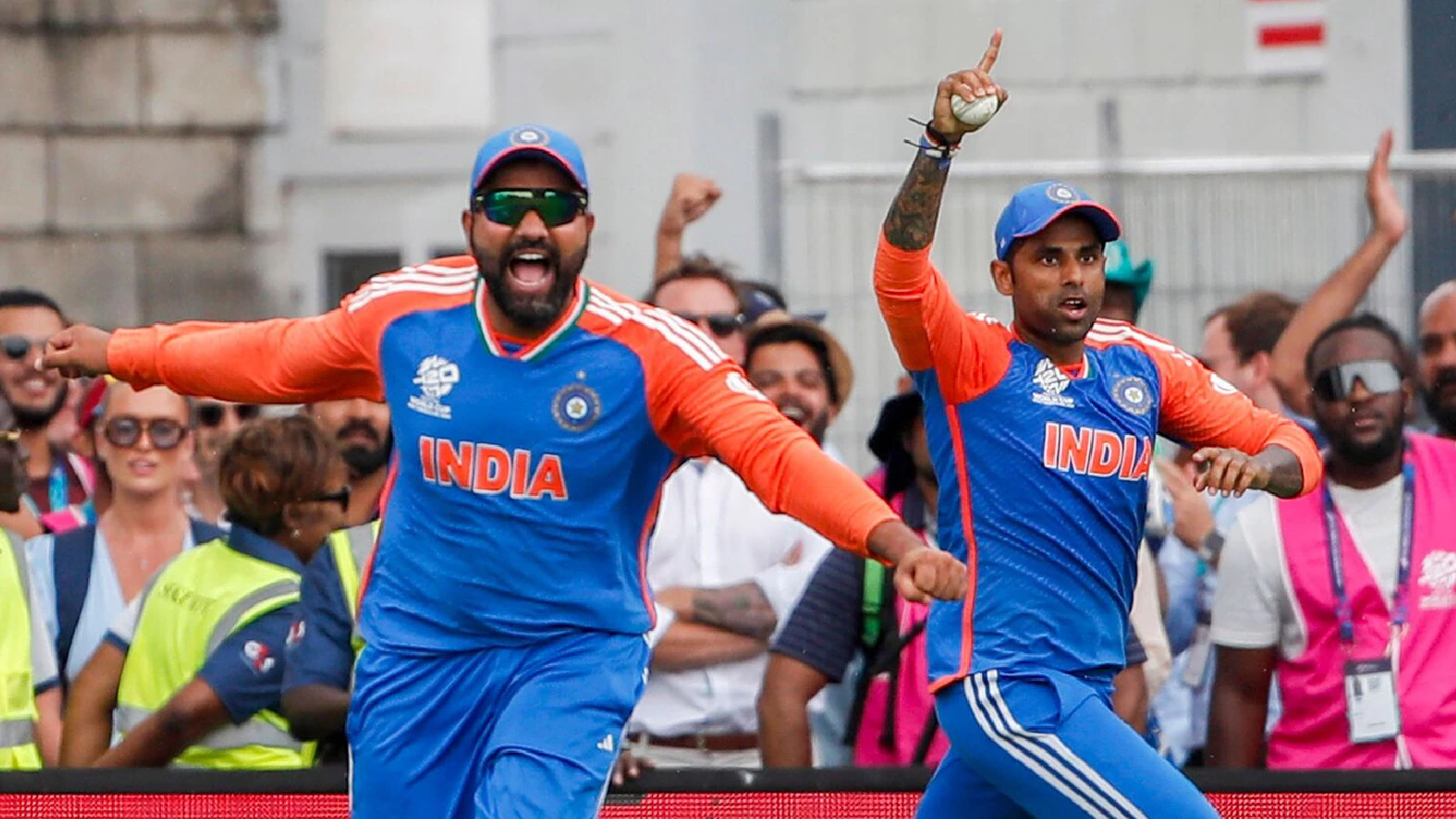
For years, such awe would have felt misplaced. Despite owning the IPL, India often looked disconnected from T20 cricket at the international level. Their approach appeared dated, rigid, and a bit unsure, reminiscent of the inaugural Royal Challengers Bangalore side that struggled to decode the format. Even their 2024 T20 World Cup triumph came after being dragged into modern T20 thinking by captain Rohit Sharma, with backing from then-coach Rahul Dravid. That shift has now matured into a full-fledged transformation.
At the start of this World Cup, India stood as the most dominant white-ball side in the world. More importantly, they are finally aligned with contemporary T20 theory. Batting orders are fluid. Floaters are the norm. Any player can walk in at any stage and be expected to attack. During a recent series against New Zealand, Ishan Kishan smashed his way out of trouble without hesitation.
The outdated idea of “pinch-hitters” has disappeared. Axar Patel can bat at No. 4; Rinku Singh can be promoted or held back depending on match situations. Tilak Varma offers a balance, which is technically solid yet fearless and capable of absorbing pressure or accelerating, as seen in his Asia Cup final performance.
The bowling unit mirrors this flexibility. Jasprit Bumrah can open the attack or operate in the middle overs. Hardik Pandya can take the new ball if required. Arshdeep Singh continues to grow as a rare new-ball bowler willing to hunt for a swing, while Mohammad Siraj brings relentless intensity in the field. Spin options in Varun Chakaravarthy and Kuldeep Yadav complete a well-rounded attack.
Hardik Pandya’s presence as the team’s MVP is crucial. Fully fit, he provides explosive finishing with the bat and tactical freedom with the ball, which allows Bumrah to target the most vulnerable overs in a T20 innings.
Nearly two decades after Misbah-ul-Haq’s scoop landed in Sreesanth’s hands and indirectly paved the way for the IPL, India has finally become soulmates with T20 cricket matches. Whether or not they win the World Cup, the transformation is real, and it is unmistakable.