
By Shivli Singh
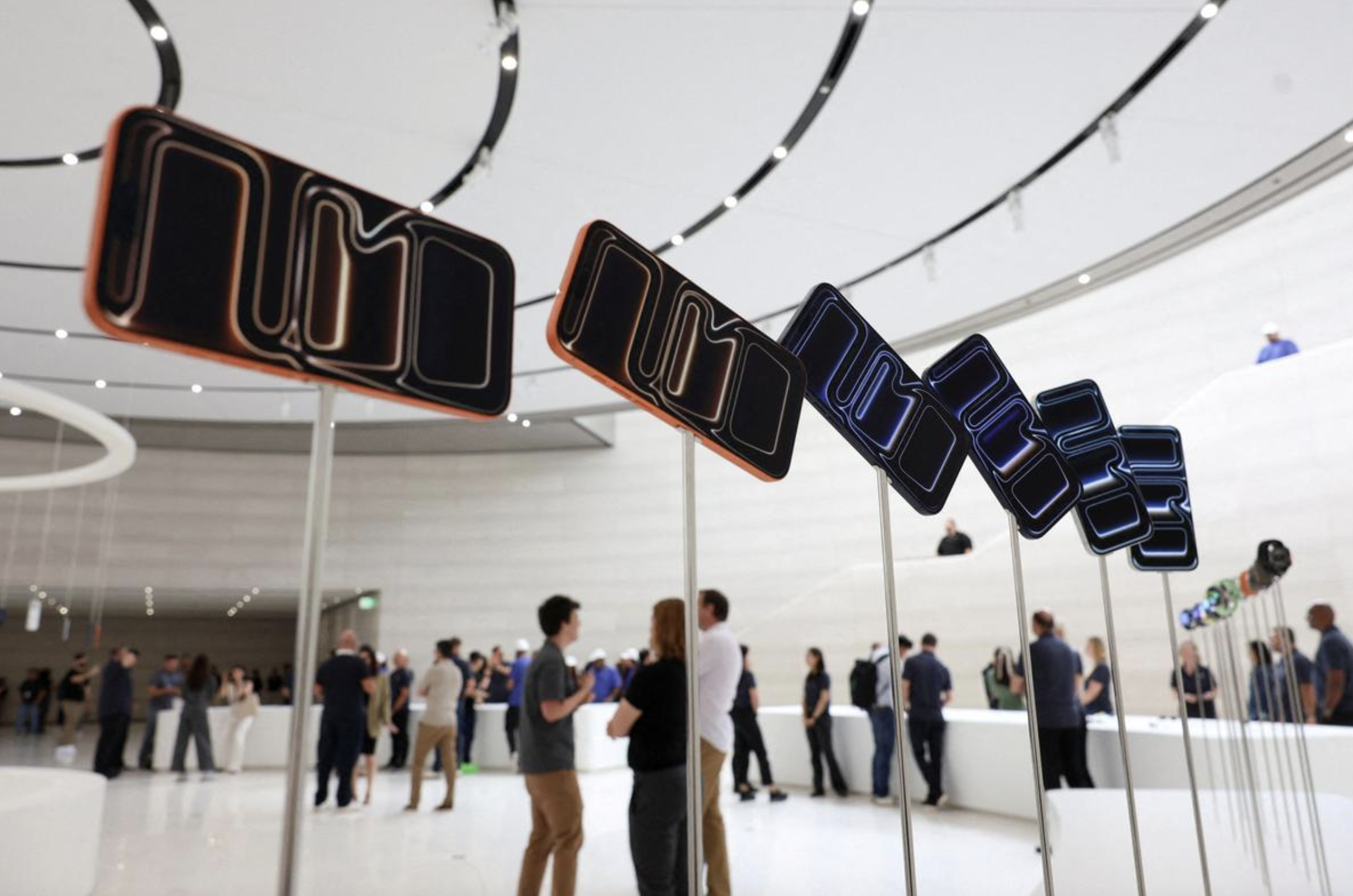
Last week, Apple announced the launch of four new iPhones – the iPhone 17, iPhone Air, iPhone 17 Pro, and iPhone 17 Pro Max – all equipped with its latest chips, the A19 and A19 Pro. The standard iPhone 17 operates on the A19, whereas the Air and Pro variants utilize the more advanced A19 Pro.
The A19 Pro features enhanced GPU cores with integrated Neural Accelerators, and in the Pro models, a vapor chamber cooling system that guarantees up to 40% improved sustained performance. In addition to the phones, Apple unveiled the N1 networking chip and C1X modem. These products will be available in stores starting September 19.
The A19 Pro is an essential part of Apple’s plan to integrate AI into the user experience, intended to carry out functions like running large language models, real-time video editing, and augmented reality (AR) with speeds up to 40% quicker.
Alongside boosting processing speed, the improved architecture raises energy efficiency, extends battery longevity, and efficiently manages demanding tasks. Industry experts observe that the A19 Pro’s blend of performance and sustainability signifies a vital advancement as buyers increasingly desire robust capabilities paired with environmentally friendly technology.
A major feature of the chip is its capability to handle complex AI models on devices rather than relying heavily on cloud computing. This change allows users to experience quicker, more secure, and privacy-focused AI-enhanced features.
Apple’s latest chip highlights the firm’s commitment to harmonizing privacy and performance, providing capabilities such as context-sensitive interactions with Siri, real-time 3D graphics for gaming, and immediate language translation.
The A19 Pro is set to impact the competitive mobile processor landscape, as rivals such as Qualcomm and Samsung concentrate on comparable AI-focused architectures. Analysts indicate that Apple’s smooth integration throughout its ecosystem—enabling Macs, iPads, and iPhones to efficiently utilize the chip’s features—acts as a competitive advantage.
For Apple, the A19 Pro means more than merely improved processing capability; it lays the foundation for the upcoming generation of AI-driven devices. By emphasizing user-centered innovation, Apple is strengthening its dominance in the worldwide tech arena.
A notable change is the introduction of the new vapor chamber cooling system in the newer models. It has the potential to cool devices 20 times more effectively than the titanium utilized in previous models. This configuration may also provide up to 40% enhanced performance during extended activities such as gaming, video editing, and streaming, where it would be most beneficial.
Apple is evidently striving to unify its ecosystem, yet the reliance on a combination of modems suggests that it has not yet achieved complete control over the wireless aspect. This could result in inconsistencies, particularly as Apple increasingly focuses on AI and cloud-based functionalities.