
By Tasneem Bandukwala
The 18th BRICS Summit wrapped up in New Delhi this month, with leaders from the 11-member bloc coming together at Bharat Mandapam. Hosted by India under the theme “Building for Resilience, Innovation, Cooperation and Sustainability,” the two-day meet ended with the unanimous adoption of the 140-point New Delhi Declaration. Here are five big takeaways.
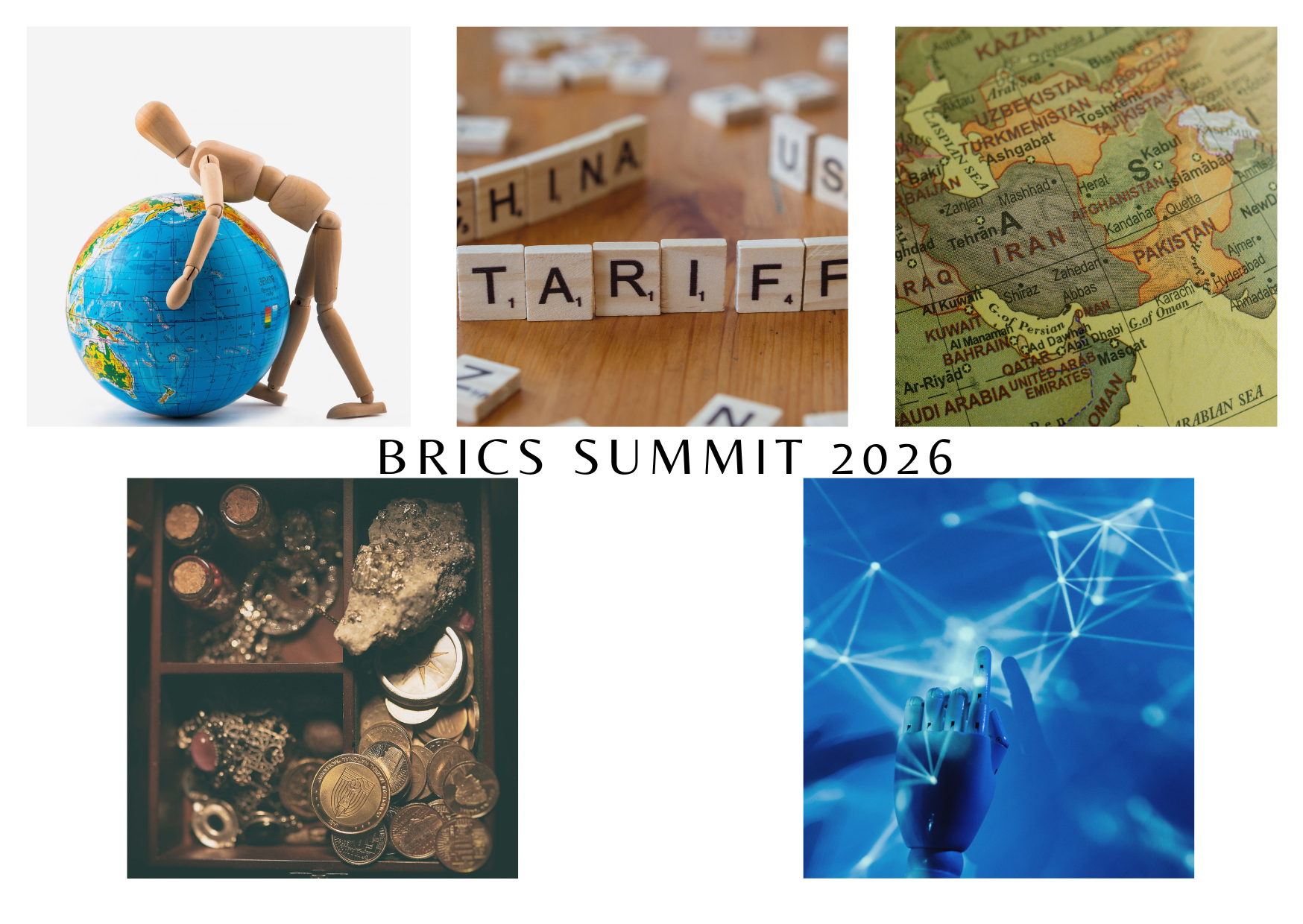
1. A strong call for global reform The declaration pushed hard for reforming institutions like the United Nations and the World Trade Organisation, arguing they no longer reflect today’s economic realities. It backed India and Brazil for bigger roles on the world stage and demanded that developing countries get a fairer say in global decision-making.
2. Pushback against trade barriers BRICS leaders spoke out against one-sided tariffs, trade sanctions, and carbon border taxes that don’t follow WTO rules. Without naming any single country, the bloc made clear it wants fairer, rules-based global trade.
3. A message on West Asia and Kashmir The declaration condemned the terror attack in Jammu and Kashmir and called for calm in West Asia. It urged an immediate ceasefire in Gaza, unrestricted aid access, and backed a two-state solution along with full UN membership for Palestine.
4. Focus on money and minerals Leaders pushed for more trade in local currencies, reducing dependence on the dollar. Climate finance, energy transitions, and access to critical minerals also featured prominently in the discussions.
5. AI governance takes centre stage For the first time, artificial intelligence found a formal place on the BRICS agenda, with member nations agreeing to work together on responsible AI development and governance.
Together, these outcomes show a bloc trying to speak with one voice for the Global South, even as its members remain divided on some of the world’s toughest conflicts.