
Dhruvi shah
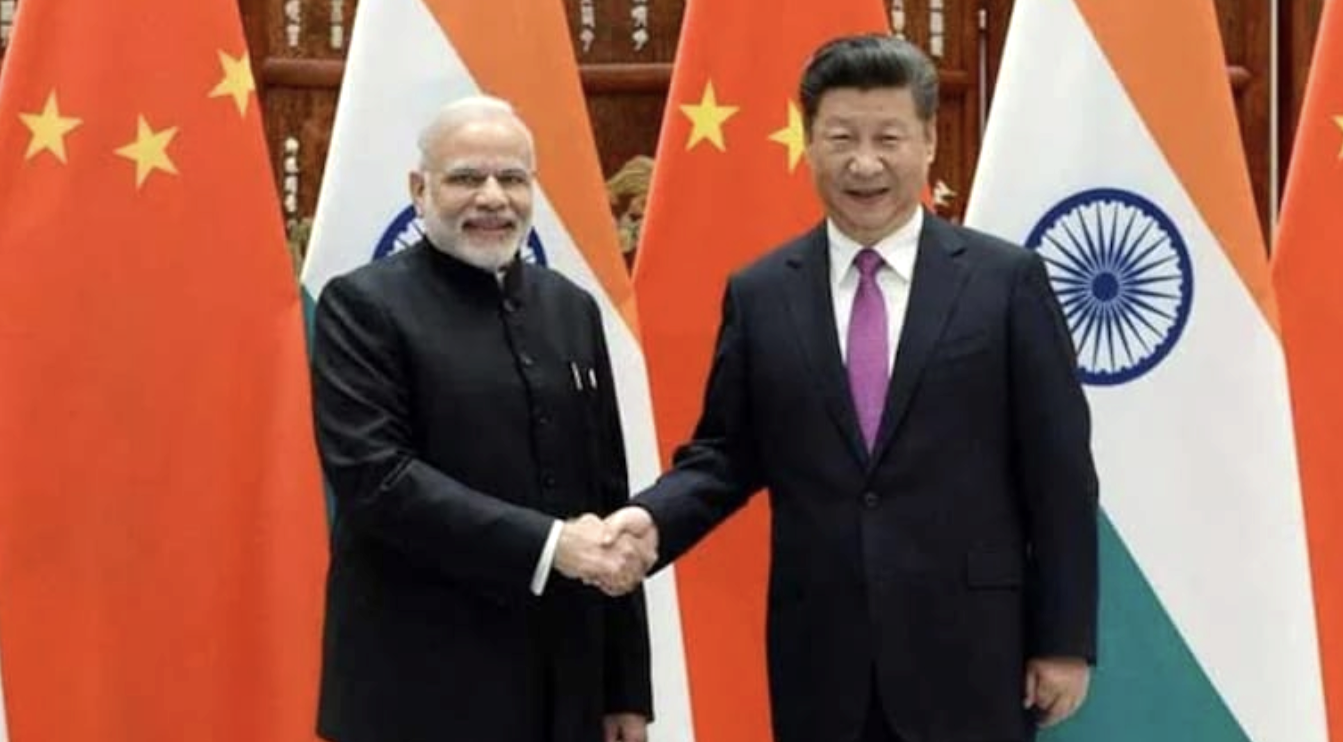
Following the US imposing a 50% tariff on Indian goods, citing India’s continued purchase of Russian oil, China surprisingly voiced strong support for India, condemning the US action as “tariff abuse” and bullying. India has strongly condemned the US actions, calling them “unfair, unjustified, and unreasonable” and emphasising its sovereign right to make right decisions. Further it may be noted that the USA is still to levy these tariffs which have been postponed from 9th July, 2025 to August 1, 2025, and finally to be levied on 27 August 2025.
The unexpected turn of events, driven by shared opposition to US trade policies, has sparked speculation about a potential realignment in the complex India-China relationship, often characterised by rivalry and distrust. China, emerging from its own trade issues with the US, is probably seeing an opportunity to form a united front against perceived American protectionism with India and even attempting to pull India away from its developing partnership with the US. India has criticised China’s past trading practices, but given the US’s pressure, India could be drawing closer to China and Russia in order to explore new economic opportunities and partnering with other BRICS countries. India may want to promote a multi-bi-polar world order and assert sovereignty. India’s dependence on Chinese supply chains, as well as its border conflicts with China, are major impediments to a genuinely aligned and trustful relationship.
While it is probably unrealistic to think of India and China as close allies tomorrow, it is clear that the tariffs from the US created a unique situation where both nations have the potential to engage in more dialogue and possible cooperation on several issues – particularly those that pertain to global trade and economic sovereignty. Whether any convergence around this common ground will lead to further changes in the nations’ relationships over the long haul remains to be seen and will likely be contingent within the context of their complicated relationship and the changing global environment.