
By Srijita Chakraborty
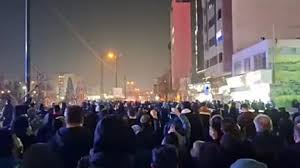
Iran has seen a marked rise in anti-government demonstrations on Thursday as protest rallies escalated across Iran, leading to a nationwide shutdown of the internet as the Iran government steps up its crackdown on protest actions. The Iran protests, which initially started as a result of Iran’s economic downturn and a drop in its currency, have now turned out to be the biggest challenge to Iran’s clerical government in years.
By the Human Rights Activist News Agency (HRANA), at least 46 cities in 21 provinces were reported to have protests, such as major centers such as Tehran and Mashhad as well as some Kurdish provinces. Closures of the market were reported in parts of Kurdistan, West Azerbaijan, Kermanshah, and Ilam provinces indicating the broadening base beyond the major cities.
According to HRANA, at least 42 people have lost their lives since the beginning of the protest on December 28th. At least 13 protesters have lost their lives on Wednesday alone, according to Iran Human Rights, an Iran-based NGO, with headquarters in Norway. The arrests have also escalated, with over 2,277 in custody, including university students and minors, according to the news outlet.
NetBlocks, an internet monitor, also verified that the country has been under an internet blackout. NetBlocks referred to the shutdown as part of the “escalating digital censorship that has limited communications at such a critical juncture.” Shutdowns happened before tougher measures were taken previously.
This blackout earned the ire of an Iranian crown prince living in exile, Reza Pahlavi, who called for mass protests and urged the leadership of the West to stand with Iranian citizens. US President Donald Trump also made threats regarding the “severe action” his country will take should Iranian authorities continue targeting demonstrators with killings.
The unrest began with a strike at Tehran’s Grand Bazaar after the rial plunged to record lows and has since grown into a nationwide movement, reflecting deep public anger over economic hardship and political repression.