
By Gitika Sharma
The U.S. Justice Department’s long-awaited release of documents gleaned from its investigations into the Jeffrey Epstein case is returning the world’s attention back to one of the biggest abuse scandals in many years. Officials say the release is a crucial step forward in transparency; lawmakers, survivors and civil liberties advocates say it continues to diverge far from what was promised and what’s legally required.
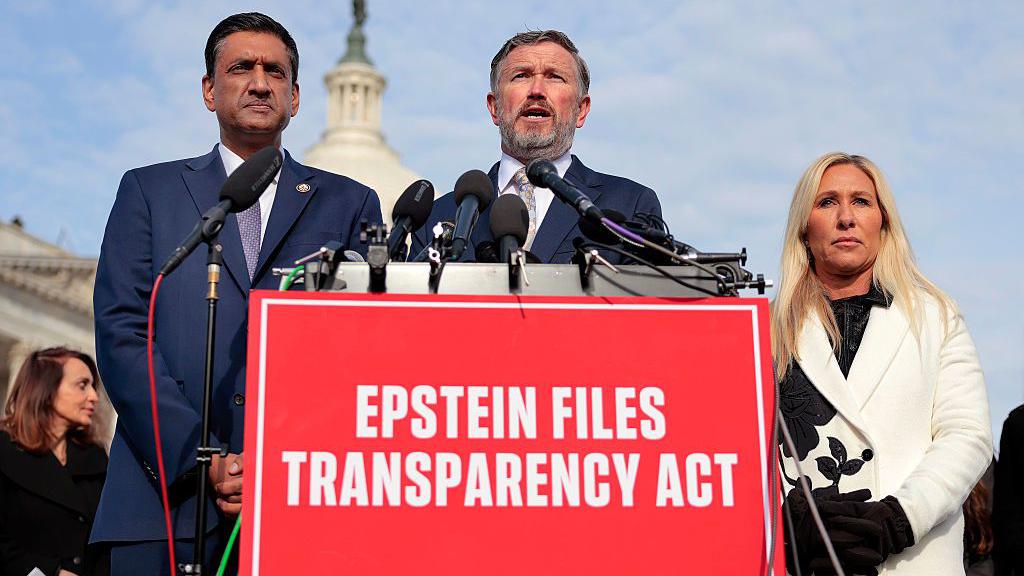
The documents appeared under the recently passed Epstein Files Transparency Act, a bipartisan statute intended to explain how Epstein’s case and the network that allowed his crimes to occur were handled. The initial release consists of thousands of pages of court documents, investigative documents, photographs and internal communications about Epstein and his longtime associate Ghislaine Maxwell. But that material has been heavily redacted, entire pages blacked out and key names obscured.
That has in turn induced rare bipartisan pushback in Congress. Senior lawmakers have criticized the Justice Department for its selective disclosure and have added that partial transparency erodes public confidence. Others have contended the law mandates that all unclassified material be disclosed, not just a certain number, and foresaw legal or legislative action if comprehensive disclosures are delayed.
Survivors of Epstein’s abuse have vented anger and expressed disappointment. They obscure some glaring systemwide failures that let Epstein evade accountability for years–advocacy groups say–by decisions in prosecutors’, law enforcement departments’ and wealthy figures in his social network. The hope of transparency to many of his victims had less to do with exposure than with recognition, accountability and institutional transformation.
Allegedly, some files and photos were also temporarily removed from public access and then reinstated to the public domain, sparking questions about political sensitivity and editorial discretion while releasing such materials. Full disclosure has been called for on both sides, and previously featured names in Epstein-related reports are in circulation once again, another sign that there isn’t any kind of ideological slant toward the issue.
The Justice Department has said it has justified its decision, and redactions aim to protect the identity of the victims to follow court orders, not get in the way of the current legal process. Authorities have also said releases will take place and the news is the first step in the process.
As public interest grows, the Epstein files have again returned to the forefront. They are reminders of the unresolved issues of power, privilege and justice. Whether there will be actual transparency before there are real results in coming weeks–or protracted, bitter legal squabbles– will determine whether this episode merits the title of breaking point or just another lost opportunity in the Epstein case.