
By Janhvi Ahuja
The latest announcements of the budget introduced a rather exciting news for the citizens of India. It announced that there will be lowered taxes for Indian middle class citizens, especially for those people who are earning above the new threshold.
India being the world’s fifth largest economy, has decided to bring certain changes in its tax policies and has taken measures that are aiming towards building on domestic demands. Not only this, it is also focusing on clearing the uncertainties of the economic outlook across the globe due to potential imposition of new tariff barriers.
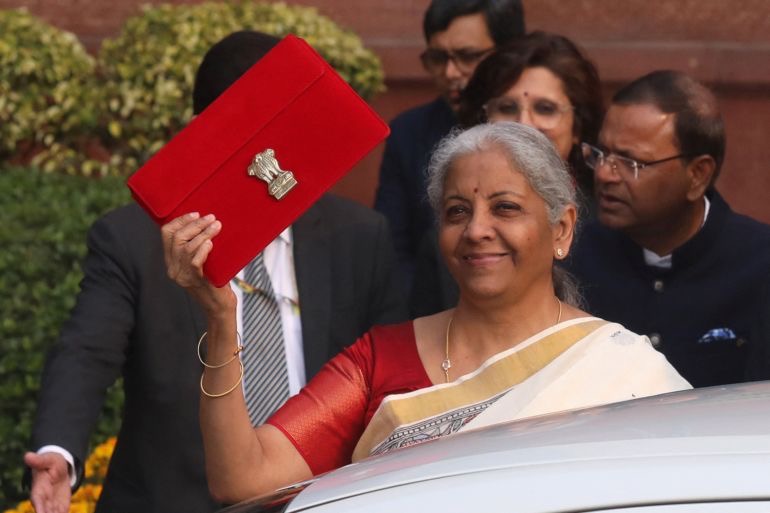
Nirmala Sitharaman, the Finance Minister of India, mentioned that, “The news structure will reduce taxes on the middle class and leave more money in their hands, boosting household consumption, savings and investment.”
On this account, the Reuters news agency reported that this initiative will result in an annual 1 trillion rupee to Treasury Reserves. The agency also added that the world’s most populous country might be reporting its slowest fiscal growth that has happened over the last four years. This can be due to the weak private investment, fragile urban demands and persistent and stubborn food inflation.
Nirmala Sitharaman also added that the budget for the duration of 2025-2026 will also include benefits for the farmers as it will host measures that assist the poor, youth, farmers and even women.
When asked about the tax cut, Sakshi Gupta, an economist at HDFC Bank told the Reuters reporters that, “It is likely to spur consumer demand and savings by the middle class that has faced challenges from elevated inflation and lower income growth.”
Apart from this, the government is also trying its level best to increase productivity and efficiency across the agriculture sectors of the country by implementing a nationwide programme to push forth high-yielding crops and emphasize on the cultivation of cotton products as well as pulses.
Sitharaman also said that this program aims at targeting at least seventeen million farmers and focuses on raising the limit subsidized credit offered to the farmers for $3,460 to $5,767. The government has also dedicated itself to take action upon registering India’s gig workers and easing their accessibility to healthcare needs and treatment. Sitharaman said that the gig workers will be provided with identity cards and will be helped and encouraged to partake in welfare initiatives.