
By Janhvi Ahuja
Pune: The U.S. Food and Drug Administration (FDA) has authorized Apple (AAPL.O) to implement a hypertension detection feature on select smartwatches, as stated by the health regulator in a statement released late on Friday.
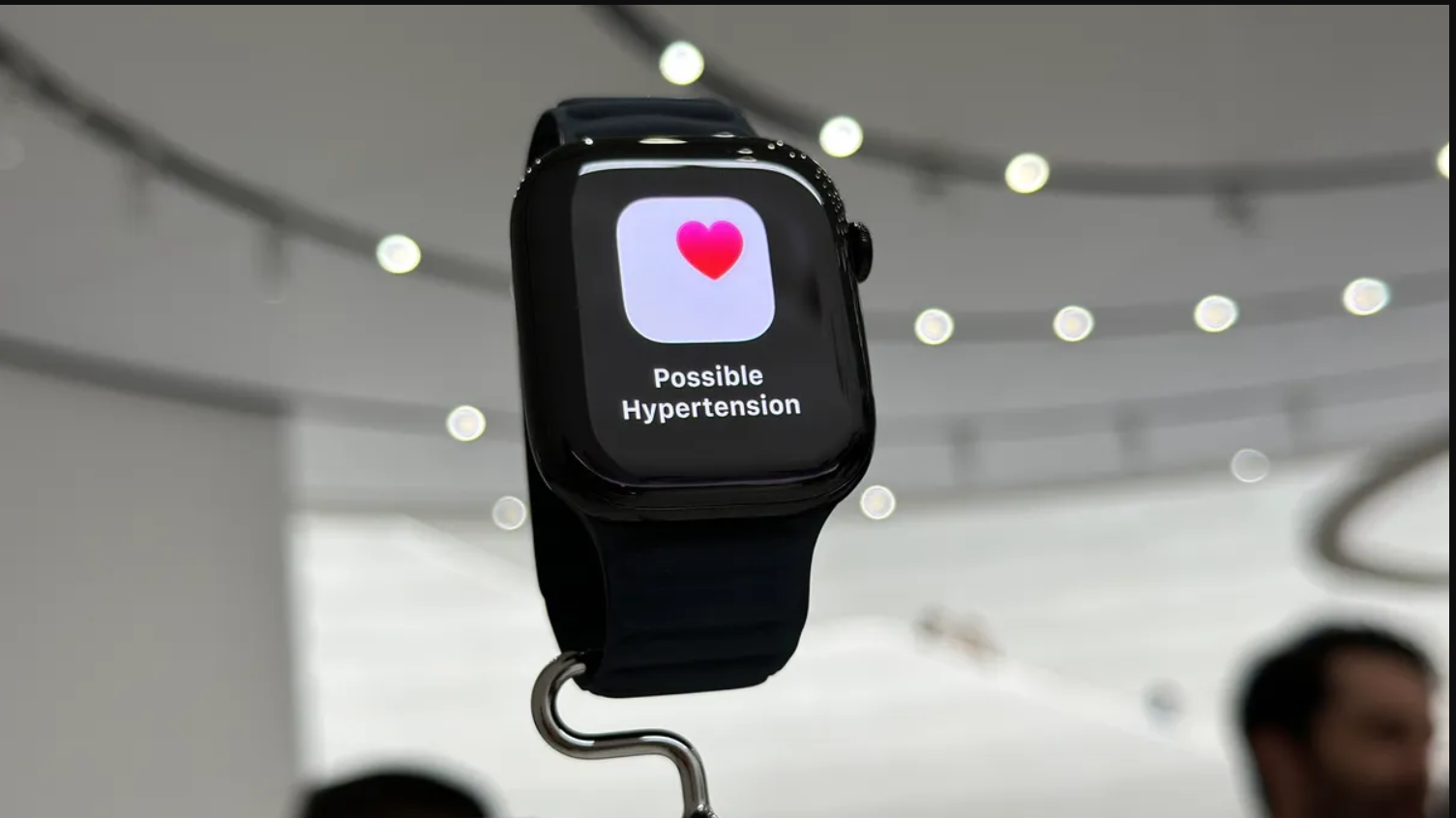
During a September 9 event, the company introduced a blood pressure monitoring capability in its latest Apple Watch, alongside a refreshed lineup of iPhones, which includes a more streamlined iPhone Air. Apple also announced that the new hypertension notification feature will be accessible on the Apple Watch Series 9, Series 10, Series 11, as well as the premium Ultra 2 and Ultra 3 models, all before the end of September.
This feature, which is anticipated to be launched in 150 countries and regions, including the United States and the European Union, utilizes the optical heart sensor to assess blood vessel reactions to heartbeats. Hypertension is the primary modifiable risk factor for heart attacks, strokes, and kidney diseases, affecting around 1.3 billion adults worldwide, as stated by Apple in a press release.
Functioning passively, the algorithm analyzes data over 30-day intervals and notifies users if it identifies consistent indicators of hypertension, according to Apple.
The approval for the Apple Watch feature was derived from a collection of studies that included thousands of adults. In one particular study, over 2,000 adults who did not have hypertension wore the watch for 12 hours daily for nearly a month, while also measuring their blood pressure with a cuff twice each day. The findings indicated that the hypertension notification from the Apple Watch was equally precise as the cuff in identifying indicators of elevated blood pressure.
Nevertheless, the company noted that this feature may not identify every instance of high blood pressure, but it could potentially alert around a million users.
The FDA, is a U.S. government agency that operates under the Department of Health and Human Services, tasked with safeguarding and enhancing public health. Obtaining FDA approval guarantees that a medical device complies with stringent standards for safety, efficacy, and reliability, thereby protecting patient health and building confidence in healthcare technology.
This regulatory approval indicates that the device has been subjected to comprehensive testing, clinical validation, and post-market monitoring, thereby minimizing the risks of harm due to inaccurate results or malfunctioning operations.