
By Srijita Chakraborty
The United States has stated that its ties with both India and Pakistan “remain unchanged,” despite the mounting tensions following President Donald Trump’s announcement of additional tariffs on India over its trade ties with Russia. Simultaneous development in ties between Pakistan and the US with agreements to develop oil reserves draws attention to the growing energy ties between Washington and Islamabad.
The US had announced a 25 percent tariff on India on August 1 in an expansive list of duties released by White House that Washington will impose on exports from countries around the world. This has been made effective from August 7 along with an and an additional penalty for Delhi’s purchases of Russian military equipment and energy. Trump said that they had always purchased most of their military equipment from Russia and were one of Russia’s largest energy buyers, along with China, at a time when there was widespread pressure on Russia to end the war in Ukraine. He added that these were all negative developments.
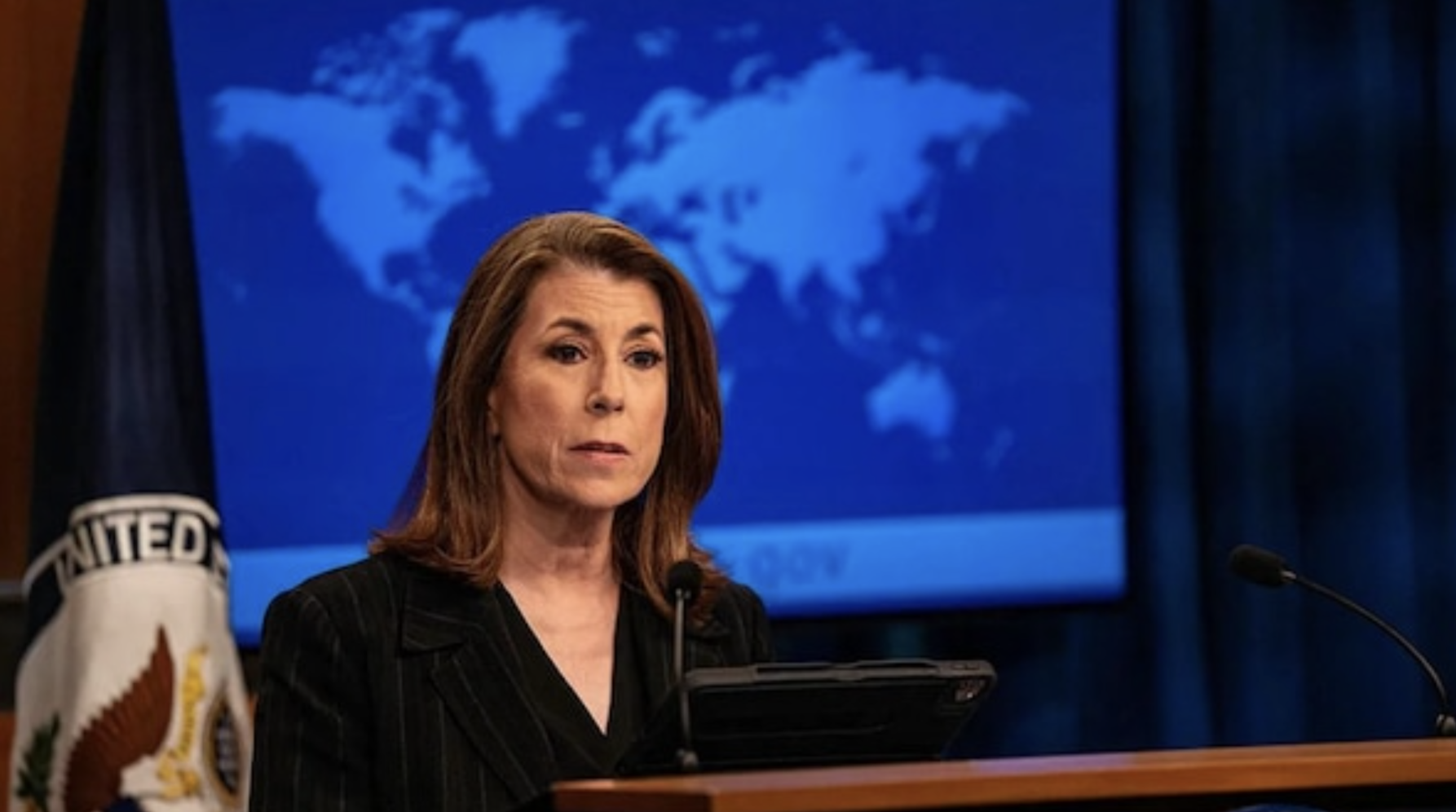
Speaking at a State Department briefing, spokesperson Tammy Bruce has emphasized that American diplomats are “committed to both nations” and that Washington’s ties with New Delhi and Islamabad are strong and balanced. “Our relationship with both nations remains as it has been, which is good,” Bruce said.
However A more complicated situation is indicated by recent events following the US statement. According to reports, while on a visit to Florida, Pakistan’s army chief, Gen. Asim Munir, allegedly threatened India with nuclear retaliation, naming industrialist Mukesh Ambani and focusing on its infrastructure. After what was reportedly a private luncheon with Donald Trump in June, this visit was reported to be Munir’s second trip to the US in less than two months.
India condemned Munir’s stance by calling them “nuclear sabre-rattling” raising concerns over Pakistan’s nuclear command structure. “The international community can draw its own conclusions on the irresponsibility inherent in such remarks, which also reinforce the well-held doubts about the integrity of nuclear command and control in a state where the military is hand-in-glove with terrorist groups,” said India’s Ministry of External Affairs. It is also regrettable that these remarks should have been made from the soil of a friendly country.
When asked if deepening US-Pakistan ties come at the cost of India, Bruce rejected the notion by highlighting the role played by the US over the years as a peacemaker between the two nations recalling how the US prevented a military escalation between India and Pakistan. “For the region and for the world, the US working with both those nations is good news and will promote a future that’s beneficial,” she said.