
Sinjini Mitra
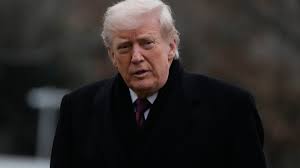
On Wednesday, the U.S. President Donald Trump renewed his demands that Venezuela return all the assets which were seized from American oil companies, defending what he described as a “blockade” to sanctioned oil tankers travelling to or from the South American nation.
Trump pointed out decades of old nationalisation of Venezuela’s oil industry as justification for escalating pressure against President Nicolás Maduro’s government. According to Trump, Venezuelans have taken over the oil and its other resources, and it should be rightfully returned to the U.S.
First in the 1970s and later under Maduro, U.S. oil companies once dominated Venezuela’s petroleum sector before the country moved to nationalisation. Legal settlements in American firms, including ExxonMobil and ConocoPhillips, were forced out, with insufficient compensation. In 2014, an international arbitration panel ordered Venezuela to pay ExxonMobil $1.6 billion, a ruling that economists say remains unpaid.
The Trump administration’s latest actions include the seizure of an oil tanker off of Venezuela’s coast and a broader military buildup in the region. Some sanctioned tankers have already diverted away from Venezuelan ports.
The White House has increasingly framed its campaign against Caracas around allegations of trafficking of narcotics. Mr. Trump accused the Maduro government of using oil revenues to fund drug smuggling and other crimes.Stephen Miller, the president’s deputy and chief of staff, likened Venezuela’s oil nationalisation to a “heist,” calling it “the largest recorded theft of American wealth and property.”
The administration has also carried out a series of strikes on suspected drug boats in the Caribbean and eastern Pacific, operations that have reportedly killed at least 95 people. The actions have drawn scrutiny from lawmakers and legal experts, though the American president has indicated that he is considering further strikes, including on land.
Despite the president’s remarks suggesting that Venezuela has been designated a foreign terrorist regime, U.S. officials said no such formal change has been made. An administration official, speaking on condition of anonymity, said that Mr. Trump’s comments should be viewed as rhetorical and that the so-called blockade applies only to vessels already under U.S. sanctions.
Chevron, which holds a U.S. government waiver to continue limited operations in Venezuela, said its activities have not been disrupted. Venezuelan oil expert Francisco Monaldi made an observation that Venezuela’s debt to Chevron has declined since the company resumed exports to the U.S. in 2022.
Venezuela, meanwhile, has condemned U.S. actions as “piracy.” Maduro spoke with UN Secretary-General António Guterres on Wednesday, urging international intervention to de-escalate tensions. In a letter to the UN Security Council, Foreign Minister Yván Gil demanded the release of the seized tanker’s crew and the return of “illegally seized oil”.
The UN re-emphasised its call for restraint, stressing on the need for all member states to respect international law and the UN Charter.
Retired U.S. Vice Admiral Robert Murrett stated that the seizing of sanctioned tankers is far less risky than direct military confrontation. He also added that Washington would welcome free and open elections if Mr. Maduro stepped down.
As tensions rise, analysts warn that the dispute over oil assets and sanctions could further strain regional stability, even as both sides appeal to international law to boost their positions.