
By Shubhangi Chauhan
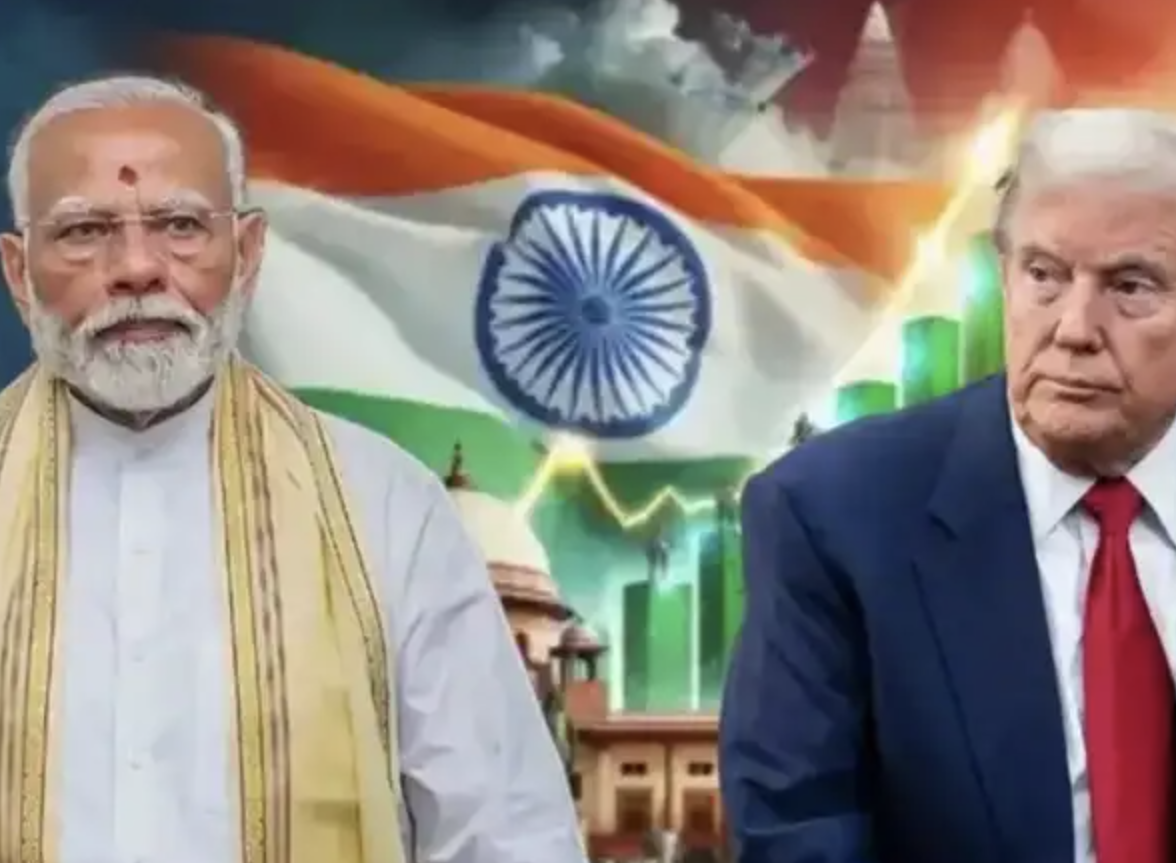
The manufacturing sector in India is in big trouble. Modi faces challenges with his make-in-India plan due to Trump’s high tariffs on Indian imports. Since August 27, the US has imposed another 25 per cent tariff in addition to the 25 per cent duty it had earlier this month. This implies that the goods of the Indians entering the US will receive 50 per cent all-inclusive tax.
The action has distressed Indian export industries and investors. Firms, such as Gokaldas Exports that supplies to US retailers like Walmart, Gap and Abercrombie & Fitch, report that their customers are already questioning whether they can transfer manufacturing to such countries as Vietnam, Bangladesh or Sri Lanka. Gokaldas MD Sivaramakrishnan Ganapathi said, “There is no business to be done at 50 per cent tariff.”
India has the most significant number of exports to the US, with an amount value of $87 billion in the past year. Although the most important commodities like pharmaceuticals and smartphone exemptions are presently enforceable, other areas like clothes, jewellery, carpets and shrimp could experience a decline of 50 to 70 per cent in sales to the US, analysts warn. Loss of $5 billion in the following seven months could accrue to the apparel industry alone.
Trump has previously criticised India as a tariff king and also accused India of buying Russian oil and arms leading to the new duties. The tariffs threaten to oppose the “Make in India” initiative put in place by Prime Minister Narendra Modi to transform the nation into a manufacturing center of the world and alternative to China unless India cuts a deal with Washington.
The newest announcement was already putting stress on some of the companies. Automotive parts giant Bharat Forge said “tariff uncertainty” as its single biggest issue at the moment. Small firms in low profitability industries are especially exposed and the action is likened to a “trade embargo” by economists at Nomura.
With a 50 percent tariff remaining longer than 2025, India could lose foreign investment due to weaker US tariffs in Asian countries, such as Vietnam (20%) and China (30%) respectively.
The Indian government has not shown whether they will reduce Russian oil imports to please Washington. Modi has also indicated that he will not settle on issues of Indian farmers and fishermen, a major negotiating point.
Although India produces less exports compared to some Asian countries, the manufacturing contribution to GDP is low at about 14 percent and is nowhere near the Modi aspirations of 25 percent by the year 2025. Other market observers think the tariffs might be a negotiating ploy and that a deal could still be struck at the end of August.
Yet exporters claim it will take years to seek new markets and it will diminish profits. “The US will always be a big market, if it gets ruled out then we are in trouble,”Ganapathi said.