
By Tannistha Dey
Bhopal, Sept 1: The most ambitious inter state project to establish a 17,000 sq km cheetah corridor between Madhya Pradesh and Rajasthan has temporarily put on hold with Madhya Pradesh forest officials stating the need to first stabilise Cheetah population with their own state.
According to the forest officials, the two states wanted to set up a corridor where the animals could move freely and the corridor covered long distance because Cheetah requires longer distance to cover.
According to chief secretary Ashok Barnwal told to Indian Express “ We have currently put the MoU with the government of Rajasthan on hold, this is to ensure that the Cheetah population in Madhya Pradesh stabalises and grows. Only after this is achieved than we can move forward with the MoU.”
The proposed corridor would have spanned seven districts in Rajasthan — Kota, Bundi, Baran, Jhalawar, Sawai Madhopur, Karauli, and Chittorgarh — with approximately 10,500 sq km falling within Madhya Pradesh and 6,500 sq km within Rajasthan.
Rajasthan officials were disappointed by the delay. A high-ranking Rajasthan wildlife official stated, “We were hoping for a green signal from Madhya Pradesh in June. They told us that the MoU would not move ahead for now because of some unforeseen reasons. We have sent a follow-up communication last week and are waiting for an answer.”
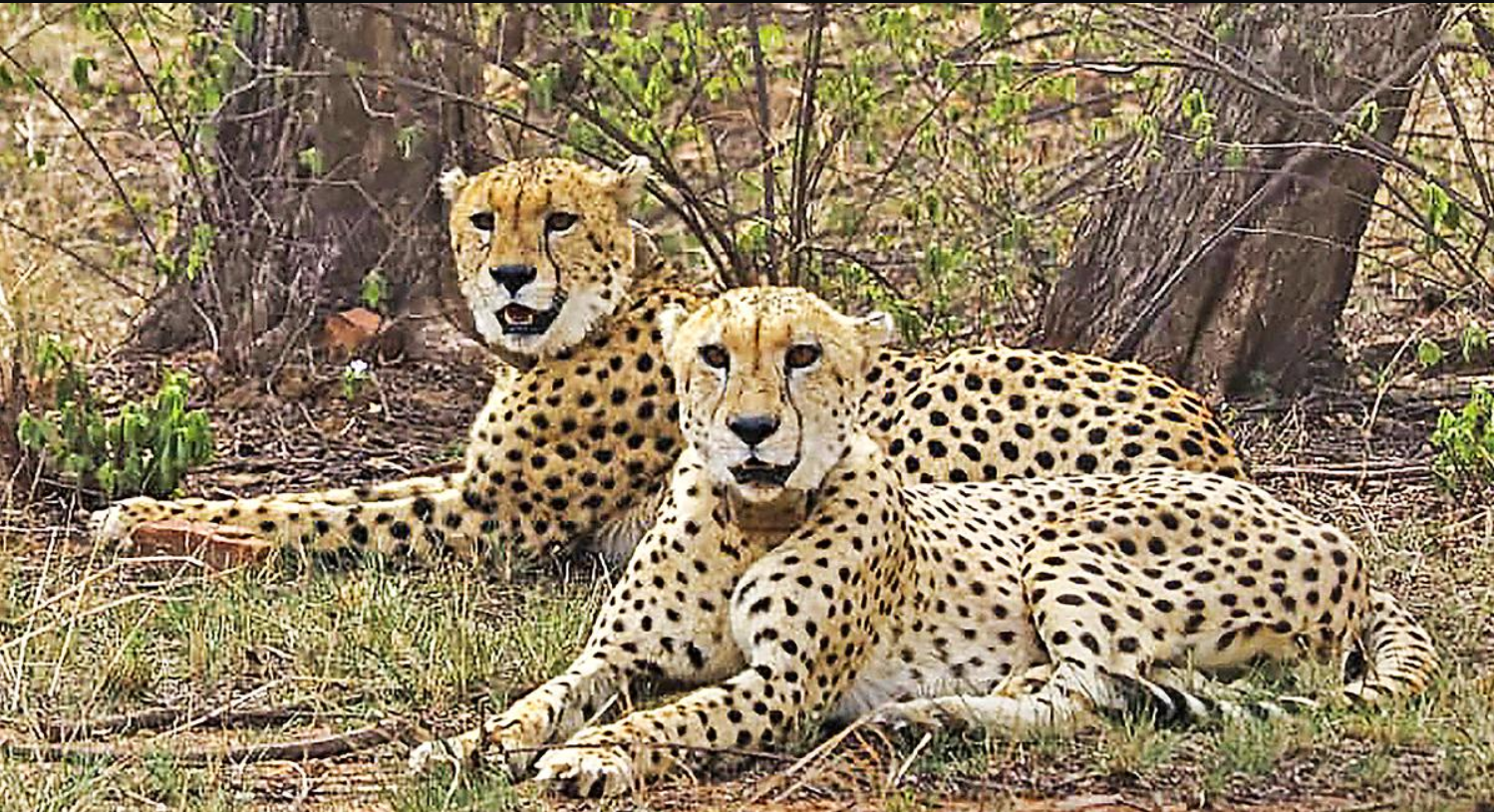
Officials within the MP Forest Department have expressed fears that once cheetahs are let out of their native habitat, they might not come back, making conservation a big challenge. The worry comes after recent cases in which cheetahs released in Madhya Pradesh defected into Rajasthan. Most recently, on August 12, a female cheetah, Jwala, was saved from Kareera Kalan village in Sawai Madhopur district after she was surrounded by a huge mob and had to be tranquilised.
“Cheetahs are free-ranging animals by nature, and the long-term plan is to have them spread into other landscapes — like the way tigers spread under Project Tiger. But at this juncture, we must first create a strong cheetah population in MP before allowing wider dispersal,” said a senior MP wildlife officer.
The cheetah corridor initiative formed a part of the overall plan under India’s Cheetah Reintroduction Programme, starting with the relocation of African cheetahs into Kuno. Conservationists have also noted that the success of such a programme isn’t just based on the number of animals but also on prey availability, trained staff, and safe corridors for migration.
Although the inter-state corridor is still a long-term project, both state officials recognised that in the meantime, the emphasis will be on localised safeguarding and population development.