
By Nityanjali Bulsu
The government has given a much-needed relief to consumer goods companies by allowing them to print revised MRPs on unsold stock after the recent changes in GST rates. Manufacturers, packers and importers can now relabel old inventory with new prices, instead of throwing away huge amounts of packaging material. They can continue to use existing wrappers and packaging material until December, which the industrialists were pushing for.
The new relaxation ensures that goods already produced can be sold without unnecessary delays, while consumers will still see the benefits of lower prices.This decision comes after repeated appeals from companies, who said they would face major losses if inventories with pre-printed MRPs had to be discarded. Some industry officials even warned that packaging material worth over ₹2,000 crore could end up wasted.
Executives from major brands said they are working on ways to pass on the benefit of lower GST rates to customers. “We want to make sure consumers get the full tax benefit through cheaper pricing, but we also need to manage it in a cost-efficient way,” said Mayank Shah, Vice President of Parle Products. Dairy giants like Amul also admitted there would be challenges in making the reduced prices visible right away, but it plans to use advertisements and discounts to reflect the cuts even on old stock.
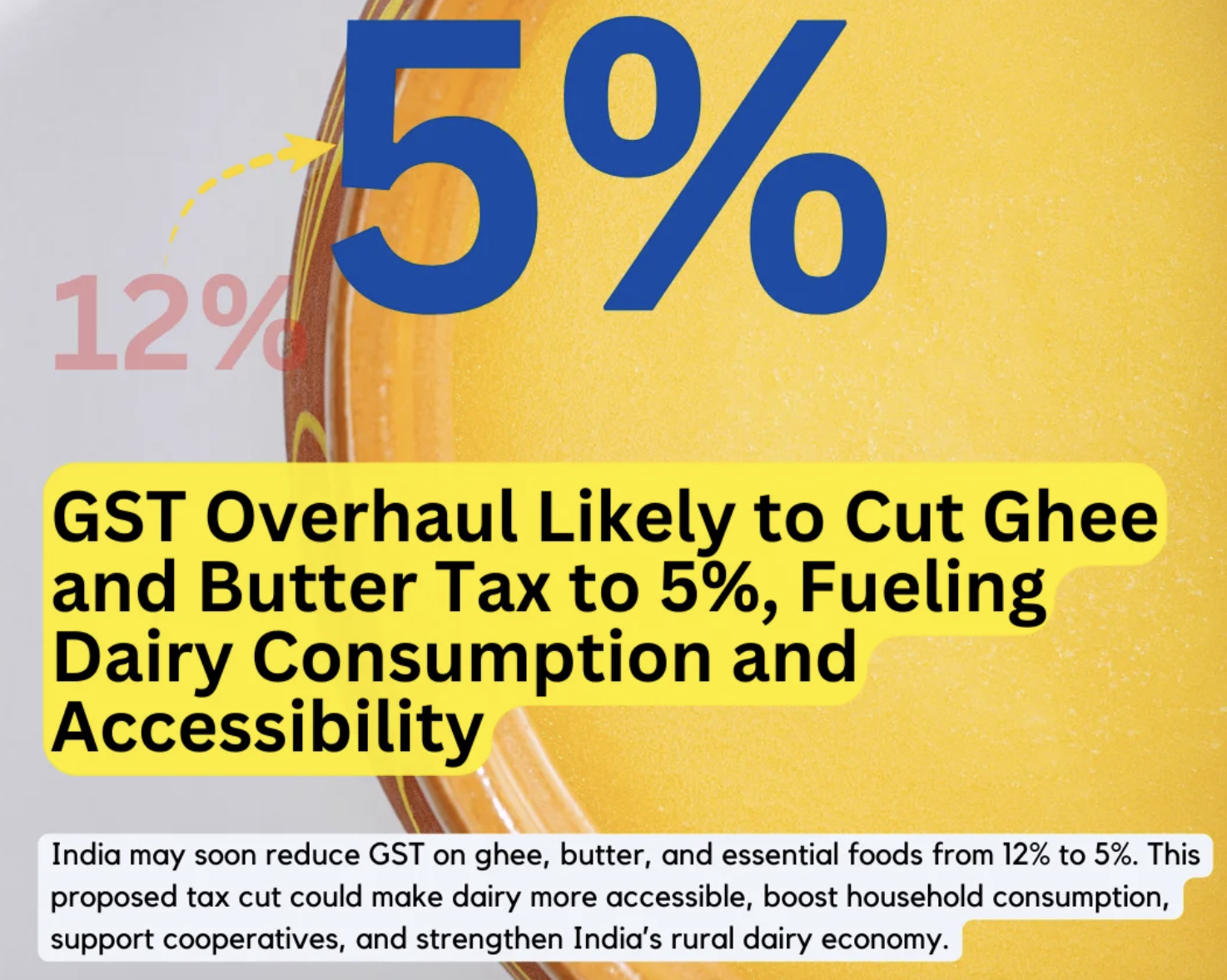
The revised GST structure has sharply reduced duties on many consumer items. For example, taxes on butter, cheese and other confectioneries have been cut from 12% to 5%. Similarly, chocolates, biscuits, cornflakes, coffee, ice-cream, bottled water, soaps, toothpaste and hair oil have shifted from 18% to just 5%. However, some essentials like detergents and a few cosmetics will continue to be taxed at 18%.
The Central Board of Indirect Taxes and Customs (CBIC) believes that higher consumer spending, as expected after these price cuts, may help balance out the government’s revenue losses. “The key is that companies must pass on the benefits to the customers,” Sanjay Agarwal, Chairman of CBIC, said during the NDTV Profit GST Conclave held shortly after the new GST 2.0.
Overall, the move has been welcomed as a practical step that helps both businesses and consumers. Companies avoid wastage, and customers will eventually see cheaper prices on shelves, though the transition may take a little time.