
By Mahi Jain
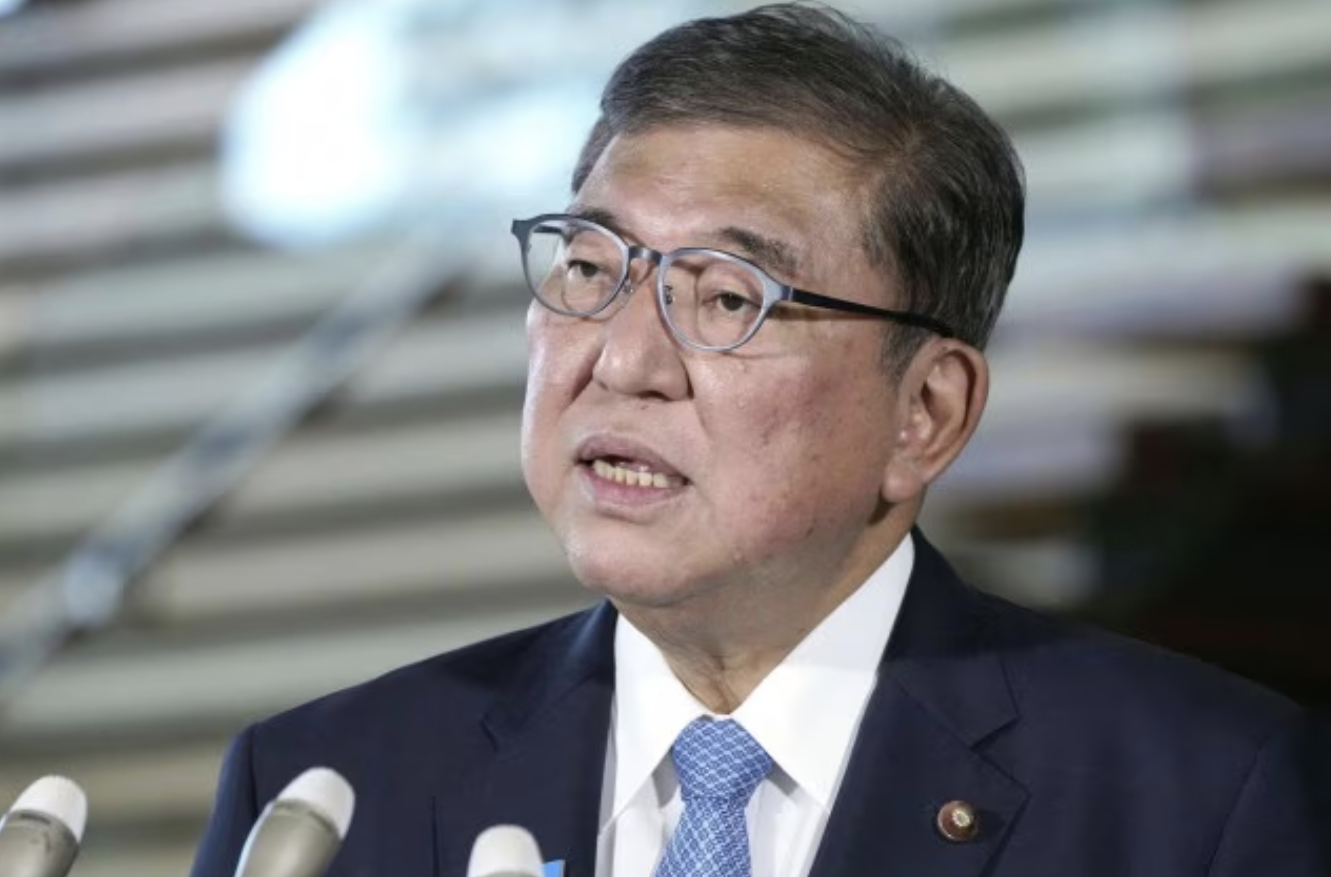
In a sensational development, Japanese Prime Minister Shigeru Ishiba on Sunday resigned as the country’s head as well as the President of ruling Liberal Democratic Party (LDP). The step comes less than a year after he took office last October, and after the LDP suffered a meltdown at the parliamentary polls in July, losing its majority in both chambers.
Under mounting domestic pressure and mounting calls from party camps for a change of leadership, Ishiba told reporters he was assuming responsibility for the failure. “I did my best, including completing the tariff agreement with America. But I also have to confess that I could not restore the political trust. The time is now ripe for new leadership,” he told a news conference in Tokyo.
Ishiba’s absence means that a slice of the LDP cake is due to a hoard of contenders and is likely to be cognized by the month of October. The Senior Bureau Chief operates from the Ministry of Internal Affairs and Communications and is balanced out with the Minister of Foreign Affairs. Motegi’s shadow is Cultivator Missing the a New Party’s Governance of the Economy. Analysts suggest that the country’s uncertain politics and party’s reputation stand to undergo severe transformations alongside the results.
The announcement sparked an immediate response from the markets. Concerns about unstable policies caused the yen to drop to its lowest point in over a year, trading at about 148 yen to the dollar. However, rumours that new leadership might provide new economic stimulus caused Japanese stocks to rise. The fact that bond yields stayed high highlighted investor prudence.
A seasoned politician with a reputation for knowing how to implement policies, Ishiba was elected on a platform of reform pledges but found it difficult to keep his party stable after funding scandals and public disenchantment. His exit highlights the difficulties the LDP is facing in regaining the trust of the electorate while operating without a parliamentary majority.
Ishiba will take on a caretaker role for the time being until his successor is selected, a move that may signal a sea change in Japanese politics.