
By Ira Deshpande
The Pakistan Cricket Board (PCB) has raised a strong objection over the role of match referee Andy Pycroft in the recent India-Pakistan clash at the Asia Cup in Dubai. PCB chairman Mohsin Naqvi has asked for Pycroft’s “immediate removal” from the rest of the tournament.
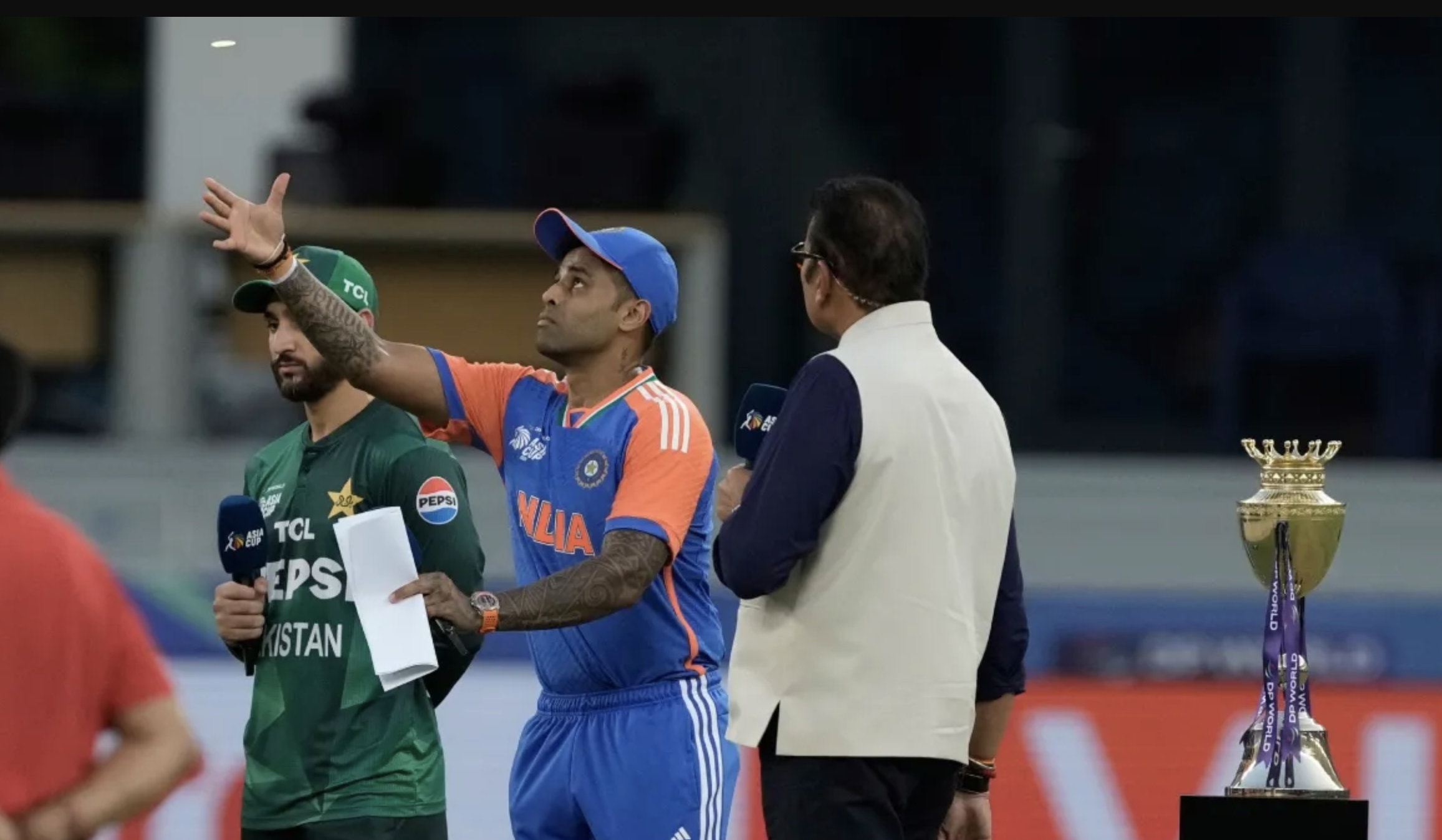
The controversy began at the toss. Reports suggest Pycroft instructed both captains not to shake hands. The PCB believes this was a clear breach of long-standing cricket traditions. Handshakes at the toss and at the end of a match are seen as part of the Spirit of Cricket.
After India secured a seven-wicket win, their players left the field without the customary handshake with the Pakistani side. This further angered the PCB. Pakistan’s team manager lodged a protest with the referee.
Chairman Naqvi has now written to the ICC, highlighting what he calls “serious violations” of the Laws of Cricket and the Code of Conduct. He said such acts undermine the game’s spirit and set a poor example for players and fans. In his statement, Naqvi also warned that politics must not enter sports.
The PCB has also approached ACC officials and raised the matter with senior ICC administrators. According to some reports, Pakistan has hinted at boycotting its next fixture against the UAE if the issue is not resolved.
The cricket community is divided over Naqvi’s position. Critics contend that the game’s reputation suffered as a result of the ban on handshakes. Neutral refereeing is essential, according to proponents of the PCB’s decision, particularly during high-profile matches between India and Pakistan.
An official response from the ICC has not yet been released. However, the incident has already eclipsed the cricket focus of the Asia Cup. There is now pressure on ICC and ACC officials to resolve the dispute swiftly.
For now, the spotlight remains not on the players but on the match referee’s decision and its wider implications.