
By Tannistha Dey
Mark Zuckerberg is going all in on smart glasses as the next big thing in tech, a vision of advancement that is front and center at Meta’s Connect conference this week. While Apple continues to hone the iPhone with thinner designs and additional cameras, Zuckerberg is selling something much more revolutionary: a device that might eventually replace the smartphone entirely.
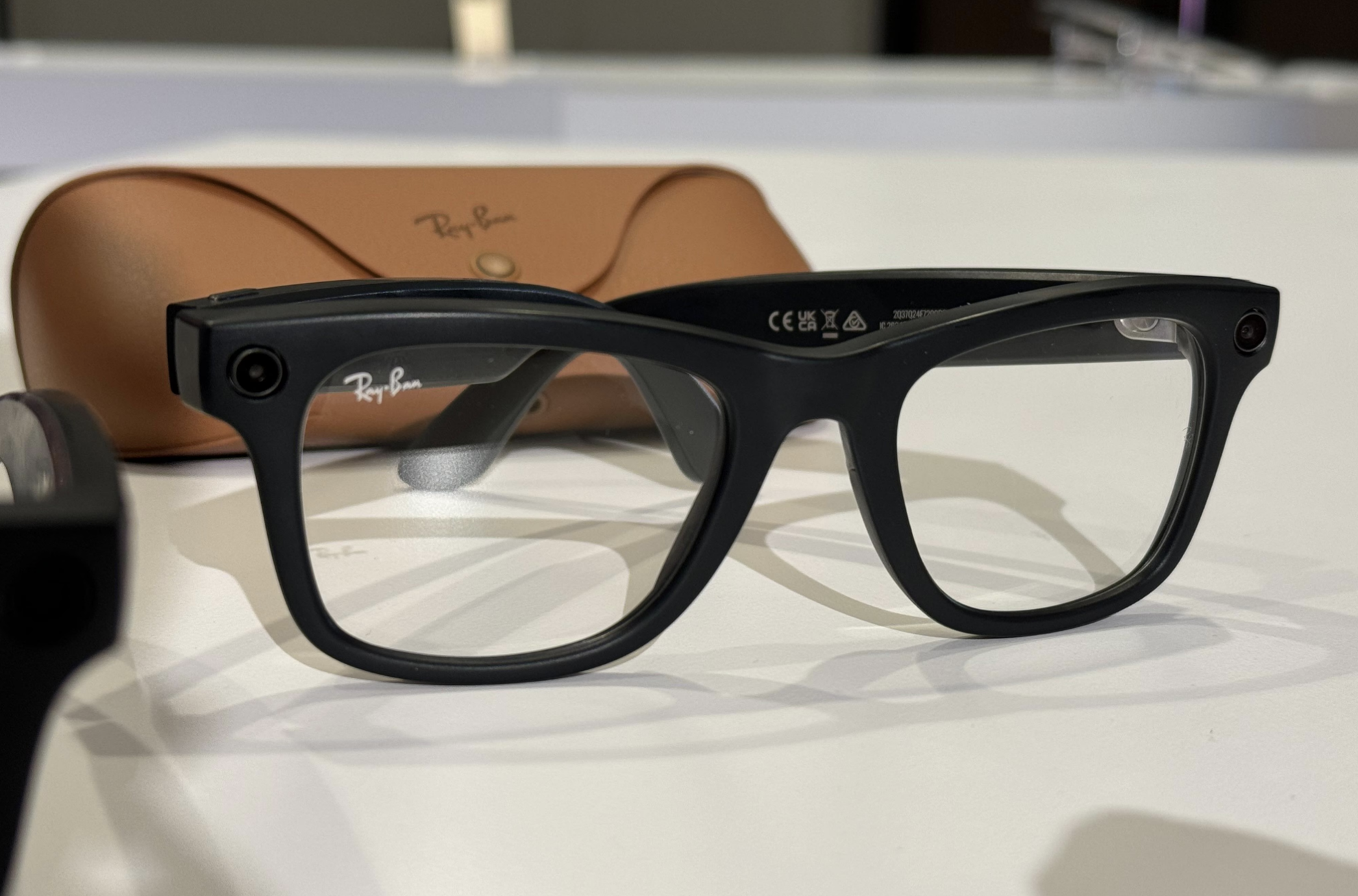
It sounds like science fiction, but with sales of smartphones worldwide slowing, Meta has a chance to nudge people into something new. Its Ray-Ban AI glasses, developed in collaboration with eyewear behemoth EssilorLuxottica, have proved to be a surprise success. The second-generation model, released in 2023, has sold over 2 million units to date, with sales more than trebling in mid-2025 alone.
These glasses are not fancy augmented reality headsets, but functional and fashionable eyewear that discreetly makes life a little better. They might translate a conversation in real time, scan objects in an aisle at a grocery store, or take hands-free photos and since they look and feel like ordinary glasses, people don’t mind wearing them.
For Meta, this is a big win. The firm has had a hard time getting hardware to stick for years, and its foray into the Metaverse didn’t quite take off as Zuckerberg envisioned. But smart glasses might help. He has already threatened that individuals without glasses that are AI-enabled will be at a “cognitive disadvantage,” highlighting how deeply he believes in this transition. To make that future a reality, Meta even acquired a stake in EssilorLuxottica, a move which indicates that this is not an ephemeral experiment but a strategic long-term wager.
The next battle is obvious. Existing Ray-Ban Meta glasses provide only audio-based feedback, whereas competitors such as Google are experimenting with built-in displays for visual data. Meta is reportedly developing fresh $800 smart glasses featuring tiny displays and wristband-based gesture control, which would put them squarely in competition with the iPhone.
The race to define the next personal device is only beginning, but Meta has gained an early advantage by blending sleek design, useful AI, and a massive retail network. The appeal lies in their normalcy as they don’t feel futuristic or intimidating, but natural, like something you’d wear every day. Whether commuting, shopping, or traveling, these glasses make technology less intrusive and more intuitive. The future of personal technology might no longer be in your pocket — it might be on your face.