
By Aarit Gupta
India, known for its vibrant architectural legacy received global recognition this week, as the UNESCO World Heritage List, officially made the ‘Maratha Military Landscapes’ its latest addition. The addition happened in Riyadh during The World Heritage Committee’s 47th Session in which 26 new sites were internationally recognised as World Heritage locations.
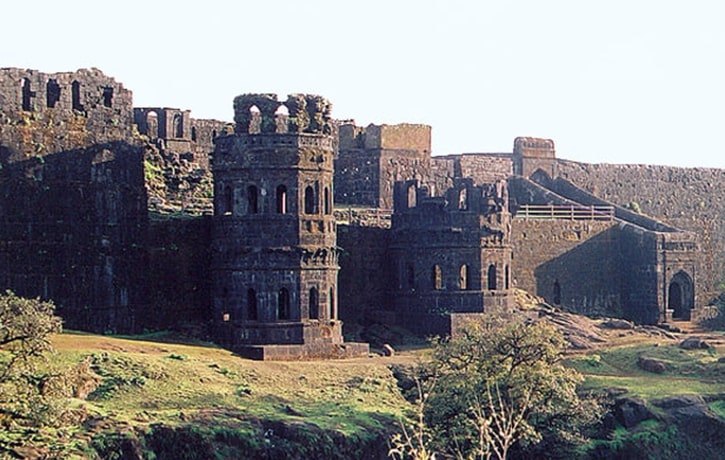
The Maratha Military Landscapes came into existence between the 17th and 19th centuries under the Reign of the Maratha Empire encompassing a network of hill bastions, coastal defenses and 12 Forts in Total. The originality of Architecture and the uniqueness of these sites display the socio-political resilience of the Maratha Rulers during a time period which was marked by Intense Conflict and Expansion.
The width of these landscapes stretch across Maharashtra and nearby states. A striking marked feature of the Maratha Military Engineering was the blend it could create by mixing strategic planning and the adaptation to Environment which can be identified and marked accurately in forts such as Raigad, Pratapgad, Shivneri, Salher and Sindhudurg.
The milestone was recognised by The Union Home Minister Amit Shah. He said, “It is a moment of immense pride for all countrymen that UNESCO has included 12 forts associated with the life of Maharajadhiraj Chhatrapati Shivaji Maharaj in the UNESCO World Heritage list. These forts have been the main pillars of protection of Hindu Swaraj and from here, crores of countrymen have been getting continuous inspiration towards their mother language and culture.”
External Affairs Minister Dr. S. Jaishankar also celebrated the International Feat as he wrote on social media, “Delighted that ‘Maratha Military Landscapes of India’ have been inscribed in UNESCO #WorldHeritage list. Developed between the 17th & 19th centuries …”
The Nomination’s significance was stressed upon by Conservation professionals as Shikha Jain, director at heritage consultancy DRONAH, explained, “It’s the first of its kind of nomination from India — 12 forts as a serial nomination of a single site representing the great fortifications legacy of the Marathas.”
However, it is important to note that the recognition not only brings pride but also responsibility as many forts face erosion, unregulated encroachment and unregulated visitor footfall. Amol Gote, who serves as the Assistant Director at the Directorate of Archaeology and Museums in Nashik, said, “It is the best thing to happen that the Maratha military landscape in India received international recognition, and Salher from Nashik is one of the forts. This has added to the responsibility of the district administration and even the archaeology department to develop the forts of the ‘family’ that fall in the buffer zone.”
India is now home to 45 World Heritage Sites, including architectural wonders like the Taj Mahal, Jaipur’s City Palace, and the Western Ghats’ natural landscapes however what is important to note is the slight shift toward emphasising regional and thematic heritage with the addition of The Maratha Military Landscapes which showcases how the nation as a whole is expanding its Cultural Footprint at Global Level