
By Paramita Datta
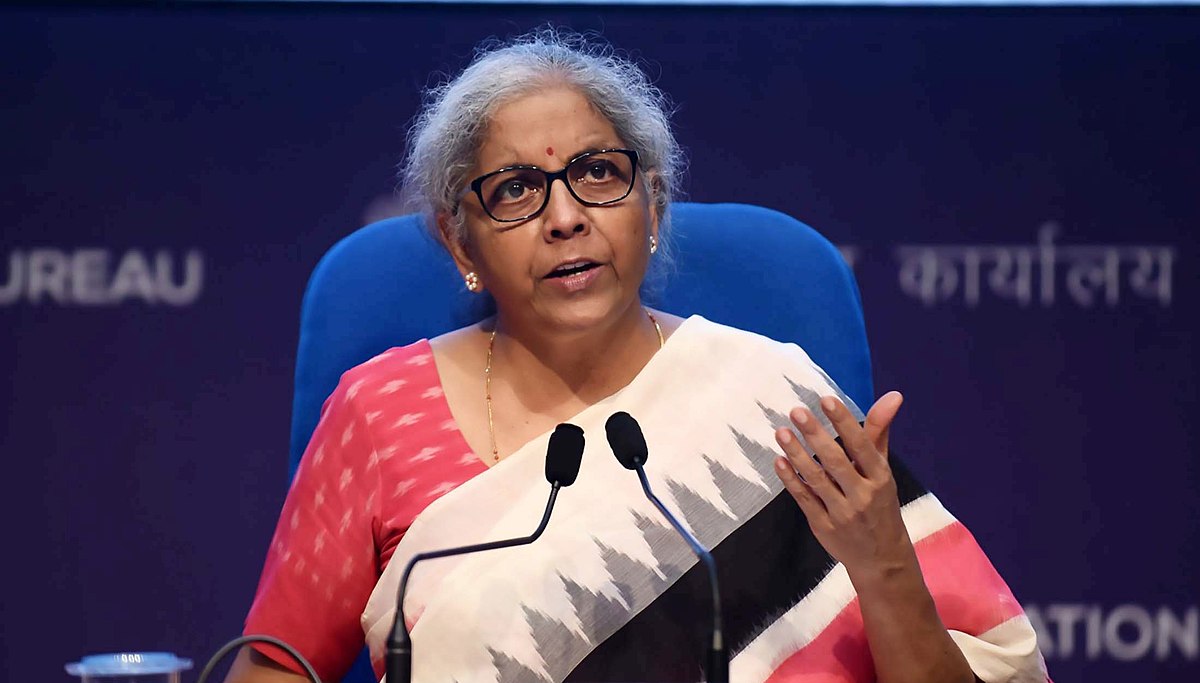
Union Finance Minister Nirmala Sitharaman addressed an event in Kolkata on September 18, 2025, stating that the next phase of GST reforms would enhance the economy by elevating demand. She remarked that the choice to enforce the revised taxes from September 22 was significantly shaped by West Bengal.
She conveyed her delight that the selection of September 22 for launching the next generation GST reforms was significantly influenced by the timing of Durga Puja. She noted that the Shubh Mangal Diwas, marking the start of the new GST regime, fell on the first day of Navratri, which comes after Mahalaya is indicating a significant impact of Bengal in the decision-making process.
There was the presence of numerous BJP leaders, such as state BJP president Samik Bhattacharya, Union minister Sukanta Majumdar, Tathagata Roy, and former MPs Swapan Dasgupta and Dinesh Trivedi in the event.
Earlier this month, at its 56th meeting, the Goods and Services Tax (GST) Council approved the next-generation reforms related to the eight-year-old indirect tax system. It set the stage for a wide two-slab framework of 5 per cent and 18 per cent, while maintaining a demerit rate of 40 per cent solely for super luxury, sinful, and demerit items. The revised tax system was revealed to be implemented starting September 22.
Nirmala Sitharaman highlighted the advantages of the Next Generation GST for diverse industries in Bengal, noting that numerous sectors, especially in handicrafts and small-scale industries, would experience lower tax rates, and that the revised framework would support local enterprises.
She also emphasised that items like Nakshi Kantha (embroidered textiles), Malda mangoes, Darjeeling tea, jute bags, hosiery, and ready-made apparel would gain directly from the changes.
She mentioned that Durga Puja was the biggest festival in Bengal and that residents of the State made significant purchases at that time. With this consideration, she noted that they had selected that date for the implementation of the new GST rates. She mentioned that this would enable individuals to take advantage of the lowered tax load during the holiday period.
The Union Finance Minister stated that GST rates for several local products and handicrafts in West Bengal have dropped from 12% to 5%. This includes Darjeeling tea, processed mango items from Malda, jute bags, leather products from Santinetakan, Purulia Chhau Masks, Kushmandi wooden masks, Madur Kathi, Bankura Terracotta crafts, Shola crafts, and Nakshi Kanta, among others. Many of these items have Geographical Identification (GI) tags issued by the Department for Promotion of Industry and Internal Trade (DPIIT), which is part of the Ministry of Commerce and Industry.
The Finance Minister expressed hope that these changes would promote growth in various sectors within the State. She noted that Bengal is known for its beautiful craftsmanship and agricultural products, and with the new tax rates, higher sales are expected during the festive season.
Ms Sitharaman remarked that the new GST reforms for the upcoming generation resulted from thorough discussions and endeavours involving all states, along with substantial input from the GST Council.