
By Srijita Chakraborty
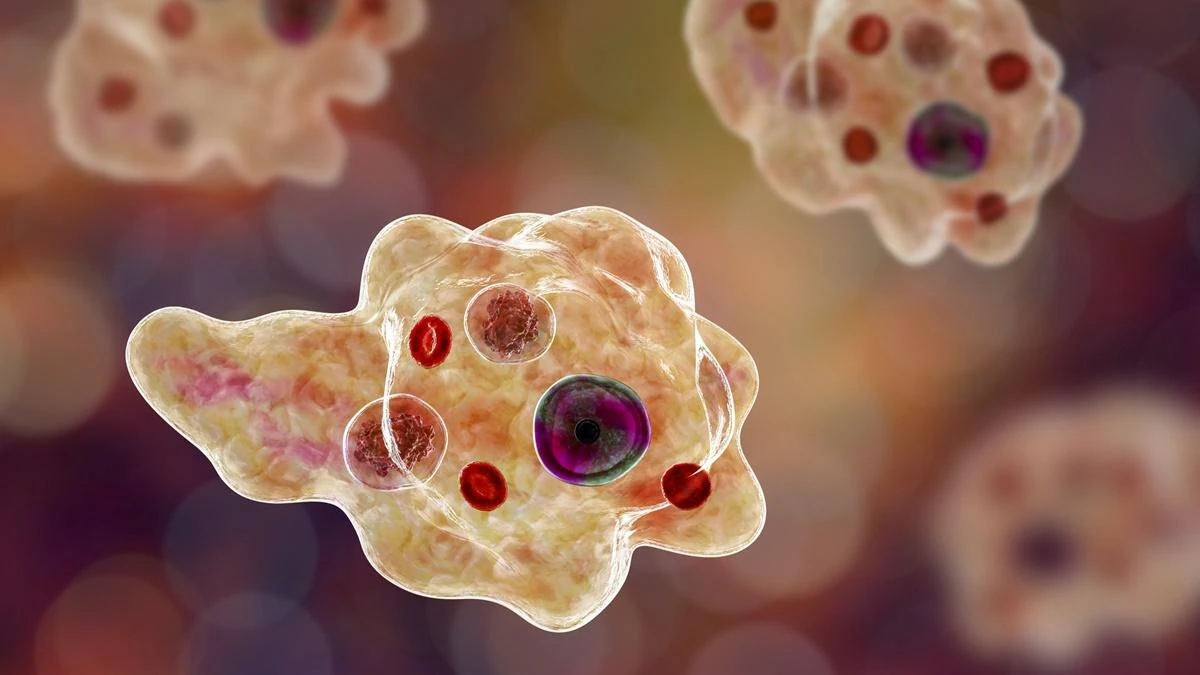
The authorities issued a health alert in Kerala due to an alarming rise in Primary Amoebic Meningoencephalitis (PAM). This results from an infection caused by Naegleria fowleri, the so-called “brain-eating amoeba,” which triggers the rare and often fatal disease. Health authorities have confirmed 69 cases and 19 deaths recorded in 2025 so far, which stands more than double last year’s toll of 36 cases and nine deaths.
What stands out, however, is Kerala’s improved survival rate. Globally, PAM kills more than 95% of patients, with death usually occurring within a week of symptoms such as fever, seizure, and confusion. In Kerala, survival has risen to about 24%, attributed to faster diagnosis, intensive supportive care, and the use of the drug miltefosine, added early to treatment alongside amphotericin B.
“This is the first time we are seeing recovery rates this high for PAM anywhere in the world,” a doctor involved in the state task force told reporters. Major initiatives have been taken by officials. These include widespread testing of water, chlorination of wells and tanks, and urging the public to avoid contaminated freshwater entering the nose.
Unlike previous years, infections this time have been scattered across the state rather than linked to a single water source, complicating tracing efforts. Kerala’s first PAM case was detected in 2016, but the current spread marks the most widespread outbreak to date.
The World Health Organization warns that while infections remain rare worldwide, fewer than 500 have been reported since the 1960s, public awareness and rapid treatment are crucial to preventing more deaths.