
By Aarit Gupta
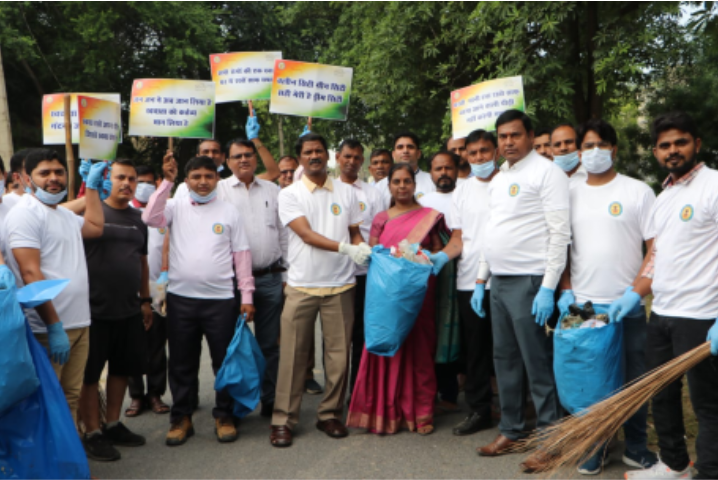
Jharkhand has started the “Swachhta Hi Seva” campaign, a state-wide drive that hopes to bring people together around one simple idea advocating for clean surroundings to make for a healthier, better life. Instead of just depending on government workers, this campaign is asking ordinary citizens to pitch in and take charge of their own streets, schools, and marketplaces.
On the very first day, schoolchildren in Ranchi were seen sweeping their classrooms and playgrounds, laughing as they worked alongside their teachers. Women from self-help groups also participated, going door-to-door in small towns explaining to families why it matters to separate wet and dry waste. A few shopkeepers have also started saying no to plastic bags, asking their customers to bring their own cloth ones. These small changes, while seeming ordinary, boost the spirit of the campaign.
Launching the programme, the Chief Minister reminded people that change cannot come from the top alone. “Cleanliness cannot be achieved by the government alone. It requires the dedication of every household, every citizen,” he said.
For many volunteers, this is not about a one-day event. Rina Kumari, a college student who joined her neighbours in a clean-up drive, said, “This is not about just sweeping roads for the camera. It is about changing how we live every day. If we make small efforts at home, the whole community will slowly follow.”
Similar stories are coming in from different districts. In Hazaribagh, a group of residents now meet every Sunday morning to clean their street. Starting from just five or six people, the turnout has now extended to the whole area.
Similarly, in Jamshedpur, shopkeeper Mahesh Yadav has stopped handing out plastic bags. “At first customers were annoyed, but now they bring their own bags. If we don’t change, who will?” he said, arranging goods at his counter.
Health workers also see hope in this effort. They say diseases like malaria and dengue spread faster when drains are blocked and garbage piles up. As one officer explained, “If we keep our surroundings clean, half our health problems will vanish.”
The state is encouraging people with school competitions, small prizes for the cleanest wards and villages, and by sharing local stories online. A standout feature is the sense of ownership people are showing. Citizens are beginning to act on their own rather than waiting for the government.
This spirit is growing, “Swachhta Hi Seva”, into more than just another campaign. It can become a way of life—proving that real change begins at home, one broom and one small step at a time, to keep our surroundings clean.