
By Krishika Dinesh Rathod
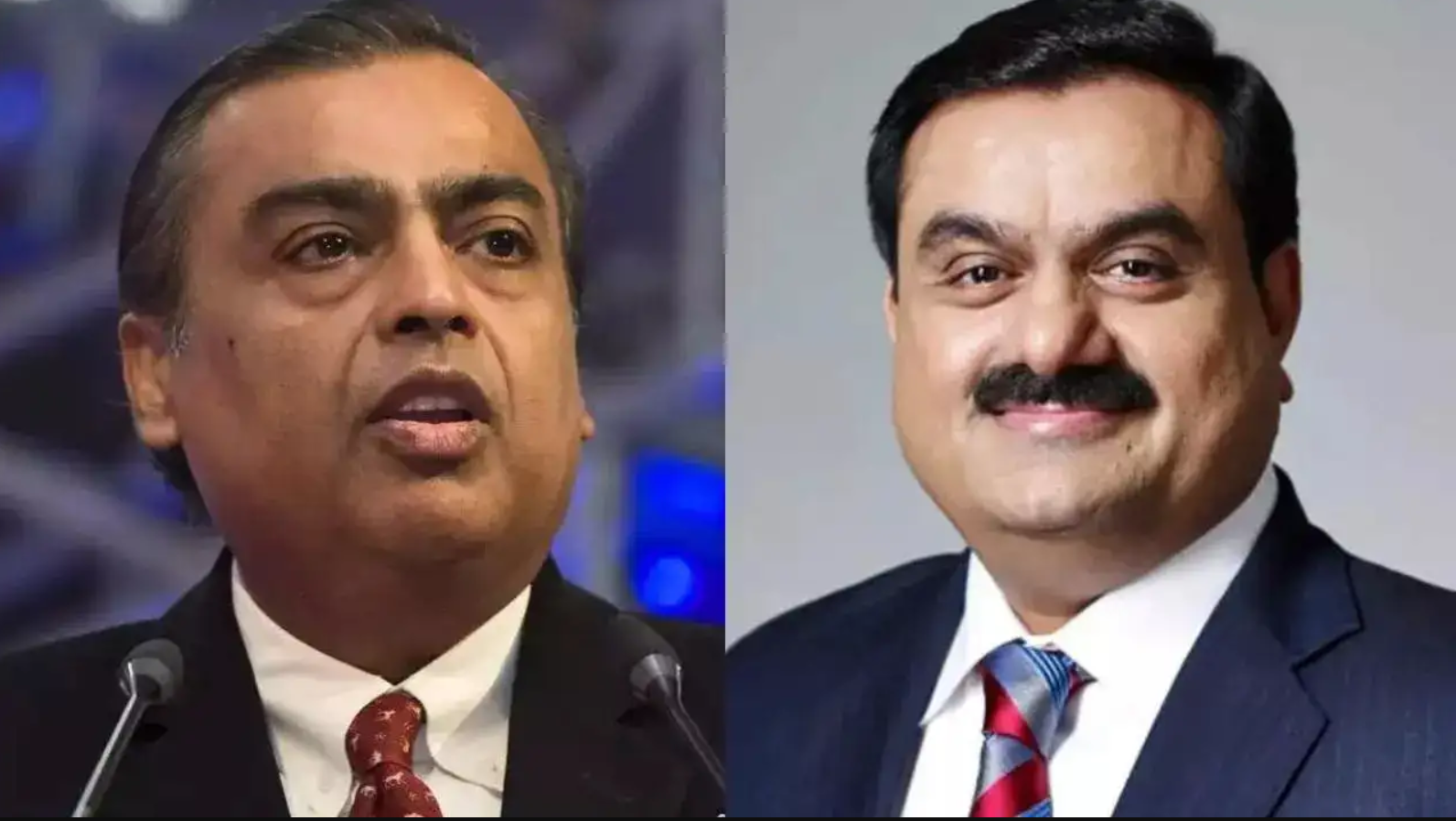
Two of India’s biggest names being Mukesh Ambani and Gautam Adani are clashing in an unusual arena: the barren, sun-scorched land of Gujarat’s Rann of Kutch. Once known for its salt desert and harsh climate, Kutch has now been converted into the hub for India’s renewable energy aspirations.
Adani took the initiative. His group’s Khavda Renewable Energy Park is spread over 538 square kilometers, almost five times the area of Paris; it is being deemed the world’s largest green energy project ever in existence. Construction started in 2022, and by February 2024, Khavda was already injecting its first electrons into India’s grid. Adani is looking at pumping it up to 30 GW by 2029, thereby preparing the ground for an even more spectacular 50 GW.
Mukesh Ambani joined the race in 2024, quite unwilling to be left behind. During Reliance’s annual shareholders’ meeting this year, his youngest son, Anant Ambani, announced plans for an even larger project. Reliance is working on a solar project that spans 5,50,000 acres or 2,225 square kilometers almost three times larger than Singapore. At its peak, the project could supply close to 10 percent of India’s electricity needs, with 55 MW of solar modules installed and 150 MWh of battery containers deployed every single day.
This is a perfect setting for such bold ambitions with its 300-plus sunshine days, windy conditions, barren lands, availability of power grids, and ports such as Mundra and Kandla. Both Reliance and Adani are betting big on green hydrogen, with Adani setting up India’s first 5 MW off-grid pilot plant.
The public sector giant NTPC has stepped into this arena as well, planning 4.75 GW at Khavda, in line with India setting the target of 500 GW renewable capacity by 2030 alongside being net-zero by 2070.
Right now, Adani holds an early-mover advantage, but with the sheer scale of Reliance’s operation, the race is just heating up.