
By Somya Panwar
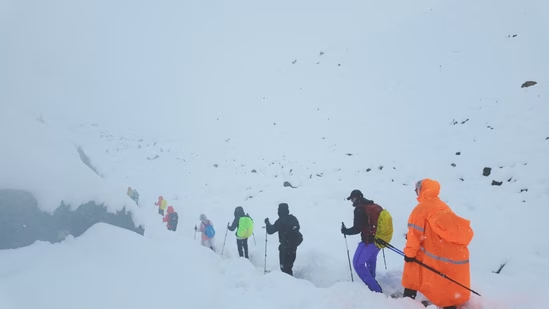
What started as a dream Himalayan trek became a night of terror and survival for almost 1,000 trekking adventurers stranded by a raging blizzard at the eastern slopes of Mount Everest in Tibet.
On Sunday, rescuers fought through knee-high snow and stinging gusts to reach stranded climbers following an unprecedentedly heavy snowstorm that swept the area, the type of weather residents describe as the worst they’ve ever seen in October.
By night, some 350 trekkers had reached safety in the tiny town of Qudang. The authorities also made contact with more than 200 others still dispersed across the mountains, Chinese state media reports said, as cited by Reuters. Scores of local villagers participated in the rescue work, cutting through snow-clogged trails and escorting people to safety.
It was that cold and wet in the mountains, and it was really at risk of hypothermia,” said a trekker who eventually reached Qudang. “This year’s weather is abnormal, even our guide reported that he has never experienced anything like this in October. In the village, we ate and were warm again at last.”
The worsened blizzard, covering the eastern side of Everest, is a heavily used trekking area and is elevated about 4,200 meters (13,800 feet). Rescue parties are still evacuating the small groups of trekkers, officials confirmed.
China’s state television CCTV has not yet confirmed if all local guides and support staff who were with the expeditions have been accounted for. It is also not certain if trekkers in the vicinity of Everest’s north face, which is accessible by asphalt road and generally busier with tourists, have been affected. A large number of them were unprepared for the abrupt storm.
The Tibetan blizzard was a carbon copy of the extreme weather in the Himalayas, with torrential rains lashing Nepal and northern India, triggering flash floods and landslides that killed several and injured many.
For those who escaped the mountains, the relief is overwhelming, but the shock remains. What was supposed to be an experience of a lifetime turned into a harsh reminder of just how quickly nature can change, even on the world’s most iconic mountain.