
By Prachi Mishra
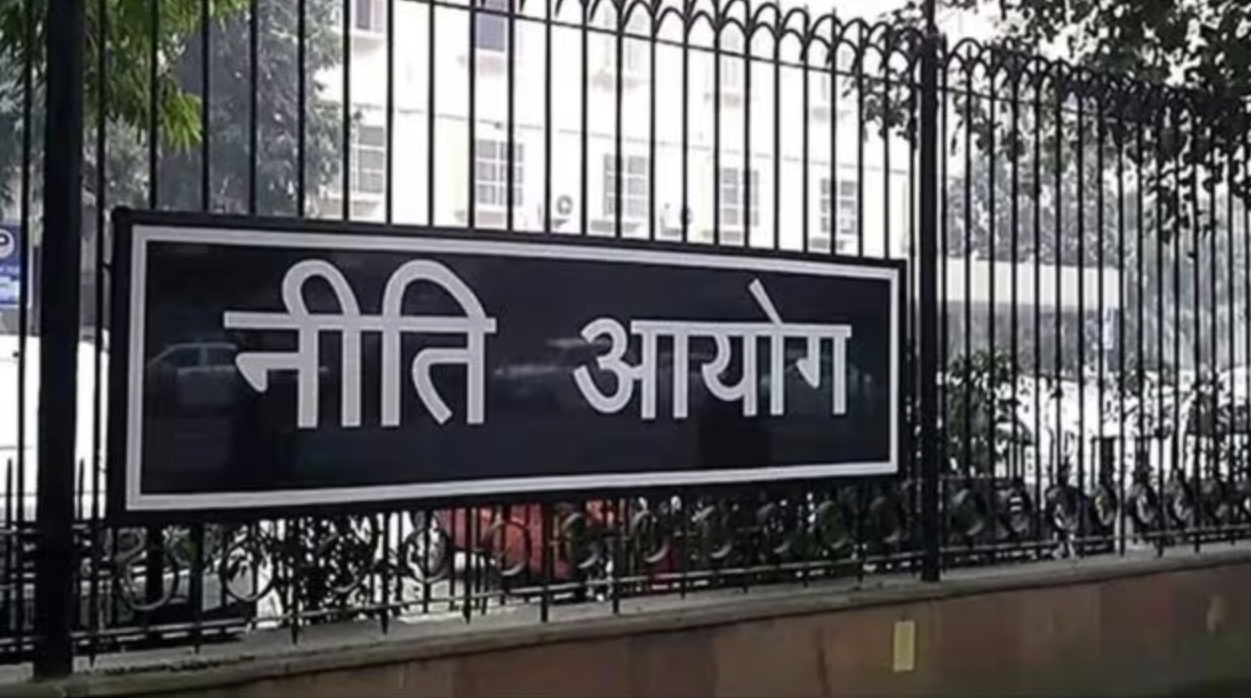
The NITI Aayog has warned that the fast-paced growth of Quality Control Orders (QCOs) through various product categories might be causing a distortion of fair competition in the local market, and the main victims are, undoubtedly, the micro, small, and medium enterprises (MSMEs). The think tank of government acknowledged that the purpose of QCOs is to meet the quality of products, safety of consumers, and banning the substandard imports, however, the smaller manufacturers are usually the ones who suffer the most from the current application of these laws.
The NITI Aayog has also indicated that the implementation of QCOs has already gone a long way in forcing the MSMEs to go through the expensive process of certification, testing, and the documentation, thus increasing their operational costs, which, in turn, leads to production delays. The small firms working on very tight margins may find themselves in the situation where their ability to stay in the market is compromised just because of the additional compliance steps.
The voice of the industry has come together with the small companies in expressing these concerns, stating that the big ones are the ones who can absorb the cost of certifying or changing to certified suppliers, whereas MSMEs are the ones who have to rely upon their small, localized, and non-standardized supply sources. They are, therefore, at the risk of getting cut off from the very supply chains that they once served.
The report called for a gradual rollout of QCO, more consultations with industry stakeholders and, above all, financial and technical assistance for small firms.
While the administration takes QCOs as a means to an end, which is the quality of manufacturing being the only standard, and the country not being an importer of goods anymore, the NITI Aayog’s viewpoint still shows that one has to take into account economic inclusiveness when it comes to quality enforcement. The other side of the coin is that the push for higher standards might either strengthen or weaken the Indian industry; thus, it should not be the case that those enterprises that are the backbone of the industry are sidelined.