
By Swastika Sahu
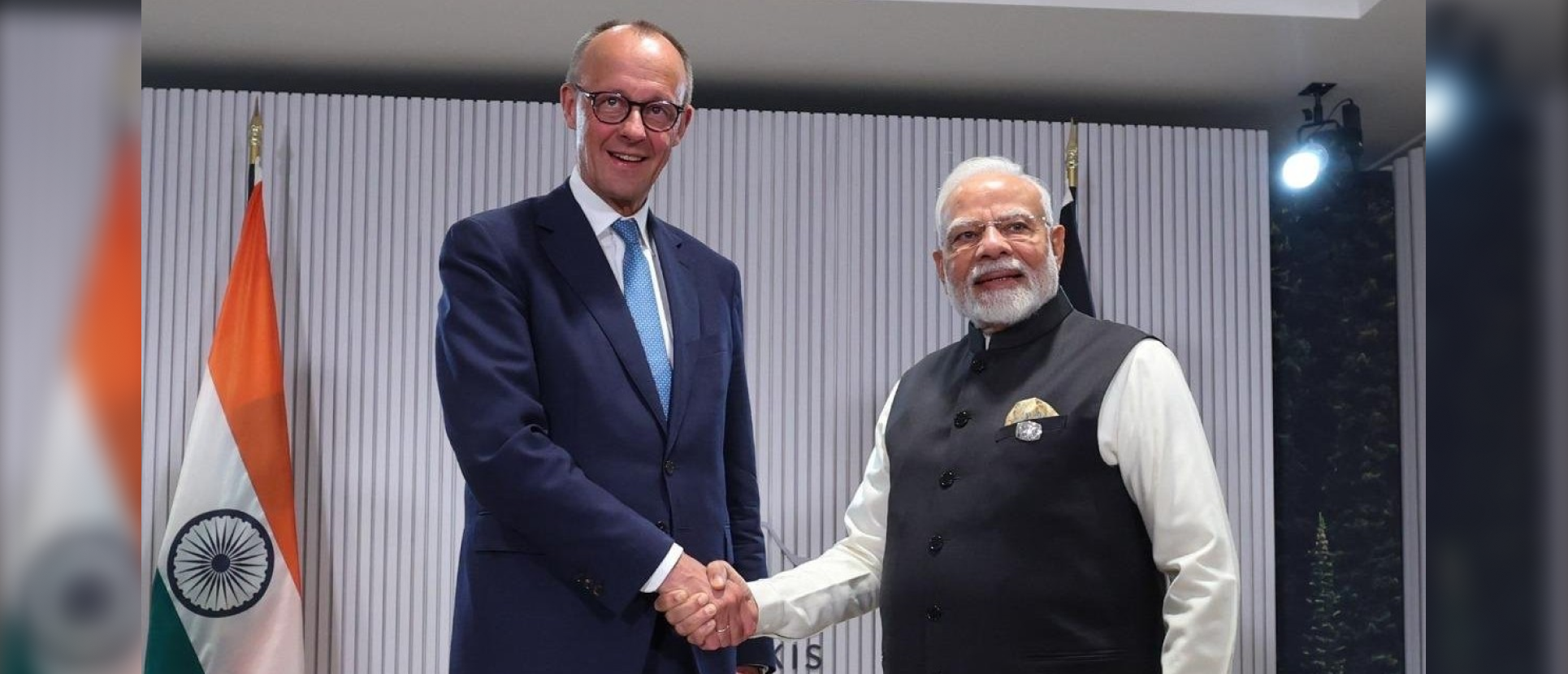
It has been revealed from the recent visit of the new German Chancellor, Friedrich Merz, to India, that the two countries have agreed to increase cooperation between them regarding medical and digital health with the new “ limitless” economic partnership that has been outlined.
This is also an important time for India as well as Germany, as it follows on from the Seventh Inter-Governmental Consultations. It also looks to the 25th Anniversary of Strategic Partnership, to be commemorated in 2025. There is also the 75th Anniversary of Diplomatic Relations to be commemorated in 2026.
The presidents appreciated the advancement made in core and frontier areas of innovation, which included digitalization, telecommunication, medical technology, and the bioeconomy as the foremost priorities.
Within the Innovation and Technology Partnership Roadmap, the partnership seeks to utilize scientific collaboration, hence turning it into health solutions, especially in the area of costs associated with poor resources.
They mentioned the expansion of the Indo-German Science and Technology Center, which has had an important role in enhancing the interaction between the industries and academia in the fields of advanced manufacturing, medical technology, sustainable production, and artificial intelligence in support of sustainability.
Prime Minister Narendra Modi stated, “We have decided to make this seamless economic partnership limitless,” at the India-Germany CEOs forum. This implies that there will now be greater collaboration in key areas in addition to traditional economic sectors.
Also, the new bioeconomy cooperation is on course and will, therefore, deliver results within genomics, 3D bioprinting, and biomanufacturing. The said technologies are gradually becoming leading areas in personalized medicine, regenerative health treatments, or advanced medical implants.
The collaboration will also extend to traditional and integrative healthcare.
The leaders reaffirmed their commitment to evidence-based, patient-centered traditional medicine and noted the agreement between the All-India Institute of Ayurveda and Germany’s Charité University with the objective of scientific cooperation in this field.
Trade between the two countries has crossed$ 50 billion, and further than 2,000 German companies have been operating in India.