
By Tasneem Bandukwala
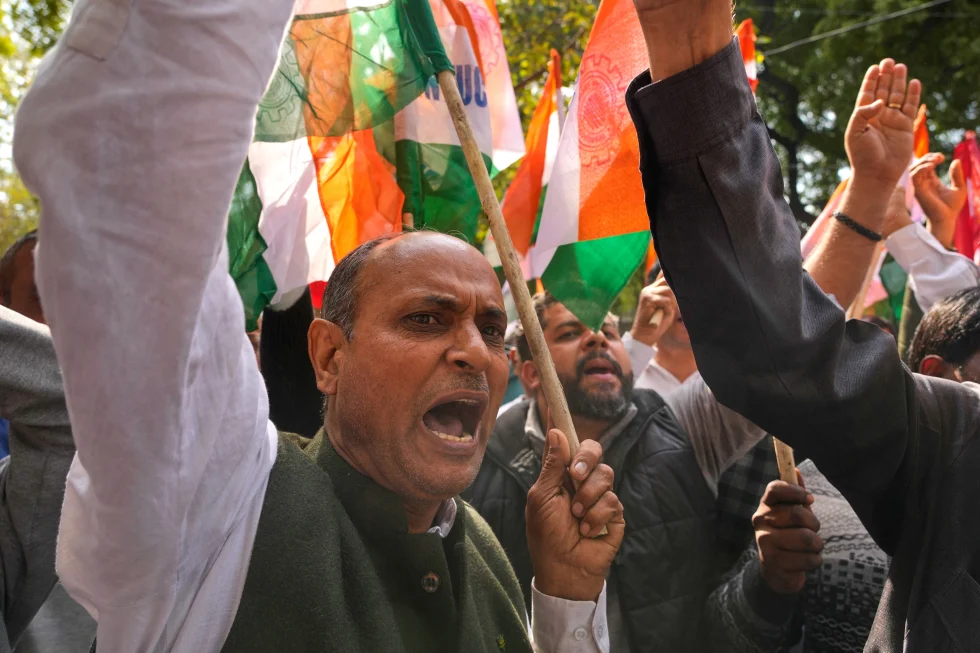
On 12th February, broad coalitions of farmers and trade union groups came together and held a nation strike and protests in many cities, against the interim trade deal between India and the US. They marched, staged demonstrations and in many places burned copies of the trade agreement to show their opposition.
India and the United States have come to a preliminary understanding regarding a new trade deal. The goal of this agreement is to bolster economic ties and lower tariffs. Under this deal, India would reduce or remove taxes (tariffs) on many US products, including some agricultural goods.
Farmers and labour groups across India are worried about what the trade deal could mean for them. Farmers fear that American agricultural products, which are heavily subsidised and often cheaper, could flow into India and undercut their own produce, which may make it harder for Indian farmers to sell at a fair price.
They also worry that small and marginal farmers may lose money or be forced out of farming if their crops compete with cheaper imports. Many protesters say that the government did not consult farmer groups before announcing the deal.
Reportedly, there has been additional confusion in the matter as the United States updated the official summary of the deal, removing certain products like pulses and changing phrases about India’s commitments, which made farmers even more uncertain about what’s included.
The Indian government responded by saying this trade agreement will help expand exports, attract investments, and strengthen ties with the US. Trade Minister Piyush Goyal said that the interests of farmers in the agriculture and dairy sectors are protected.
Opposition parties and other unions have also criticised the trade deal and the government, calling it unfair and one-sided. The demonstration has highlighted broad frustration with economic reforms ahead of some key state elections.