
By Tanisha Mohanty
The Election Commission Of India (ECI) has released the final electoral roll, with over 61 lakh deletions, following the Special Intensive Revision (SIR) exercise. This comprises 8% of the total number of voters, which now consists of 7.01 crore people after the deletion.
Prior to the SIR exercise, records included 7.66 crore enlisted voters.The final list consists of 3.6 lakh male voters, 3.4 female voters and 1,382 third gender voters. Post-publication of the roll, 1.82 lakh voters were added through Form 6 (Form for inclusion) and Form 6A (Form for inclusion of overseas electors). Furthermore, 6,671 people were added through Form 8.
The numbers dropped down to 7.08 voters after the first phase of draft publication in December 2025 owing to cases of deaths, untraceability and migration.
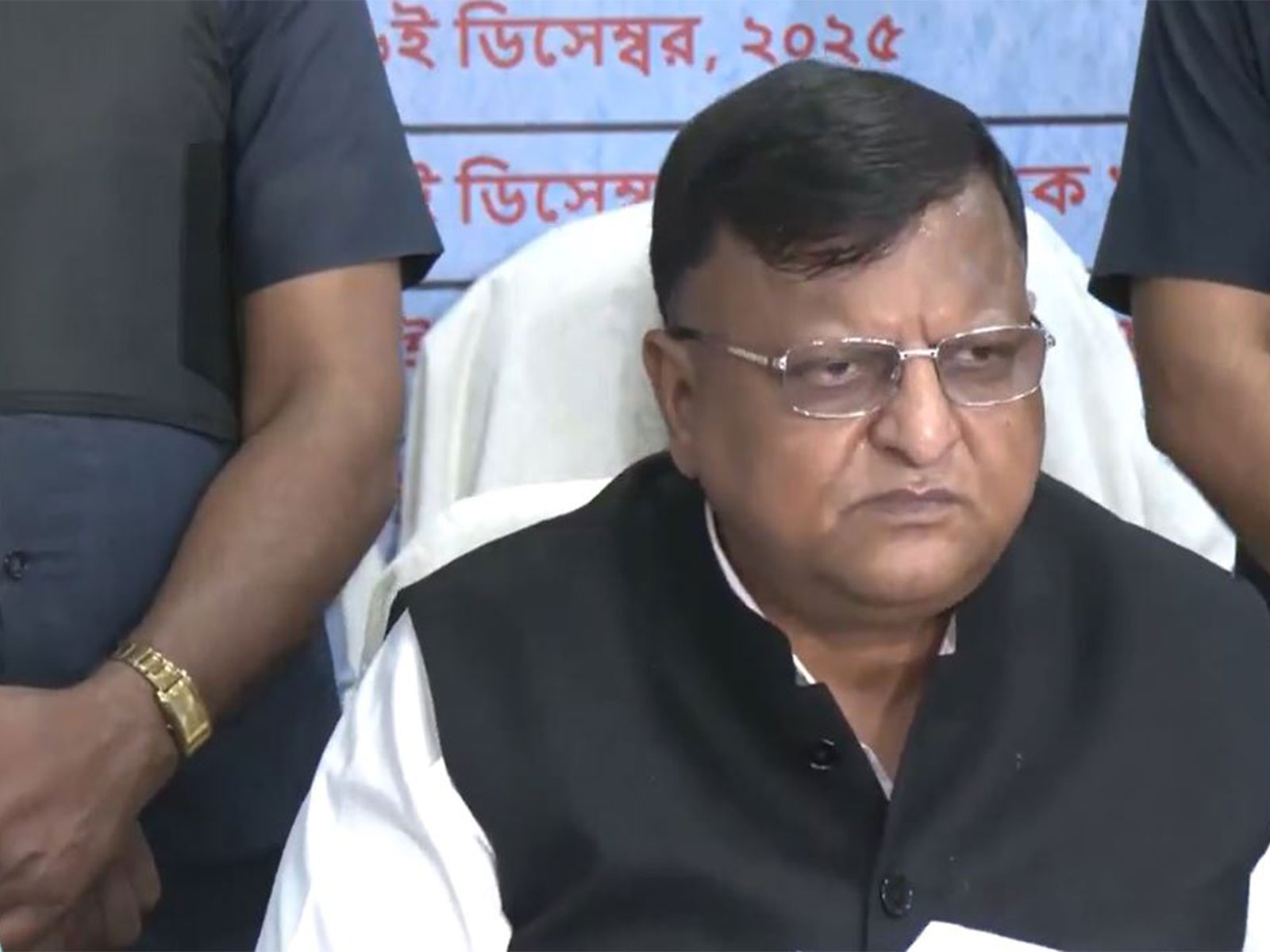
Manoj Kumar Agarwal, the Chief Electoral Officer of West Bengal, also stated that over 1.67 voters are currently undergoing adjudication because of “logical discrepancies” in enumeration forms. Out of them, 31 lakh people do not have “proper mapping”.
The SIR process in the state started in November last year, amidst political disruption, modified documentation regulations, and legal problems. Thus, the Commission took over 116 days to publish an incomplete but final list.
The SIR exercise is highly contended and controversial; the Supreme Court has expressed objection as well. In a recent hearing, the SC allowed the Calcutta High Court to summon judicial officials and assign civil judges to handle over 80 lakh objections and claims.
This follows a crucial decision by the top court to allow judiciary intervention in the SIR processes. The SC justified that there is a “trust deficit” between the Mamata Banerjee-led Bengal government and the ECI, and with the upcoming elections fast approaching, required the court’s involvement.
In anticipation of the elections, the poll panel envisioned the SIR as a statutory clean-up, the first statewide change since 2002.