
By Mahi Jain
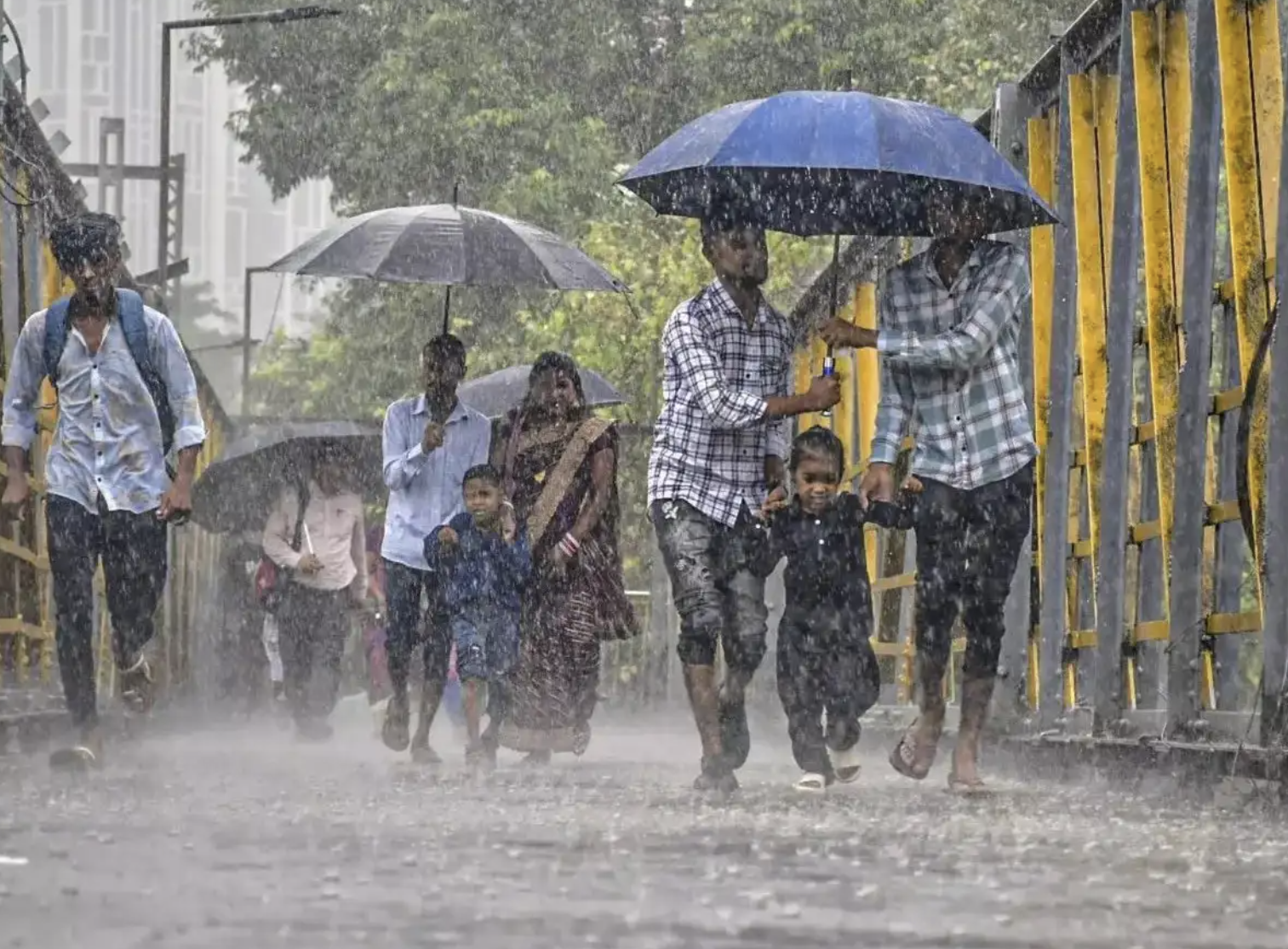
Several districts of Maharashtra are on high alert as they are facing heavy rains. Chief Minister Devendra Fadnavis is required to declare the next 48 hours “crucial” for Mumbai, Thane, Raigad, Ratnagiri, and Sindhudurg. The monsoon fury has already claimed at least six lives and displaced hundreds of people across the state.
State Disaster Response Force (SDRF) reported that over 200 people were evacuated from flood-prone regions, where Nanded and Raigad were the worst-hit regions. The Khadakwasla dam in Pune released excess water, leading to a flood-like situation in residential areas such as Ekta Nagari, where rescue operations were swiftly carried out.
Mumbai’s Transport infrastructure has been severely impacted. Waterlogging on tracks led to the rescheduling of at least 17 long-distance trains, while metro and flight services were disrupted. There were over 750 monorail passengers stranded and waiting to be rescued. Pune faced heavy downpours, crippling bus services and also leading to a halt in intercity train services to Mumbai.
The weather department issued a red alert for coastal districts, alerting to “extremely heavy rainfall” with gusty winds up to 60 km/h. In Pune, Tamhini recorded an astonishing 575 mm of rainfall in just 24 hours, whereas Lonavala saw 418 mm, leading to school closures and extensive waterlogging.
However, Maharashtrians can breathe a sigh of relief as the Indian Meteorological Department (IMD) predicted a reduction in rainfall intensity from Thursday onwards, with red alerts being replaced by yellow in Mumbai. Authorities, however, are cautious and warn of potential landslides, dam overflows, and recent flooding in saturated areas.
Maharashtra CM Fadnavis clarified that disaster response teams, including the SDRF and Army units, are on standby. “We urge citizens to remain indoors and follow safety advisories. The next 48 hours will determine the scale of impact,” he said.
Mumbai and Pune are having cleanup efforts, whereas civic bodies are also working on permanent measures, including widening storm drains and upgrading pumping stations, to prevent such massive disruption in the future.