
By Ivashree
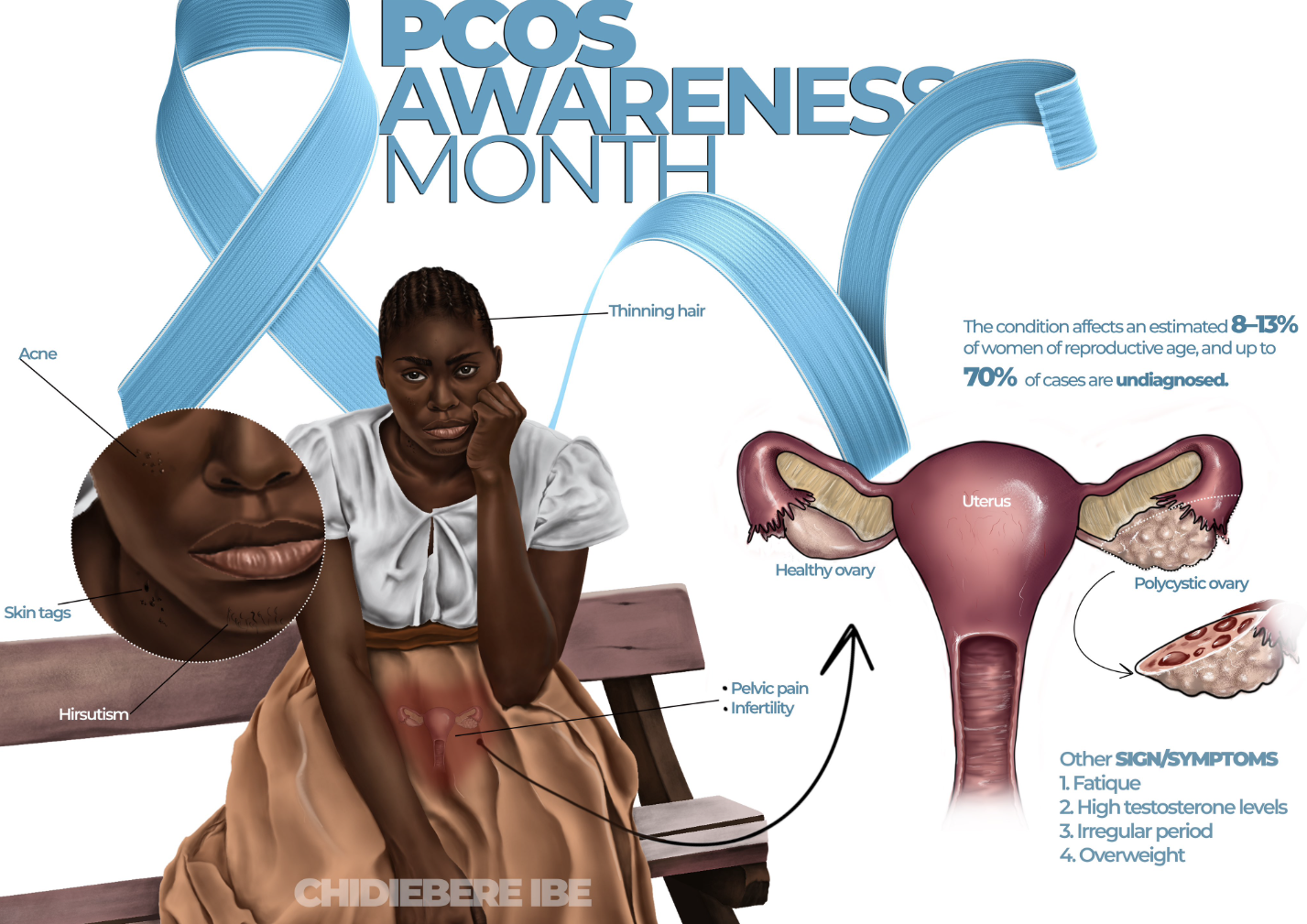
September marks PCOS Awareness Month, a timely moment to examine one of the most prevalent yet under discussed health conditions affecting women in India. Polycystic Ovary Syndrome (PCOS) a hormonal and metabolic disorder impacts an estimated 1 in 5 Indian women of reproductive age according to recent data from the Indian Journal of Endocrinology and Metabolism. Despite its prevalence PCOS remains shrouded in misinformation, stigma, and diagnostic delays.
Characterized by irregular menstrual cycles, excess androgen levels and insulin resistance, PCOS is often reduced to cosmetic concerns like acne or weight gain. But its implications run deeper affecting fertility, mental health, and long-term metabolic risks. “We’re seeing younger patients with symptoms as early as 13 or 14 yet many go undiagnosed for years,” says Dr Neha Bansal an endocrinologist based in Pune. “The problem isn’t just medical, it’s cultural. There’s a silence around reproductive health that delays care and isolates women.”
A 2024 survey by Metropolis Healthcare revealed that nearly 60% of women with PCOS were unaware of their condition until symptoms became severe. Many are prescribed birth control pills or weight loss plans without a full understanding of the syndrome’s complexity. Experts now advocate for a more holistic approach, one that includes nutritional guidance, mental health support and long term monitoring.
The emotional toll is often overlooked. Women report feeling dismissed, misunderstood or blamed for their symptoms. “There’s a tendency to medicalize without listening ” Dr Bansal adds. “We need to shift from symptom suppression to patient centred care.”
Media representation of PCOS has also lagged.
While awareness campaigns have grown globally, Indian coverage remains sporadic and often superficial. This month offers an opportunity to change that to move beyond hashtags and into meaningful dialogue.
PCOS Awareness Month is not just about statistics or treatment protocols. It’s about visibility, empathy, and reform. For millions of women, PCOS is not a niche issue, it’s daily life. And it’s time we started treating it that way.