
By Ira Deshpande
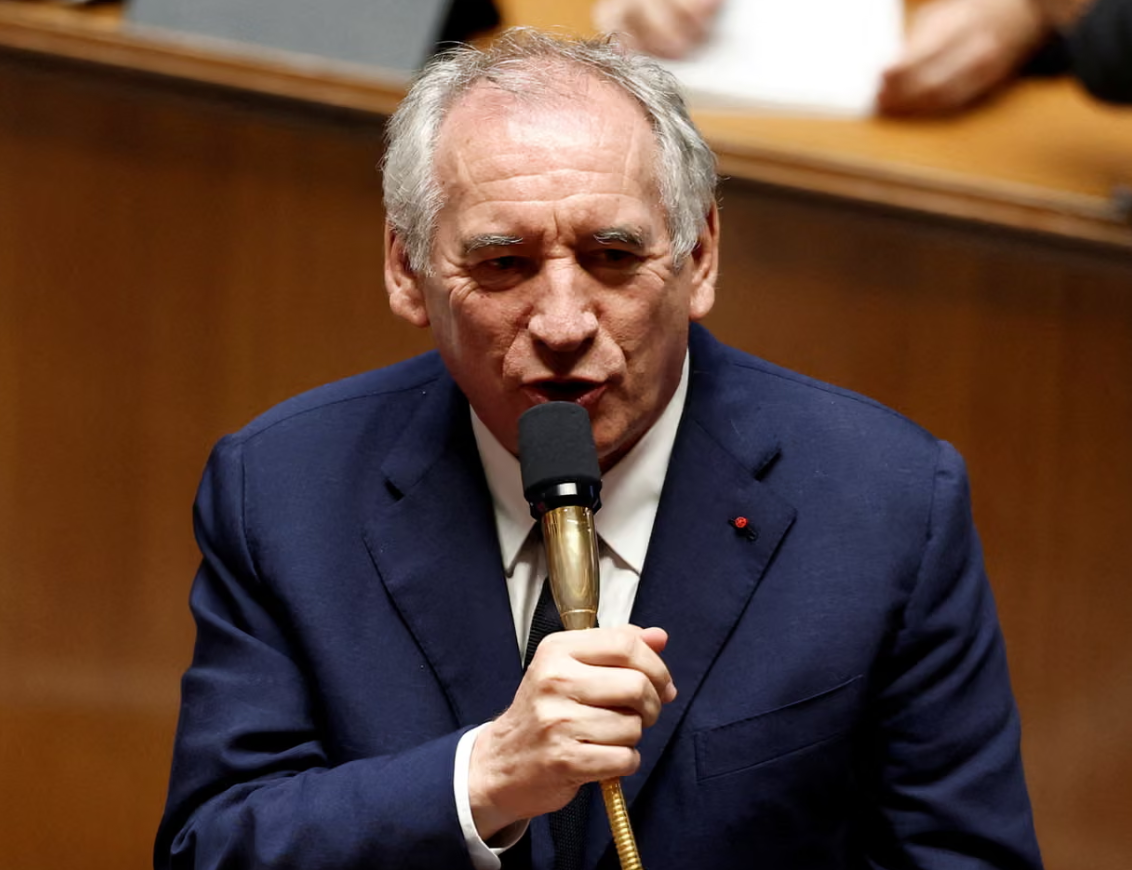
France’s government collapsed after Prime Minister François Bayrou lost a crucial confidence vote in the National Assembly. The vote ended in defeat: 364 deputies opposed to just 194 in favour, forcing Bayrou to submit his resignation on Tuesday, just nine months after taking office. It marks the second government collapse in under a year under President Emmanuel Macron.
Bayrou had called the confidence vote himself. He needed backing for a tough budget. His plan proposed sharp savings, about €44 billion in cuts, including scrapping public holidays and freezing spending, to battle soaring public debt.
In his final speech, Bayrou warned of a debt crisis that threatened France’s freedom. He said that unchecked debt would erode the nation’s freedom, remaining passive to being overpowered.
However, his message failed. Lawmakers from both the left and the far right used the vote to unify against him. Bayrou’s popularity had already suffered due to his austerity drive and other controversies, including a scandal involving a Catholic school.
Now, President Macron must select a new prime minister. This will be his third in a year and the fifth since his 2022 re-election. His presidency is struggling to gain stability amid a fragmented parliament and rising discontent.
France now grapples with serious challenges. Debt stands at roughly 114% of GDP. Borrowing costs are rising. The next prime minister will likely rely more on tax hikes, perhaps on the wealthy, than on spending cuts.
Public unrest is mounting. Protests and strikes are expected. Some opposition voices, like Marine Le Pen’s far-right faction, want snap elections now. However, Macron has ruled them out so far.
Bayrou’s fall is a major blow. His failure exposes deep political instability. It raises doubts about Macron’s ability to govern amid mounting fiscal and political pressure.