
By Mayank Kumar, Agrim Agrawal, and Nilanajana Sarkar
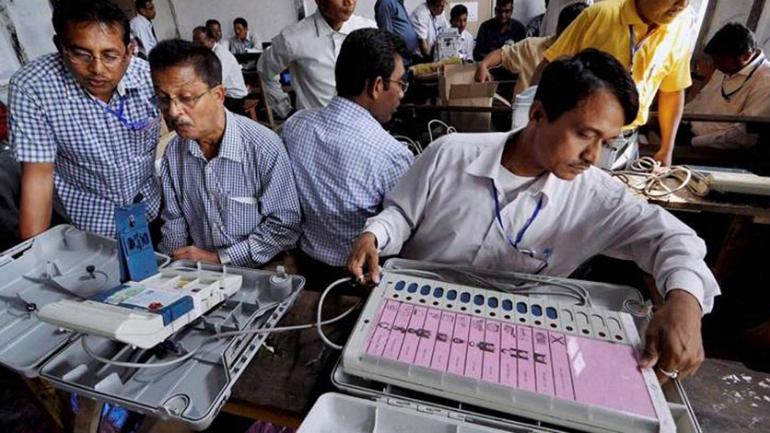
The state election commission is poised to reveal the outcome of crucial elections for Maharashtra’s 29 municipal corporations on Friday. The vote counting is scheduled to commence at 10 am. The polling commenced on 15th January for the state’s 2,869 seats in 893 wards.
Generally, the major components of the vote counting process are quite linear in nature. The ballot boxes are opened first, and the number of ballots is cross-checked against the voter’s list. The ballots are sorted and then thoroughly counted without any room for error. Finally, the results are transmitted to the local office or the headquarters of the electoral management body.
Following the end of the voting process, the ballot boxes are stored at the voting station for vote counting. The following procedures are executed:
- The number of unused or spoiled ballots are tallied. (Spoiled ballots are those that a voter has inadvertently spoiled by marking it incorrectly, and then exchanged for a new blank ballot, or ballots that are improperly printed, torn, soiled, or otherwise marked in a way that could be linked to an individual voter and does not guarantee vote secrecy)
- The total number of people who voted according to the voter’s list are determined.
- The ballot box is unsealed and counting commences.
- The number of ballots in the box is checked against the number of voters, according to the voters’ list or other record of the total number of voters who cast ballots.
- The ballots are sorted by candidate or party.
- The ballots are counted.
- Finally, the challenged ballots are set aside and the acceptance or rejection of the challenged ballots according to established rules is determined.
As the counting ends, there is no interruption in the process until the voting station’s statement of the vote is released and sent to the local office of the electoral management body. The statement of the vote, or the results sheet, is compiled, signed, and transmitted to a local office for secure storage before being sent to the regional or national level. Representatives of political parties and national electoral observers can copy the results.
Interim results are also sent to the national level and publicized. Special measures and procedures need to be followed during the entire counting process in case results are challenged.