
By Tasneem Bandukwala
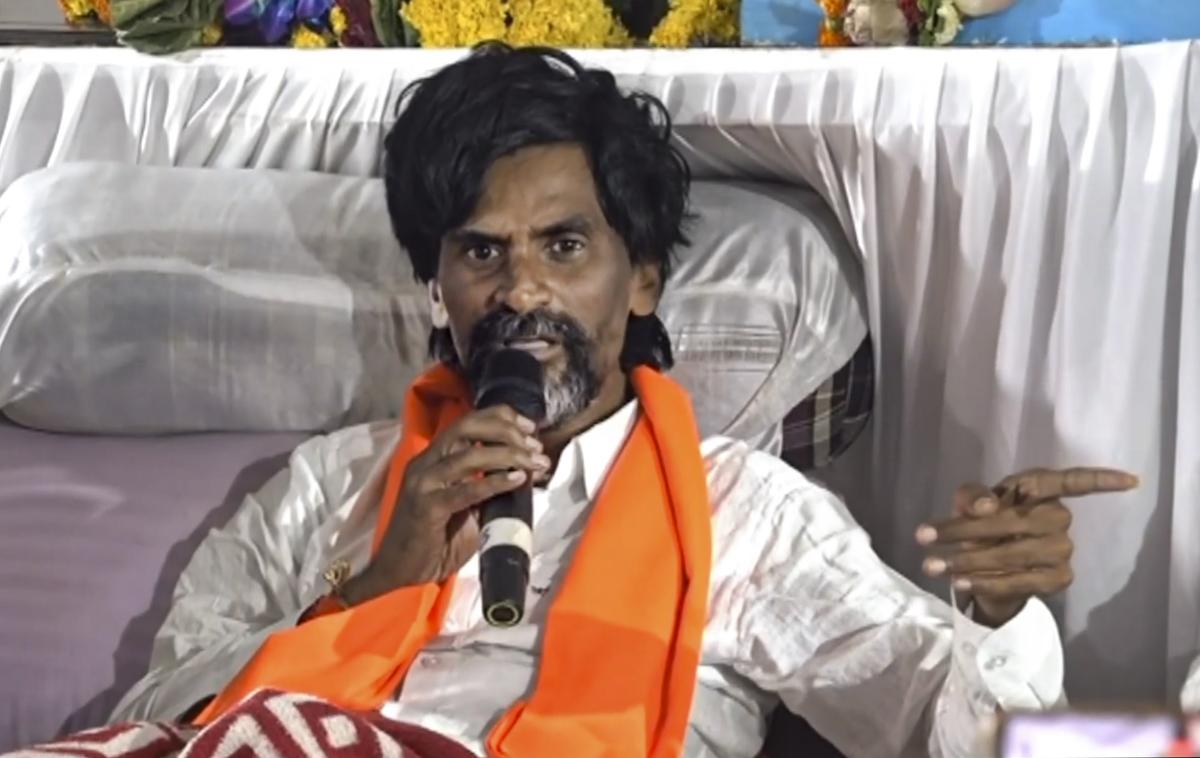
The Maratha quota agitation in Mumbai entered a critical stage on Tuesday after activist Manoj Jarange-Patil defiantly rejected eviction orders from both the Bombay High Court and Mumbai Police, insisting he will continue his protest at Azad Maidan.
The Bombay High Court earlier directed Jarange-Patil and his supporters to vacate the protest site by 3 pm, warning of legal consequences if they did not comply. After the directive, Mumbai Police gave a notice to the activist, advising him to end the protest due to repeated breaches of the defined conditions.
Jarange-Patil, however, stood firm. “Even if I die, I will not rise from this ground,” he declared, continuing his hunger strike launched on August 29. He has ordered a 10 percent reservation for the Maratha community under the Other Backward Classes (OBC) category.
The activist also issued a stern warning to authorities against using force. “If you arrest us, it will be dangerous. Using a lathi charge may worsen tensions and increase the risk of violence. More Marathas will arrive in Mumbai over the weekend,” he said, hinting at a possible escalation of the movement.
Police officials maintained that the protest was allowed only under specific conditions, which Jarange-Patil’s group had violated. His aides, however, claimed that they had not yet received a formal notice.
The standoff has intensified political strains in Maharashtra, where Maratha quota demand has historically sparked unrest. With thousands of protestors expected to join the protest, the government faces the challenge of balancing court directives, law and order, and rising public sentiment.
As the deadline passes, all eyes remain on Azad Maidan to see whether the demonstration will be dispersed peacefully or spiral into a larger confrontation.