
By Smritika Banerjee
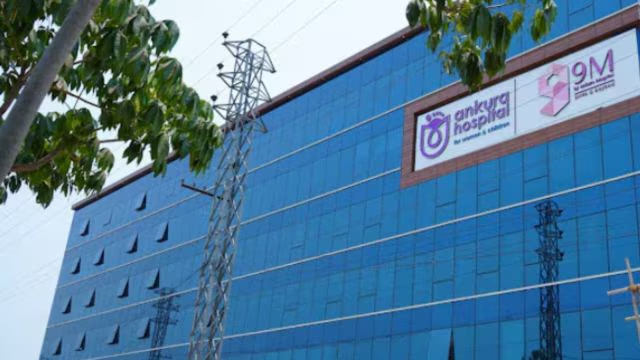
A two-year-old boy from Pune was saved by a specialist medical team after accidentally consuming acetic acid. The toddler, who mistook the corrosive chemical for water, faced very critical internal injuries before the Paediatric Intensive Care Unit successfully saved the child’s life in Ankur hospital, Pune.
A container of acetic acid, a concentrated chemical often used in industrial processes or heavy-duty cleaning, was found by the child and he consumed a significant amount of it. He was immediately rushed to the emergency room after his parents noticed his distress as he began vomiting and struggling to breathe.
Medical examinations revealed that the child was in a very critical condition, as he had severe corrosive burns to his oesophagus and stomach lining. As per the treating physicians, the acidity of the substance had caused immediate damage to the delicate tissues of the gastrointestinal tract, posing a high risk of perforation and long-term scarring.
The PICU team acted swiftly, placing the toddler on a specialised treatment protocol to stabilise his vitals and manage the intense internal inflammation. “The first 48 hours were crucial,” said one of the lead specialists. He added saying “ In the cases of chemical ingestion, the primary goal is to prevent further tissue death and ensure the airway remains clear.”
The process of recovery involved a combination of intravenous medications to reduce acid production and antibiotics to prevent secondary infections, and a carefully monitored liquid diet was administered once the child was stable. After several days of intensive care and observation, the boy showed a remarkable recovery, eventually regaining the ability to swallow without pain.
Using this incident, doctors issued a public advisory to parents. They emphasised that corrosive substances, including floor cleaners, bleaches, and industrial acids, should be stored in locked cabinets or on high shelves, making it hard to reach for inquisitive children.