
By Rohini Sridharan
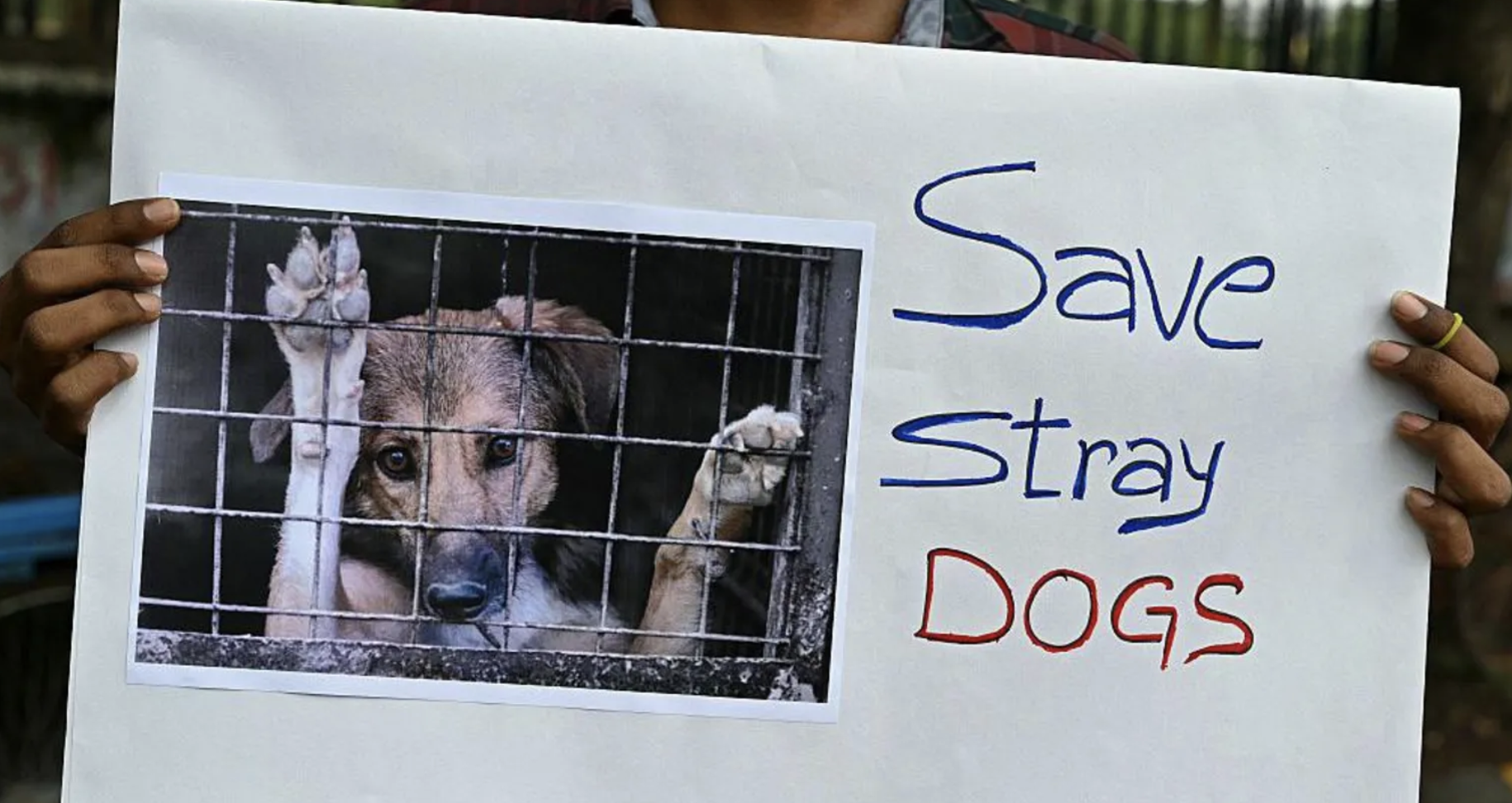
The Supreme Court of India has imposed a proposal that feeding stays on the streets or in public places is illegal. They also directed municipal authorities to create enough feeding zones all around the corporation. The decision comes in response to increasing reports of safety concerns and incidents linked to unregulated feeding in public areas.
A bench comprising Justice Vikram Nath, Sandeep Mehta and NV Anjaria delivered the order while revising an earlier judgement from August 11, which had called for the relocation of all stray dogs in Delhi-NCR region to shelters. The updating ruling clarifies that stray dogs picked up by municipal bodies must be returned to their original locations after being sterilized and vaccinated -unless they are found to be rabid, suspected of rabies, or show aggressive behaviour.
Emphasizing the importance of both public safety and animal welfare, the Court stated that feeding strays should not be an inconvenience or endanger to pedestrians and residents. To address this, the Court ordered local authorities to immediately begin identifying and setting up dedicated feeding areas based on the population of stray dogs in each ward. These zones must be clearly marked with notice boards, and feeding should take place only within them.
It was made clear in the court that if anyone was found feeding strays outside the feeding arena will face strict legal repercussions under already existing laws. This move is aimed at preventing accidents or conflicts arising from the presence of stray dogs in crowded or sensitive areas, while still ensuring that the animals are cared for in a regulated environment.
The judgment seeks to create a structured approach to managing stray dogs – balancing compassion for animals with the need to maintain order and safety in public spaces. The court’s directive marks a shift towards more responsible feeding practices and calls on local authorities to act promptly in implementing the new rules.